Trees bring undeniable value to New York City properties. They provide shade during humid summers, reduce street noise, improve air quality, and elevate curb appeal. Brownstones lined with mature maples or townhomes framed by ornamental trees instantly look more refined and inviting.
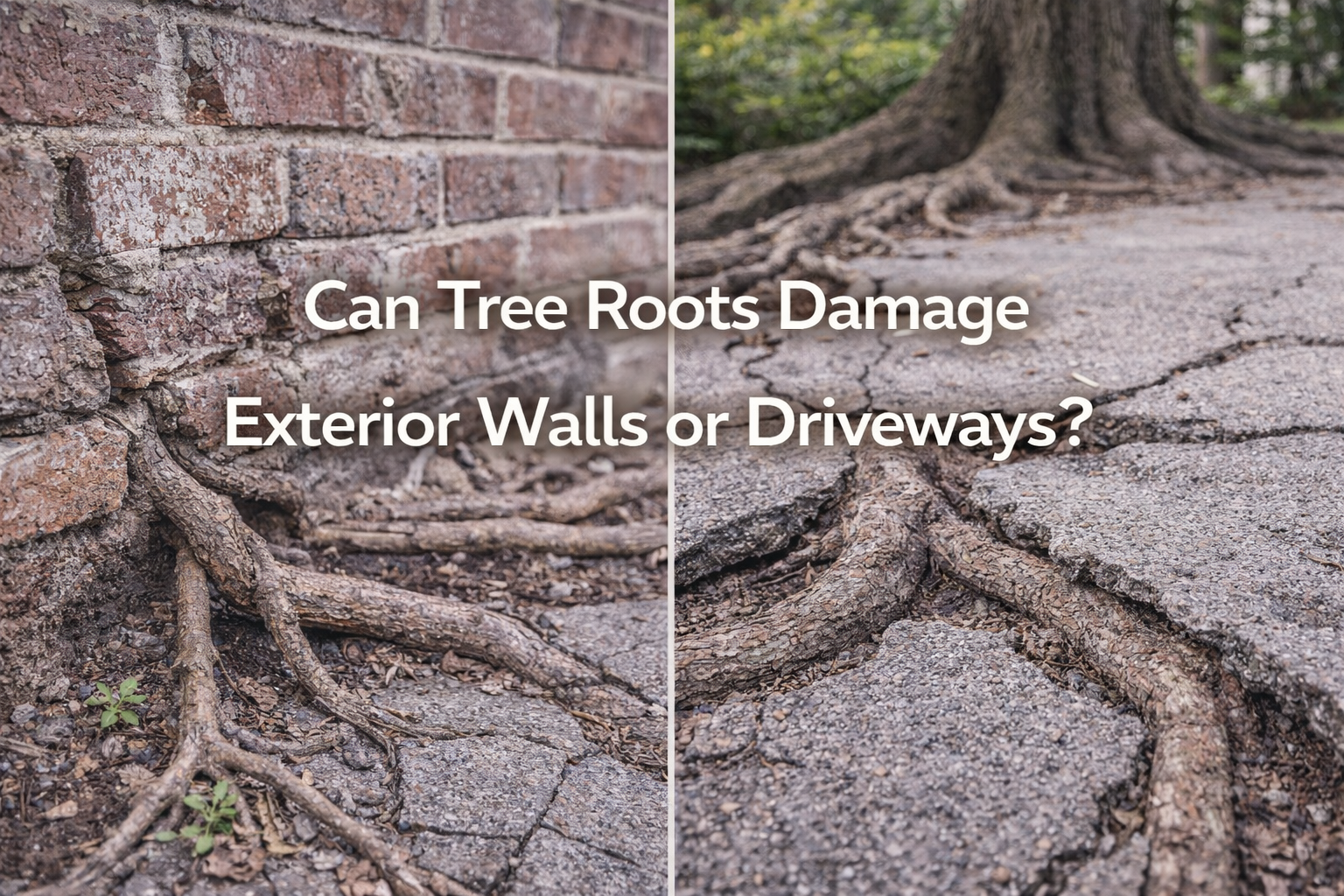
But beneath that beauty, a powerful force is at work. Tree roots expand quietly underground, searching for water and oxygen. Over time, those roots can push, crack, and displace hard surfaces such as driveways, sidewalks, patios, and even exterior walls.
If you own property in NYC, especially in densely built neighborhoods like Brooklyn or Queens, you need to understand how tree roots interact with foundations and hardscapes. The combination of tight urban lots, aging infrastructure, and variable soil conditions makes exterior damage more common than many homeowners realize.
This comprehensive guide explains how tree roots affect exterior structures, what warning signs to watch for, and how to protect your investment without sacrificing your landscape.
How Tree Roots Actually Grow Beneath Urban Surfaces
Many people assume roots grow straight down. In reality, most structural roots spread horizontally within the top 12 to 24 inches of soil. They extend outward far beyond the tree canopy, sometimes reaching two to three times the width of the tree crown.
In urban environments, roots encounter:
- Compacted soil
- Buried utility lines
- Masonry foundations
- Concrete slabs
- Paver systems
- Old drainage systems
Roots naturally grow toward moisture. If water collects near a foundation, under a driveway, or along a sewer line, roots move toward it. As they thicken over time, they exert pressure against anything in their path.
NYC’s freeze and thaw cycles amplify this pressure. When winter moisture freezes in soil, it expands. When spring arrives, thawing creates shifting voids. Roots then exploit those gaps, increasing movement beneath hard surfaces.
Can Tree Roots Damage Driveways?
Yes, and it happens more often than most homeowners expect.
1. Lifting and Uneven Surfaces
As roots grow in diameter, they push upward against concrete slabs, asphalt, and paver bases. This causes:
- Raised sections
- Uneven surfaces
- Tripping hazards
- Gaps between pavers
Concrete slabs are particularly vulnerable because they lack flexibility. Once lifted, cracks often follow.
2. Cracking and Surface Fractures
Even small roots can create pressure points beneath driveways. Over time, repeated seasonal expansion and contraction weakens the material. You may see:
- Hairline cracks that widen annually
- Spiderweb cracking patterns
- Sections separating at joints
In Brooklyn neighborhoods with older concrete driveways, root pressure often accelerates surface deterioration.
3. Paver Displacement
Interlocking pavers offer more flexibility than poured concrete, but they are not immune. Roots can:
- Push pavers upward
- Shift base layers
- Create uneven settling
Without proper edge restraints and base compaction, pavers may separate as roots expand.
Can Tree Roots Damage Exterior Walls?
Roots rarely “break through” solid foundations directly, but they can contribute to serious structural problems.
1. Foundation Movement
When roots extract moisture from soil near foundations, the soil may shrink. This soil contraction can lead to:
- Foundation settlement
- Exterior wall cracking
- Step cracks in brick or stucco
Conversely, roots that trap moisture near walls can create soil expansion. Both conditions create uneven structural pressure.
2. Masonry Cracks in Brownstones and Townhomes
In older NYC properties, brick and stone facades may already have small cracks. Shifting soil caused by aggressive roots can widen those cracks over time.
Signs include:
- Vertical or diagonal cracking
- Separation at mortar joints
- Bulging brick sections
While roots may not directly penetrate brick, they can destabilize the soil supporting the structure.
3. Basement Wall Pressure
In some cases, large roots grow adjacent to basement walls. When combined with hydrostatic pressure from saturated soil, the result can be:
- Interior wall dampness
- Bowing foundation walls
- Water intrusion
This risk increases when trees grow very close to exterior walls.
NYC Conditions That Increase the Risk
New York City presents unique environmental factors that intensify root related damage.
Tight Property Lines
Urban lots often leave little space between trees and structures. Roots have fewer open soil areas to expand into, so they push toward paved surfaces and foundations.
Aging Infrastructure
Older sewer lines and drainage systems frequently leak small amounts of water. Roots detect that moisture and grow toward it, sometimes infiltrating pipes.
Freeze and Thaw Cycles
Winter freeze expands soil. Spring thaw loosens it. This repeated movement creates ideal conditions for root expansion beneath slabs and foundations.
Soil Compaction
Heavy foot traffic and construction compress urban soil. Compacted soil limits downward root growth, forcing roots to spread horizontally near surface structures.
Early Warning Signs of Root Related Damage
Spotting early signs helps prevent major repairs.
For Driveways and Hardscapes
- One corner of a slab lifting slightly
- Pavers rocking underfoot
- Gaps forming along edges
- Drainage pooling near raised areas
For Exterior Walls
- New cracks appearing after heavy rain
- Doors and windows sticking
- Gaps between exterior trim and masonry
- Hairline foundation cracks widening each season
Do not ignore subtle shifts. Early intervention often costs far less than full reconstruction.
Trees Most Likely to Cause Structural Damage in NYC
Not all trees pose equal risk. Species with aggressive, shallow root systems create the most problems.
Common culprits include:
- Silver maple
- Norway maple
- Willow
- Poplar
- London plane tree
These trees grow quickly and develop expansive root systems.
Smaller ornamental trees, such as dogwood or Japanese maple, generally pose less risk when planted at appropriate distances.
How Close Is Too Close?
A general rule suggests planting trees at least:
- 10 feet from driveways
- 15 to 20 feet from foundations
- 25 feet from sewer lines
However, mature tree size matters more than trunk size at planting. A small sapling today may become a 40 foot tree in two decades.
Consulting with an arborist before planting large species can prevent long term structural complications.
Can Roots Enter Existing Cracks?
Roots do not typically crack intact concrete. Instead, they exploit existing weaknesses.
If a driveway or wall already has:
- Small fractures
- Unsealed expansion joints
- Gaps in mortar
Roots may grow into those openings in search of moisture. As the root thickens, it widens the crack further.
This process can take years, which is why regular inspection and maintenance are critical.
Repair Options for Root Damage
When damage occurs, solutions vary depending on severity.
Driveway Repairs
- Grinding raised concrete edges
- Replacing affected slabs
- Reinstalling pavers with reinforced base
- Adding root barriers during reconstruction
Foundation and Wall Repairs
- Crack injection for minor fractures
- Masonry repointing
- Soil stabilization
- Installing root barriers
- Underpinning in severe cases
Professional assessment ensures you address both the structural damage and the underlying root issue.
Preventative Strategies That Work
Preventative action saves significant long term costs.
1. Install Root Barriers
Root barriers consist of thick plastic or metal sheets installed vertically in soil. They redirect roots downward and away from structures.
When installed properly, barriers protect foundations and driveways without harming the tree.
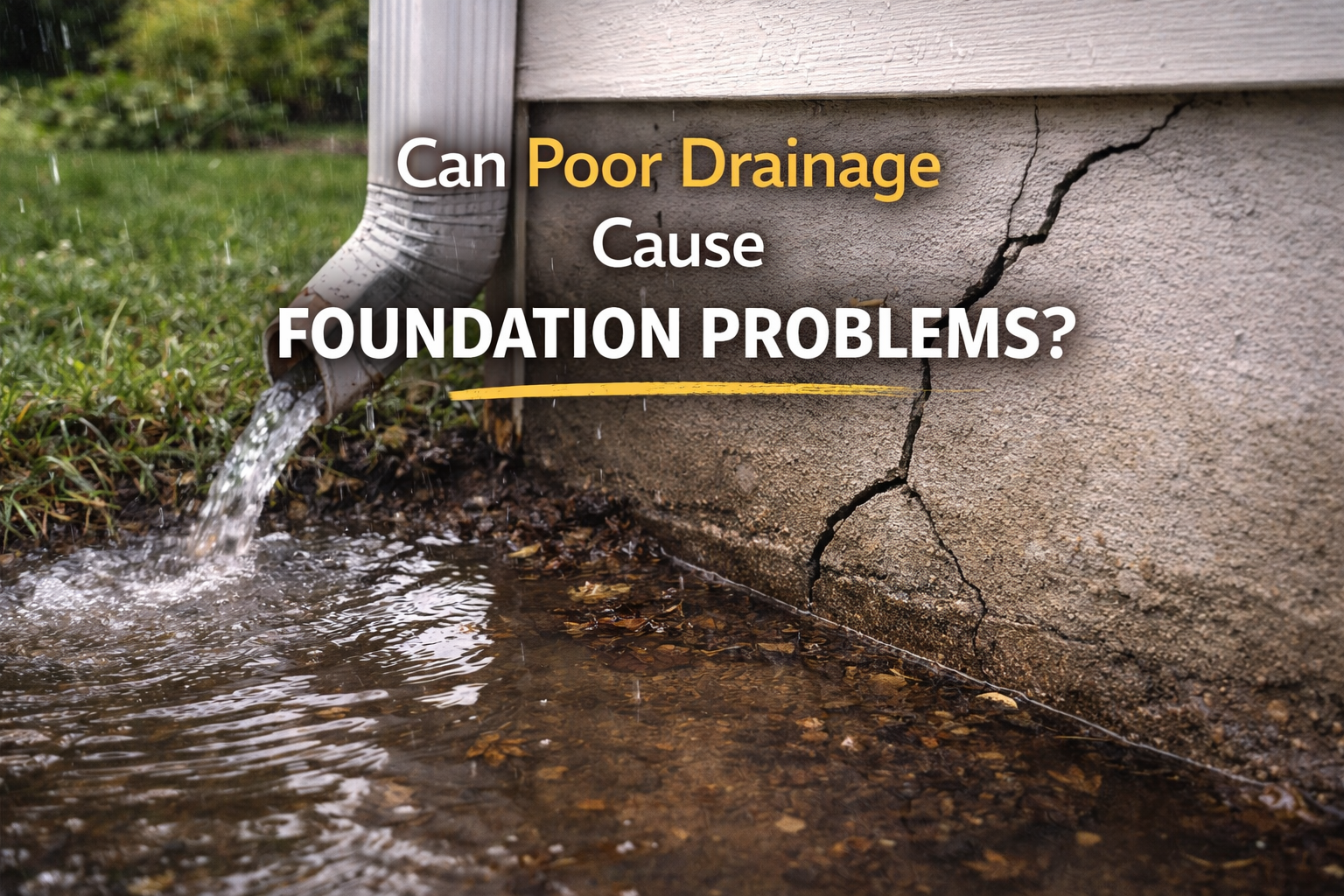
2. Maintain Proper Drainage
Good drainage discourages roots from congregating near structures. Keep gutters, downspouts, and grading systems functioning properly.
Direct water away from foundations.
3. Seal Cracks Early
Fill small driveway cracks and mortar gaps before roots exploit them. Prompt sealing reduces water infiltration and root intrusion.
4. Choose Flexible Hardscape Materials
Interlocking pavers allow easier repair and adjustment compared to poured concrete. In root prone areas, flexible systems offer better long term resilience.
5. Consult an Arborist
Professional pruning and root management can limit aggressive growth without damaging the tree’s health.
The Balance Between Landscape and Structure
Trees add immense value to NYC properties. They:
- Increase curb appeal
- Reduce energy costs through shading
- Improve air quality
- Enhance property value
However, poor planning can create expensive structural damage.
A strategic approach allows homeowners to enjoy mature trees without compromising foundations or hardscapes. Thoughtful placement, proactive inspections, and proper construction techniques make all the difference.
When Removal Becomes Necessary
Tree removal should always be a last resort. However, if a tree:
- Sits extremely close to a foundation
- Has already caused repeated structural damage
- Shows signs of instability
Removal may protect the property from escalating repairs.
Always consult licensed professionals and check NYC regulations before removing large trees.
Final Thoughts: Protecting Your Exterior Investment
Tree roots can damage exterior walls and driveways under the right conditions, especially in dense urban environments like New York City. They rarely act alone. Soil movement, moisture imbalance, aging materials, and freeze thaw cycles combine with root growth to create structural stress.
You can protect your home by monitoring early warning signs, maintaining proper drainage, sealing cracks promptly, and installing protective barriers when needed.
If you notice lifting driveways, widening cracks, or foundation shifts near mature trees, take action early. A professional exterior assessment can identify root related risks before they become major structural problems.
Your home represents one of your largest investments. With the right preventive strategy, you can preserve both your landscaping and your structural integrity for decades to come.
If you suspect tree root damage or want expert guidance on protecting your driveway or exterior walls, contact a trusted NYC exterior specialist today. A thorough inspection now can save you significant repair costs in the future.