Exterior color fading is one of the most misunderstood issues homeowners face in New York City. Many assume fading happens simply because paint is old or low quality. In reality, NYC’s climate accelerates color degradation in ways that few homeowners anticipate. Even premium exterior finishes can lose vibrancy quickly when they are not chosen, applied, or maintained with local environmental conditions in mind.
New York’s unique combination of intense sun exposure, fluctuating temperatures, humidity, pollution, and seasonal extremes creates a hostile environment for exterior colors. Understanding how these forces interact is essential for anyone looking to preserve curb appeal, protect materials, and extend the life of their exterior investment.
This blog explains why exterior colors fade faster in NYC, what environmental factors cause the most damage, and how homeowners can make smarter, longer-lasting decisions.
NYC’s Climate Is Not Neutral: It Is Aggressively Demanding
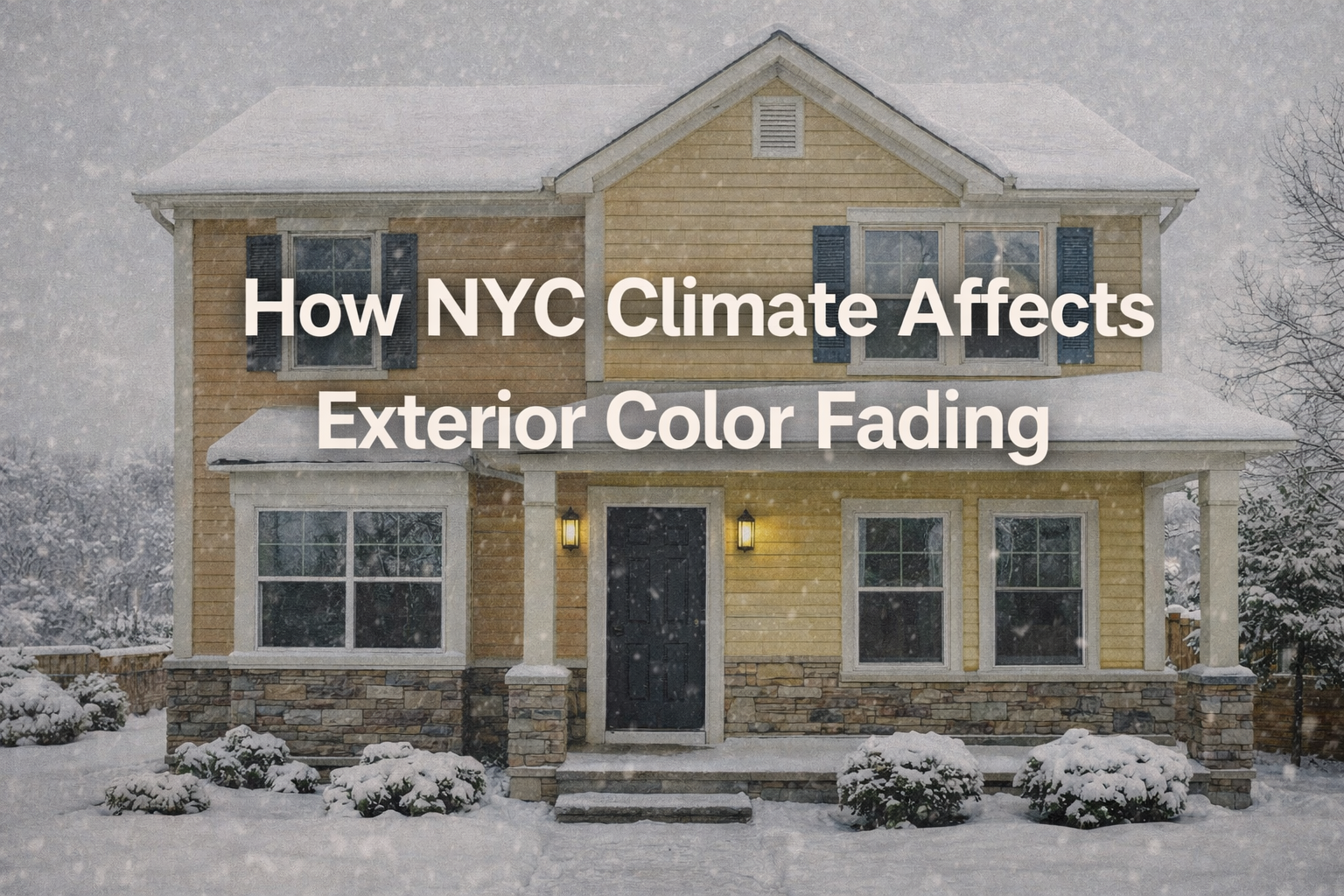
New York City does not have a mild or predictable climate. It experiences sharp seasonal shifts that place continuous stress on exterior surfaces. Summers bring prolonged UV exposure and high humidity. Winters introduce freezing temperatures, snow, ice, and salt. Spring and fall add constant moisture fluctuations.
Unlike regions with consistent climates, NYC exteriors rarely get time to recover. Materials expand, contract, absorb moisture, dry out, and repeat this cycle multiple times each year. These constant changes weaken the chemical bonds that hold pigments together, leading to visible fading far sooner than expected.
Exterior color failure in NYC is rarely caused by one factor. It results from compounding environmental pressure.
Ultraviolet Radiation Is the Primary Driver of Color Loss
Sunlight is the single most aggressive enemy of exterior color. Ultraviolet rays break down pigment molecules at a microscopic level. Once those bonds weaken, color loses depth, richness, and uniformity.
NYC’s tall buildings create reflective environments that intensify UV exposure. Light bounces off glass, metal, and concrete, striking surfaces from multiple angles. South- and west-facing facades receive especially intense radiation, often fading faster than shaded areas on the same building.
Dark and saturated colors absorb more UV energy than lighter tones. This makes them more vulnerable to rapid fading in urban environments. Without UV-resistant coatings, even high-end finishes degrade under prolonged exposure.
Temperature Swings Accelerate Pigment Breakdown
New York’s temperature volatility plays a critical role in color fading. Exterior surfaces can experience dramatic temperature differences within a single day.
During summer, surfaces heat up rapidly under direct sunlight. At night, temperatures drop, causing materials to cool and contract. This expansion-and-contraction cycle creates microfractures in paint films and coatings.
Once those microfractures form, pigments become more exposed to air, moisture, and sunlight. This accelerates oxidation and fading. Over time, colors lose consistency, appearing chalky or uneven.
Winter intensifies this damage. Freezing temperatures harden coatings, making them more brittle and less flexible when temperatures rise again.
Humidity and Moisture Disrupt Color Stability
NYC’s humidity levels remain high for much of the year. Moisture interacts with exterior coatings in ways many homeowners overlook.
Paint and stains are semi-permeable. They allow limited moisture transfer. When humidity levels fluctuate, coatings absorb and release moisture repeatedly. This movement weakens the bond between pigment and binder.
Moisture also triggers chemical reactions that alter color composition. In some cases, it causes staining, discoloration, or blotchy fading patterns rather than uniform wear.
Areas with poor ventilation or persistent shade retain moisture longer, which explains why fading and discoloration often appear uneven across facades.
Air Pollution and Urban Grime Act as Silent Accelerators
New York City’s air quality directly impacts exterior color longevity. Pollution particles settle on surfaces and embed themselves into paint films.
These particles absorb heat and increase surface temperatures, intensifying UV damage. They also create abrasive layers that slowly erode protective coatings.
Acidic pollutants react with moisture in the air, forming compounds that degrade paint chemistry. Over time, this chemical exposure dulls colors and weakens surface protection.
Without regular cleaning, polluted surfaces fade faster and appear dirtier even when the color itself has not fully degraded.
Winter Salt Exposure Causes Chemical Discoloration
During winter, de-icing salts become a major threat to exterior finishes. Salt residue travels through air and splashes back from sidewalks and streets.
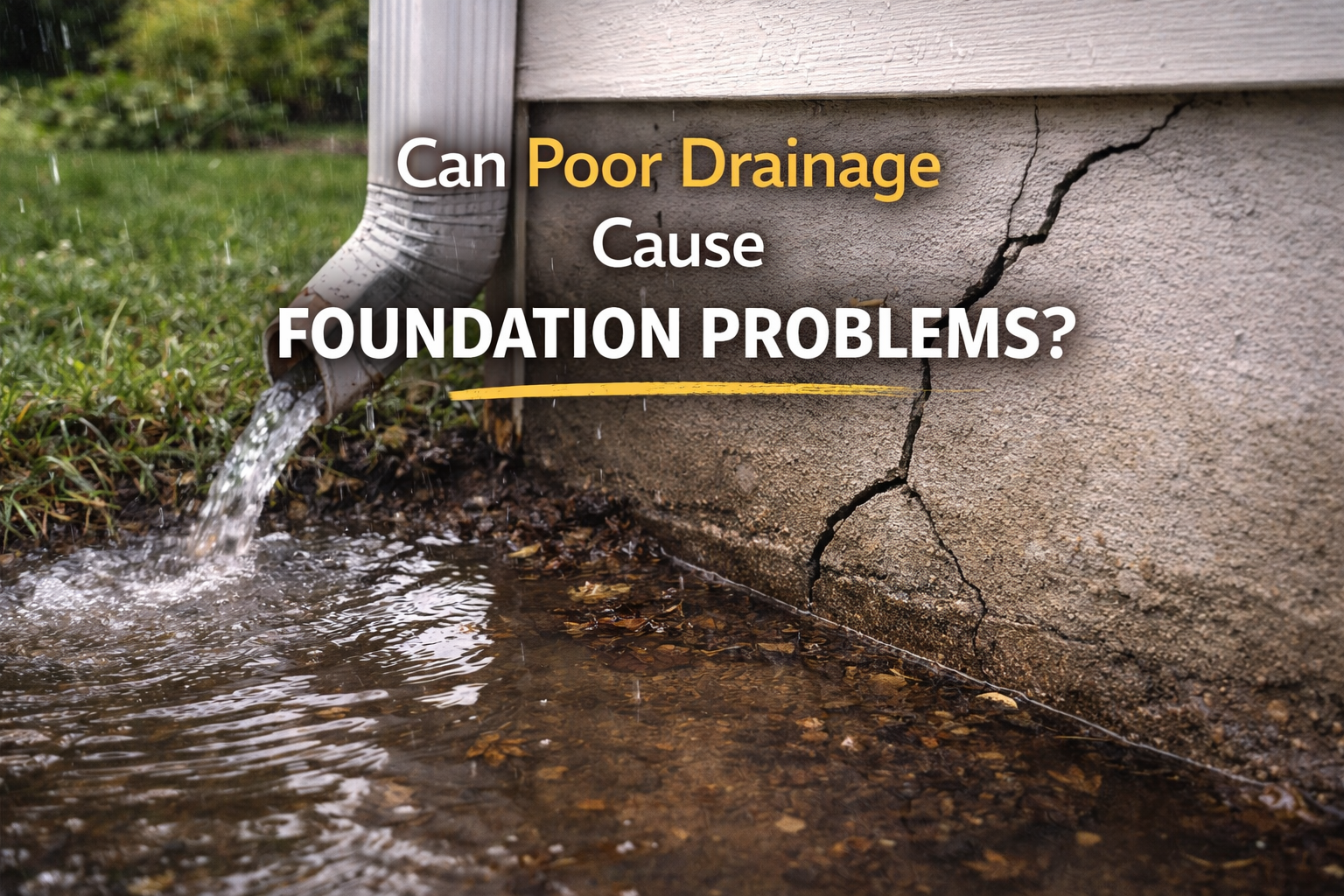
When salt settles on exterior walls, steps, or foundations, it draws moisture into the surface. As water evaporates, salt crystals expand, creating pressure within coatings.
This process damages the paint film and causes localized fading, staining, or peeling. Light-colored surfaces often show discoloration first, while darker colors lose uniformity.
Salt damage is especially common on lower levels of buildings, entryways, and areas near roadways.
Material Type Influences How Colors Fade
Not all surfaces respond to NYC’s climate in the same way. Material composition plays a major role in color retention.
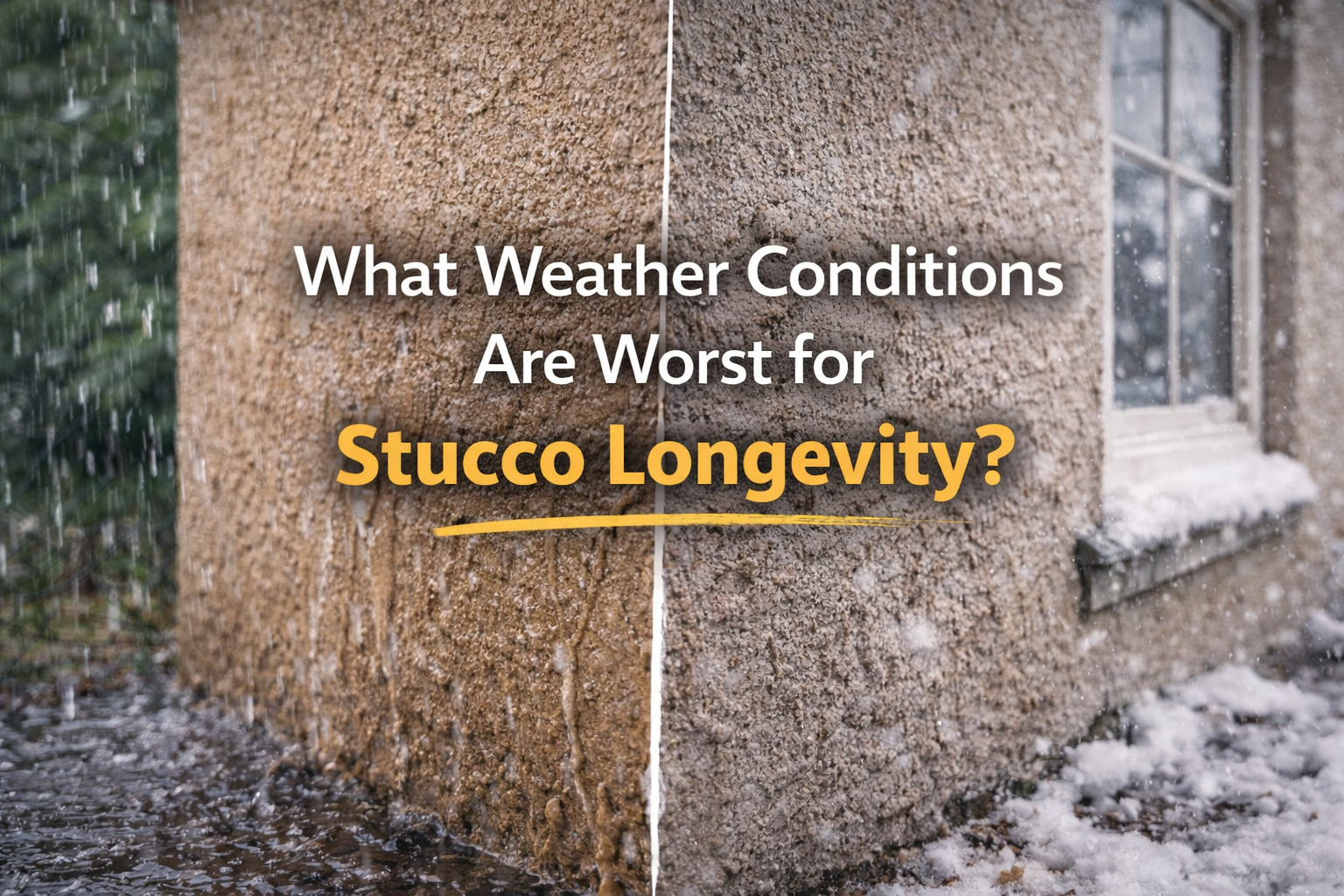
Porous materials such as brick, stucco, and concrete absorb moisture and pollutants more readily. This increases the risk if coatings are not breathable and compatible.
Wood expands and contracts significantly with humidity changes. Without flexible finishes, colors fade unevenly and require frequent maintenance.
Metal surfaces heat quickly under sunlight, accelerating pigment breakdown unless protected by specialized coatings.
Choosing the wrong paint or finish for a specific material amplifies climate-related damage.
Color Choice Determines Longevity More Than Most Homeowners Expect
Some colors are inherently more stable than others. Earth tones, lighter shades, and neutral colors tend to fade more slowly because they reflect sunlight rather than absorb it.
Bright reds, deep blues, and dark grays contain pigments that are more sensitive to UV degradation. In NYC’s climate, these colors require advanced formulations to maintain appearance.
Gloss level also matters. Flat finishes fade faster because they expose more pigment to environmental stress. Satin and semi-gloss finishes offer better resistance by reflecting light and sealing pigment more effectively.
Color choice should balance aesthetic preference with environmental reality.
Paint Quality Alone Is Not Enough
Many homeowners assume premium paint automatically prevents fading. While quality matters, it does not override environmental forces.
High-quality exterior paints use better binders, UV inhibitors, and pigments. However, without proper surface preparation, application technique, and maintenance, even the best products fail prematurely.
NYC conditions demand coatings specifically designed for urban and coastal climates. Generic exterior paints often lack the durability required for long-term performance in the city.
Longevity depends on the entire system, not just the product label.
Application Timing Impacts Color Performance
When paint is applied matters as much as what paint is used. NYC’s weather window for exterior work is narrow.
Painting during high humidity prevents proper curing, trapping moisture inside the coating. Painting during extreme heat causes rapid drying, weakening adhesion.
Poor curing leads to early fading, chalking, and uneven color retention. Optimal application conditions allow coatings to bond fully and resist environmental stress.
Rushed timelines often lead to visible color failure within a few seasons.
Maintenance Determines How Fast Fading Becomes Visible
Color fading does not happen overnight. It becomes noticeable when dirt, oxidation, and wear accumulate.
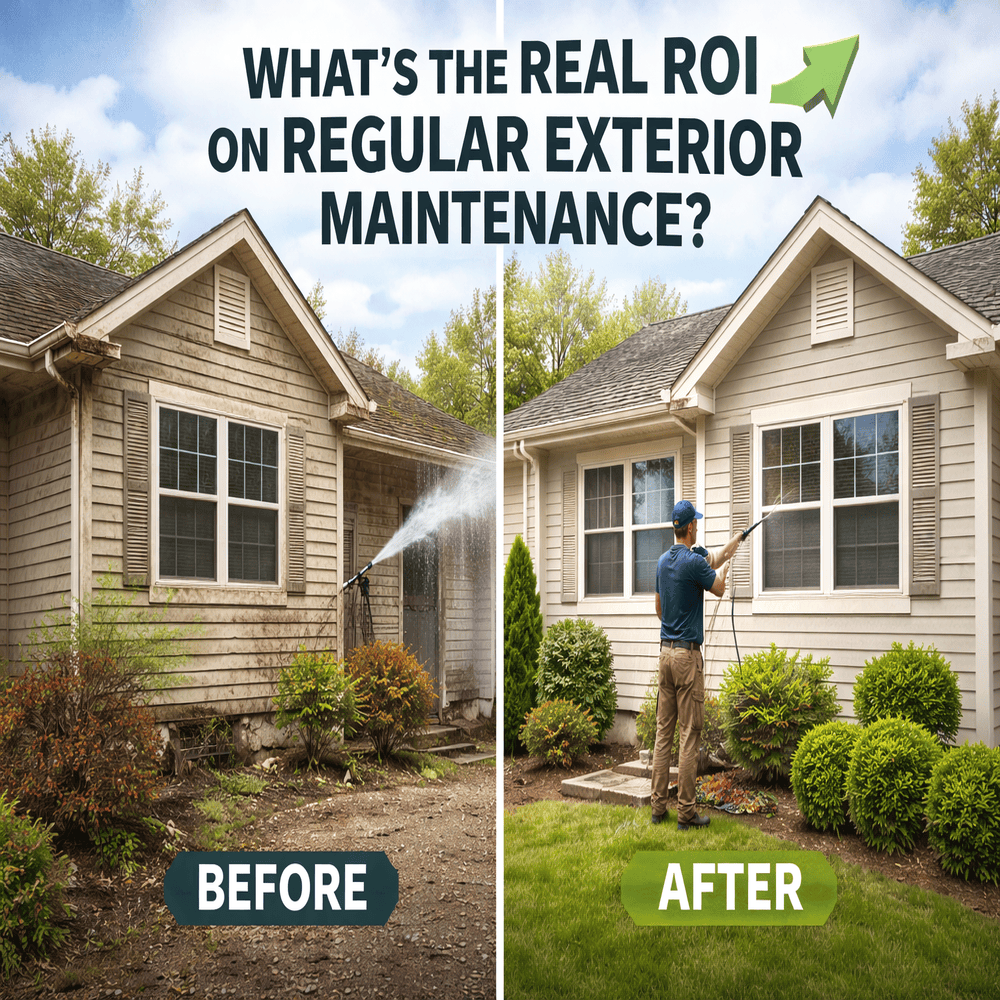
Regular cleaning removes pollutants that accelerate degradation. Periodic inspections catch early signs of failure before widespread fading occurs.
Neglected exteriors fade unevenly, making the entire surface look older than it is. Maintained exteriors retain color depth and consistency much longer.
Maintenance is not cosmetic. It is protective.
NYC Orientation and Building Density Create Uneven Fading
Buildings in New York rarely receive uniform exposure. One side may face constant sunlight, while another remains shaded.
This causes uneven fading that becomes visually disruptive over time. Without planning, homeowners end up with mismatched tones on the same structure.
Strategic color selection and coating systems help balance exposure differences and maintain a cohesive appearance.
Understanding orientation allows smarter decisions before fading becomes visible.
Long-Term Exterior Color Success Requires Local Strategy
Exterior color longevity in NYC is not about avoiding fading entirely. It is about slowing the process intelligently.
Homeowners who understand climate impact make better decisions at every stage. They choose appropriate colors, materials, coatings, and maintenance schedules.
A climate-aware approach protects both appearance and structural integrity. It prevents premature repainting and preserves property value.
Exterior color is not just decoration. It is a protective system interacting with a demanding environment.
Conclusion
NYC’s climate is one of the toughest environments for exterior color retention. UV radiation, temperature swings, humidity, pollution, and winter salt all contribute to accelerated fading.
When homeowners ignore these factors, colors fail quickly and unevenly. When they plan with climate in mind, exteriors maintain vibrancy, protection, and value for years.
Understanding how NYC’s environment affects exterior color fading empowers smarter renovation decisions. It transforms exterior finishes from short-term aesthetics into long-term investments.
In a city that never rests, exterior surfaces must work harder. Choosing wisely ensures they endure.