Homeowners often treat exterior maintenance as an expense. They see pressure washing, repainting, sealing, masonry repair, and facade upkeep as routine costs that preserve appearance but do little else. That assumption leaves money on the table.
Regular exterior maintenance does not simply maintain aesthetics. It protects structural systems, stabilizes property value, reduces long-term capital expenses, improves energy performance, and strengthens resale positioning in competitive real estate markets like New York City.
Return on investment (ROI) from exterior maintenance rarely shows up in a single line item. It compounds over time. When property owners understand how that compounding works, they stop delaying maintenance and start treating it as a strategic asset.
This article breaks down the real ROI behind consistent exterior care and explains how proactive maintenance protects both short-term cash flow and long-term equity.
Deferred Maintenance Always Costs More Than Preventive Care
Small exterior issues rarely stay small. Minor cracks in masonry allow water intrusion. Water intrusion freezes in winter. Freeze-thaw cycles expand damage. That damage spreads behind walls, beneath surfaces, and inside structural components.
A simple reseal that costs hundreds can prevent a structural repair that costs thousands. A timely repaint can prevent wood rot that demands full replacement. Routine washing can stop pollutants from etching surfaces permanently.
Every year that maintenance gets delayed, repair costs rise exponentially. Contractors regularly see projects where a neglected facade that required $3,000 in preventive work turns into a $30,000 restoration.
Preventative maintenance stabilizes expenses. Deferred maintenance multiplies them.
Property Value Reflects Exterior Condition Instantly
Buyers form opinions within seconds of seeing a property. Exterior condition sets the perceived value ceiling before anyone walks inside.
Real estate data consistently shows that strong curb appeal increases perceived home value by 5% to 11% depending on market conditions. In high-demand urban markets like NYC, exterior presentation often influences competitive offers.
When buyers see peeling paint, cracked masonry, stained siding, or neglected trim, they assume deeper problems exist. That perception lowers offer prices and strengthens negotiation leverage against the seller.
Well-maintained exteriors communicate care, reduce perceived risk, and protect listing value. Even homeowners who are not planning to sell immediately benefit from maintaining resale readiness.
Equity does not grow in isolation. Presentation affects it.
Exterior Maintenance Protects Structural Integrity
Exterior systems function as the first line of defense against moisture, temperature fluctuations, and environmental pollutants. When these systems fail, structural deterioration accelerates.
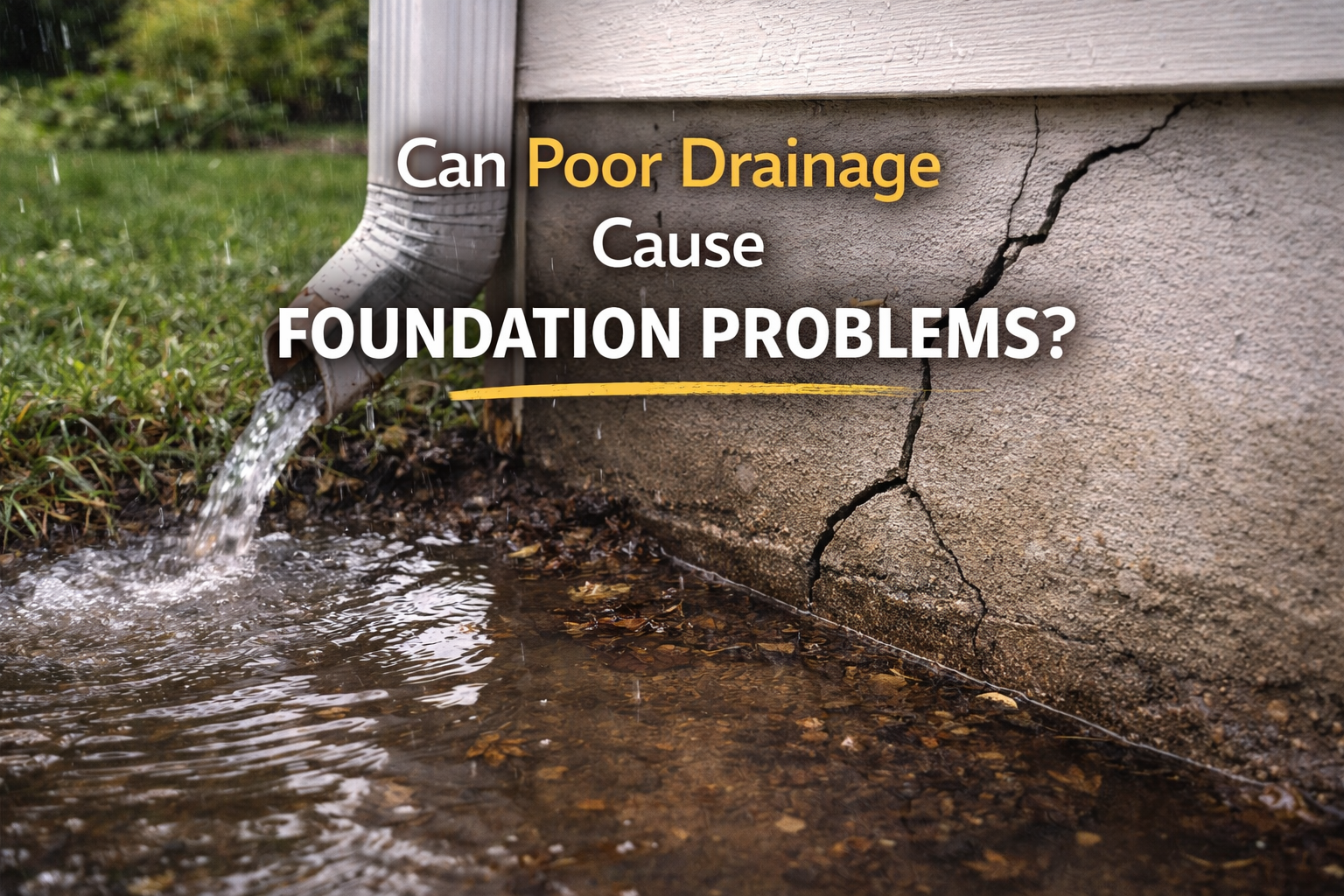
Unsealed joints allow water to penetrate framing. Compromised paint films expose wood to rot. Cracked stucco channels moisture into underlying layers. Failing caulk invites mold growth and insulation damage.
These issues rarely show visible interior signs until significant damage occurs. By the time homeowners notice stains or drafts, structural repairs may already be necessary.
Routine inspections and maintenance preserve the building envelope. A preserved envelope extends the lifespan of framing, insulation, drywall, and interior finishes.
Structural preservation delivers one of the highest hidden ROIs in homeownership.
Energy Efficiency Improves When the Exterior Performs Properly
Many homeowners overlook the connection between exterior condition and energy costs. The building envelope controls air leakage, thermal transfer, and moisture control.
Cracked sealants and deteriorated siding create air gaps. Air gaps increase heating and cooling loads. HVAC systems work harder. Utility bills rise.
Repainting, resealing, and repairing surfaces strengthens thermal performance. Reflective coatings reduce solar heat gain. Properly maintained surfaces prevent insulation saturation.
Over time, improved envelope performance reduces monthly utility expenses. Those savings accumulate year after year.
Lower operating costs increase net property performance and improve long-term ROI.
NYC’s Climate Accelerates Wear and Increases Financial Risk
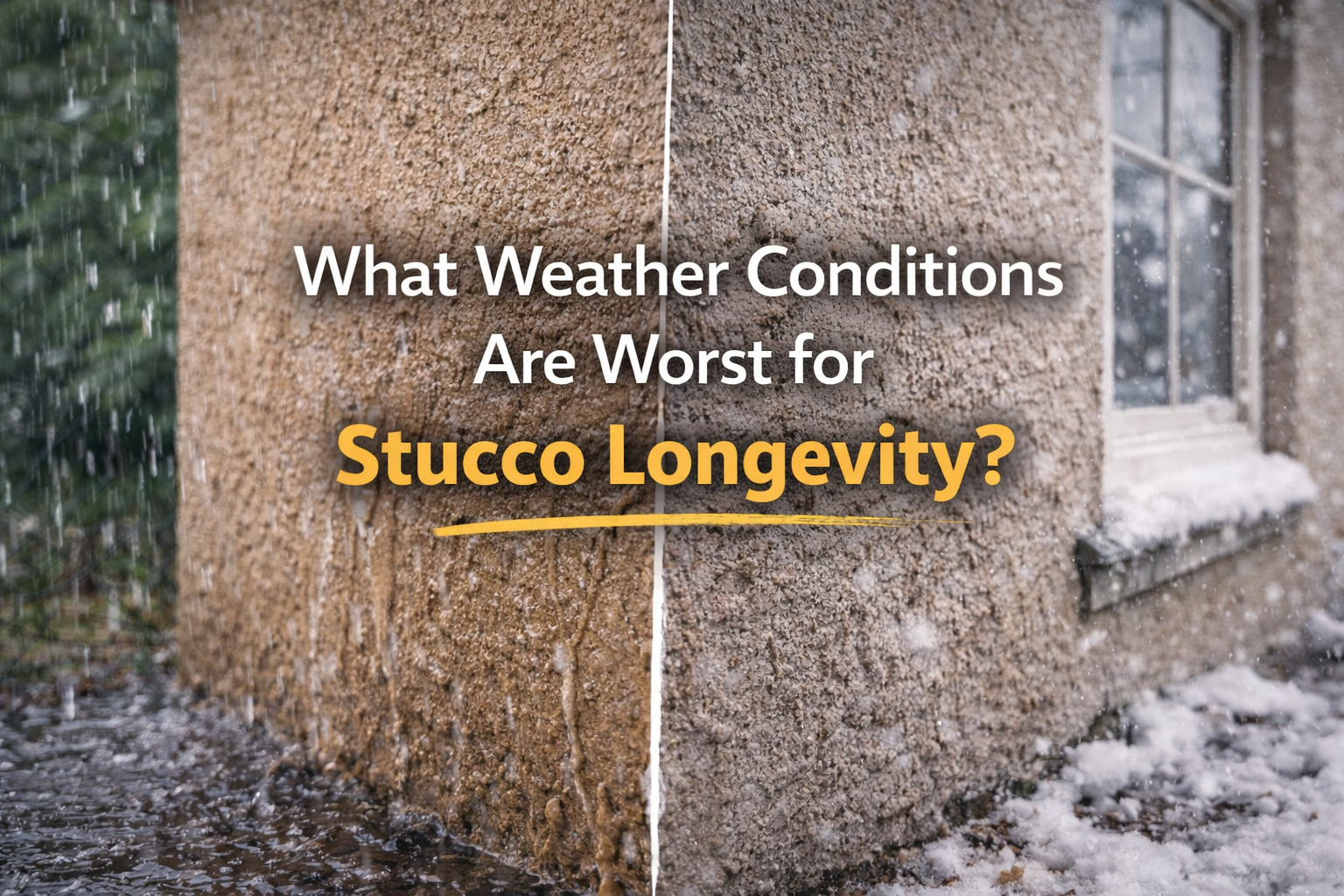
New York City presents one of the harshest climates for exterior surfaces. Summer heat intensifies UV degradation. Humidity encourages mold and mildew growth. Winter freeze-thaw cycles crack masonry. Road salt accelerates corrosion and staining.
Without consistent maintenance, deterioration compounds quickly. What may last 15 years in a milder region may require intervention in 8 to 10 years in NYC.
Routine pressure washing removes corrosive pollutants. Sealing masonry blocks salt intrusion. Timely repainting shields surfaces from UV breakdown.
In this climate, maintenance is not cosmetic. It is risk mitigation.
Insurance and Liability Exposure Increase With Neglect
Exterior neglect creates liability concerns. Loose masonry, deteriorating steps, failing railings, and unstable facade components pose safety hazards.
Insurance providers may deny claims if documented maintenance neglect contributed to damage. In multi-family or commercial properties, facade failure can expose owners to legal risk.
Routine inspections and documented maintenance demonstrate responsible ownership. That documentation protects owners during disputes or claims.
Financial ROI includes reduced liability exposure. Preventative care limits legal and insurance complications.
Rental Properties Generate Higher Returns With Strong Exteriors
Landlords benefit directly from consistent exterior maintenance. Tenants associate exterior condition with overall property quality. Clean, well-maintained buildings attract stronger applicants and justify higher rents.
Properties that show visible neglect experience longer vacancy periods and higher turnover. Turnover increases marketing expenses, leasing costs, and lost rental income.
Routine exterior upkeep protects brand perception and tenant satisfaction. Strong exterior presentation reduces churn and stabilizes income.
For investment properties, maintenance is not optional. It directly influences cash flow performance.
Maintenance Extends Major Capital Replacement Cycles
Every exterior component has a lifecycle. Paint systems, siding, roofing, trim, masonry, and sealants all degrade over time.
Consistent maintenance extends those lifecycles significantly. Repainting at the correct interval prevents substrate damage. Sealing masonry reduces freeze-thaw impact. Cleaning removes corrosive buildup.
Extending a paint system from 7 years to 12 years dramatically reduces lifetime ownership costs. Extending siding replacement timelines by even 5 years preserves capital.
Capital expenditure delays improve financial flexibility and long-term ROI.
Curb Appeal Strengthens Appraisal Outcomes
Appraisers evaluate exterior conditions during valuation assessments. Visible deterioration can influence final appraised value.
For homeowners refinancing or leveraging equity, appraisal differences matter. A well-maintained exterior supports stronger valuation metrics.
Small investments in exterior touch-ups before refinancing can produce disproportionately strong returns by protecting valuation benchmarks.
Exterior condition influences lending power.
Maintenance Protects Against Compounded Damage During Extreme Weather
Climate events are becoming more severe. Heavy rainstorms, wind events, and snow accumulation place intense stress on building exteriors.
When surfaces are already compromised, extreme weather accelerates failure. When surfaces are sealed, painted, and structurally sound, they withstand stress more effectively.
Preventative maintenance increases resilience. Resilience reduces emergency repair costs.
Emergency repairs typically cost more than planned maintenance because they require immediate labor, expedited materials, and sometimes interior remediation.
Planning produces savings. Reacting produces expense.
Regular Cleaning Preserves Material Appearance and Longevity
Pollution, grime, algae, and organic buildup do more than discolor surfaces. They trap moisture and accelerate material breakdown.
Routine washing removes contaminants before they etch or stain permanently. Clean surfaces reflect light more evenly and maintain a consistent color tone.
Maintaining appearance extends perceived material life. It also reduces the frequency of major restorative treatments.
Simple maintenance tasks often deliver strong aesthetic and financial returns.
Predictable Maintenance Budgets Improve Financial Planning
Unpredictable repair costs destabilize household finances. Emergency masonry repairs or sudden repainting projects disrupt savings plans.
Routine maintenance schedules create predictable budgeting. Annual inspections, cleaning cycles, and minor repairs spread costs evenly over time.
Predictability reduces financial strain and supports long-term property strategy.
Homeownership becomes more manageable when maintenance remains proactive rather than reactive.
The Compound Effect Defines Real ROI
Exterior maintenance rarely delivers a single dramatic payout. Instead, it produces layered returns:
- Reduced repair costs
- Extended material lifespans
- Higher resale value
- Improved rental performance
- Lower energy expenses
- Stronger appraisal outcomes
- Reduced liability risk
Each layer builds on the previous one. Over a decade, these combined effects can preserve tens of thousands of dollars in avoided repairs and enhanced equity.
The ROI becomes clear when viewed across a property’s full ownership timeline.
Maintenance Builds Market Advantage in Competitive Neighborhoods
In dense urban environments, properties compete visually. On blocks where multiple homes list simultaneously, exterior condition separates top-tier listings from average ones.
Homes that look freshly maintained command attention. They photograph better, attract more showings, and generate stronger early offers.
Competitive advantage increases final sale price potential.
Regular maintenance ensures readiness for opportunity.
Short-Term Thinking Undermines Long-Term Equity
Many homeowners delay maintenance to avoid short-term spending. That mindset ignores the exponential nature of deterioration.
Exterior systems do not pause while owners hesitate. Sun exposure, moisture infiltration, and temperature changes continue daily.
Protecting equity requires discipline. The earlier issues are addressed, the lower the cost and the higher the cumulative return.
Exterior maintenance is not an expense category. It is asset protection.
The Real ROI Is Measured Over Decades, Not Months
Evaluating maintenance ROI over a single year underestimates its impact. The true financial return emerges over 10, 15, or 20 years.
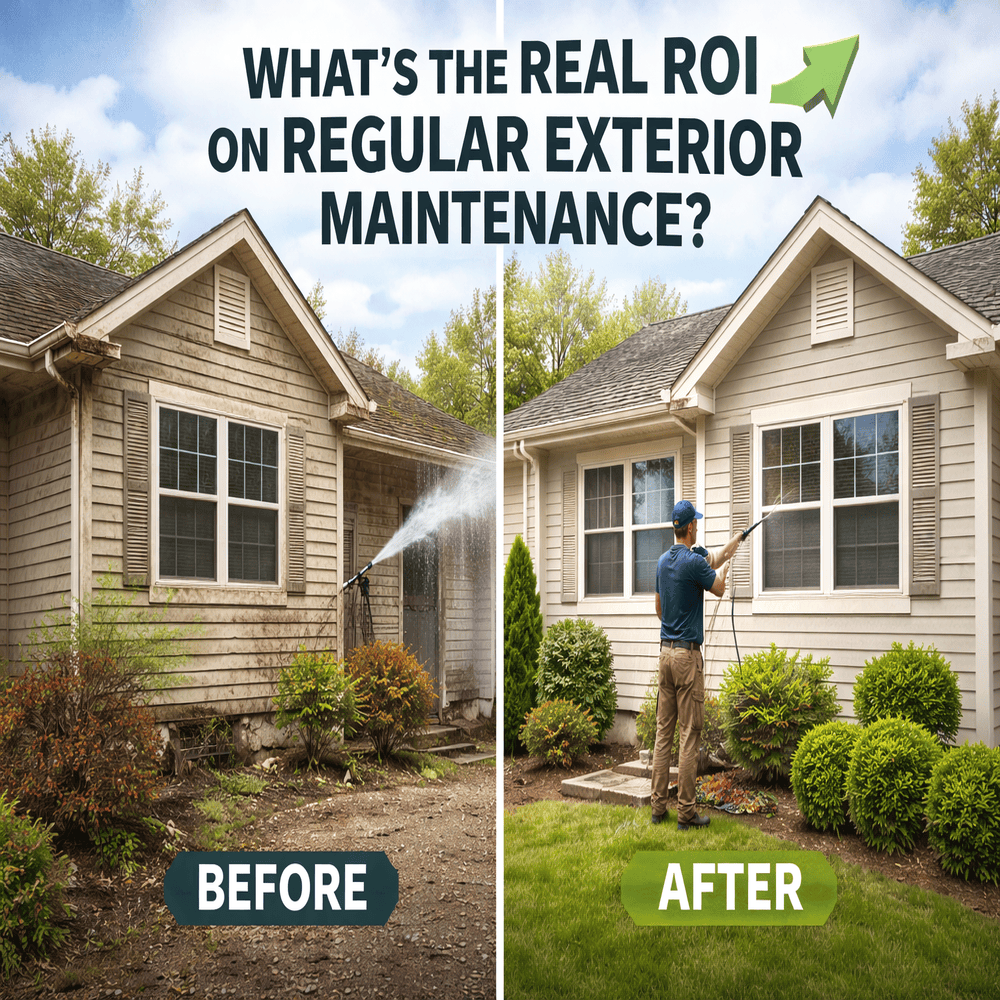
Consider two similar properties. One follows consistent maintenance schedules. The other delays until visible failure occurs. After a decade, the maintained property typically shows:
- Lower cumulative repair costs
- Higher market valuation
- Better energy efficiency
- Fewer emergency interventions
- Greater buyer confidence
That difference compounds into meaningful equity protection.
Exterior maintenance preserves more than appearance. It preserves financial strength.
Take Control of Your Exterior Investment
Regular exterior maintenance delivers measurable, compounding returns. It protects structural integrity, stabilizes operating costs, strengthens resale value, and reduces long-term risk. In a demanding climate like NYC, proactive care separates properties that age gracefully from those that decline prematurely.
If you want to maximize your property’s long-term ROI, start with a professional exterior assessment. Identify vulnerabilities before they escalate. Develop a maintenance schedule that aligns with your building’s materials and exposure conditions. Invest strategically instead of reacting under pressure.
Your exterior is not just a facade. It is a financial asset. Protect it accordingly.