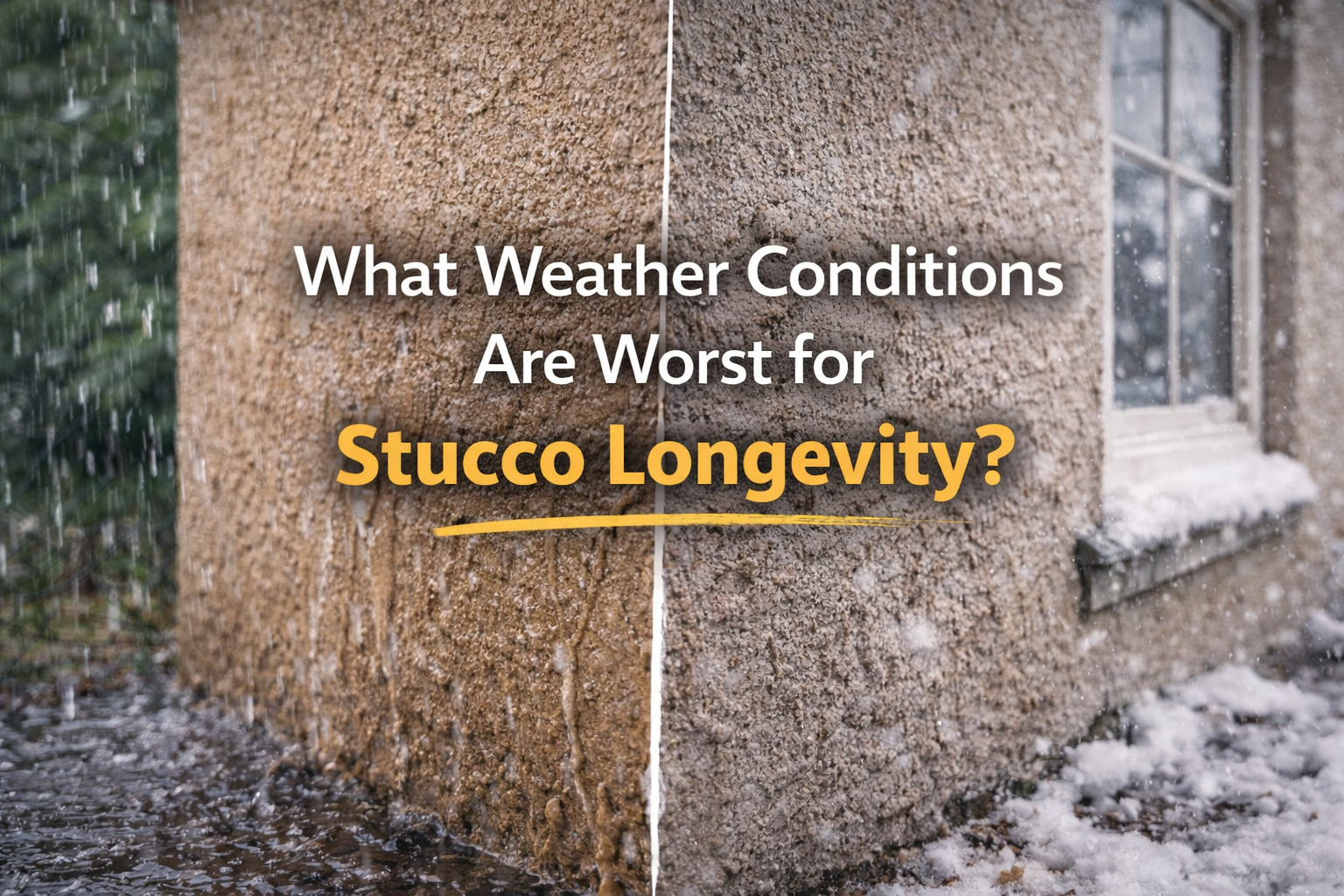
Stucco has been a favored exterior finish for centuries, prized for its versatility, durability, and aesthetic appeal. Its textured surfaces and adaptability make it ideal for both traditional and modern architecture. However, even the strongest stucco is not immune to environmental stress. New York City’s urban climate, with its dramatic seasonal changes, presents specific challenges that can shorten the lifespan of stucco surfaces if they are not properly maintained or protected.
Understanding which weather conditions accelerate stucco deterioration allows homeowners, property managers, and contractors to implement preventive measures. Stucco is more than just a decorative layer, it is a protective shell that shields the building’s structure from moisture, temperature fluctuations, and external pollutants. When environmental forces exceed the material’s natural resilience, damage appears. Cracking, chipping, staining, and delamination are all signs that the exterior is under stress. Knowing the conditions that cause these failures enables proactive strategies to extend both appearance and performance.
Seasonal Temperature Swings and Freeze-Thaw Cycles
New York’s winters and early springs introduce extreme freeze-thaw cycles that challenge stucco’s structural integrity. Water infiltrates microscopic pores and cracks in the stucco surface. When temperatures drop below freezing, this water expands, applying internal pressure to the material. Over repeated cycles, expansion and contraction cause hairline cracks to widen, surfaces to flake, and eventually structural layers beneath the finish to fail.
Sudden temperature shifts amplify this effect. A warm day followed by a harsh cold snap creates stress on stucco surfaces that have not fully dried or cured. Older stucco, particularly those applied without modern additives or proper base layers, is exceptionally vulnerable. Even minor cracks become entry points for water, which intensifies the damage during the next freeze.
Excessive Moisture and Prolonged Rain
While stucco is designed to resist moisture penetration, continuous or excessive exposure weakens its protective qualities. Long periods of rain or high humidity saturate the outer layer and can seep into underlying masonry or framing. Moisture that remains trapped under the stucco compromises adhesion, leading to bubbling, blistering, and eventual detachment.
Urban conditions in New York compound this problem. Buildings often experience limited air circulation due to narrow streets and high density, preventing stucco surfaces from drying efficiently. Shaded areas remain damp for longer periods, making them more susceptible to mold growth, staining, and efflorescence, which occurs when water-soluble salts migrate to the surface, leaving white, powdery deposits.
Direct Sunlight and Heat Stress
Although stucco is naturally resistant to sun exposure, prolonged and intense UV radiation gradually degrades pigments and reduces flexibility. Facades facing south and west receive the strongest sunlight, which accelerates fading and can make previously invisible micro-cracks more prominent. During the summer, heat causes stucco to expand. In combination with the contraction from cooler night temperatures, this repeated stress weakens the surface over time.
Roof overhangs and strategic shading can mitigate UV exposure, but in dense urban areas, reflected sunlight from glass and metal surfaces magnifies intensity. Stucco finishes that lack UV stabilizers or are painted with low-quality coatings deteriorate more quickly in these conditions, requiring earlier maintenance or recoating.
Wind-Driven Debris and Abrasive Conditions
Strong winds, particularly during coastal storms or Nor’easters, carry abrasive particles such as dust, sand, and small debris. When these materials strike the stucco surface repeatedly, they wear down texture and protective coatings. Over time, even minor abrasions develop into points of weakness where water and pollutants can penetrate.
Wind exposure also increases moisture evaporation in some areas and prolongs water retention in others, creating uneven drying patterns. This differential stress contributes to cracking and uneven fading. Buildings located on exposed streets or corners face higher risks, and unprotected corners, window edges, and recessed areas are particularly vulnerable.
Freeze-Thaw Impact Combined With Urban Salt
In New York, winter brings not only snow but also the widespread use of de-icing salts. While salt is primarily applied to sidewalks and streets, wind and splash carry it onto lower stucco walls. Salt interacts with moisture in the stucco, drawing it inward and promoting chemical stress. Repeated freeze-thaw cycles amplify the damage caused by salt intrusion, causing accelerated spalling, flaking, and surface pitting.
Lower walls and areas near stoops are most affected, often showing signs of deterioration earlier than higher surfaces. Proper base coatings, water-resistant sealants, and periodic cleaning are essential for mitigating this type of damage, particularly on urban buildings exposed to heavy pedestrian traffic.
Seasonal Humidity and Its Effects on Stucco
NYC experiences high humidity during both summer and transitional seasons. Moisture in the air causes stucco to absorb water slowly, increasing the risk of swelling and weakening internal bonds. In older buildings, this leads to paint peeling, discoloration, and reduced cohesion of the plaster layers.
High humidity combined with limited sunlight slows the natural drying process, leaving the surface moist for extended periods. This creates a breeding ground for mold and mildew, especially in shaded or recessed areas. Mold not only affects aesthetics but also accelerates material decay, leaving homeowners facing more frequent repairs.
Snow and Ice Accumulation
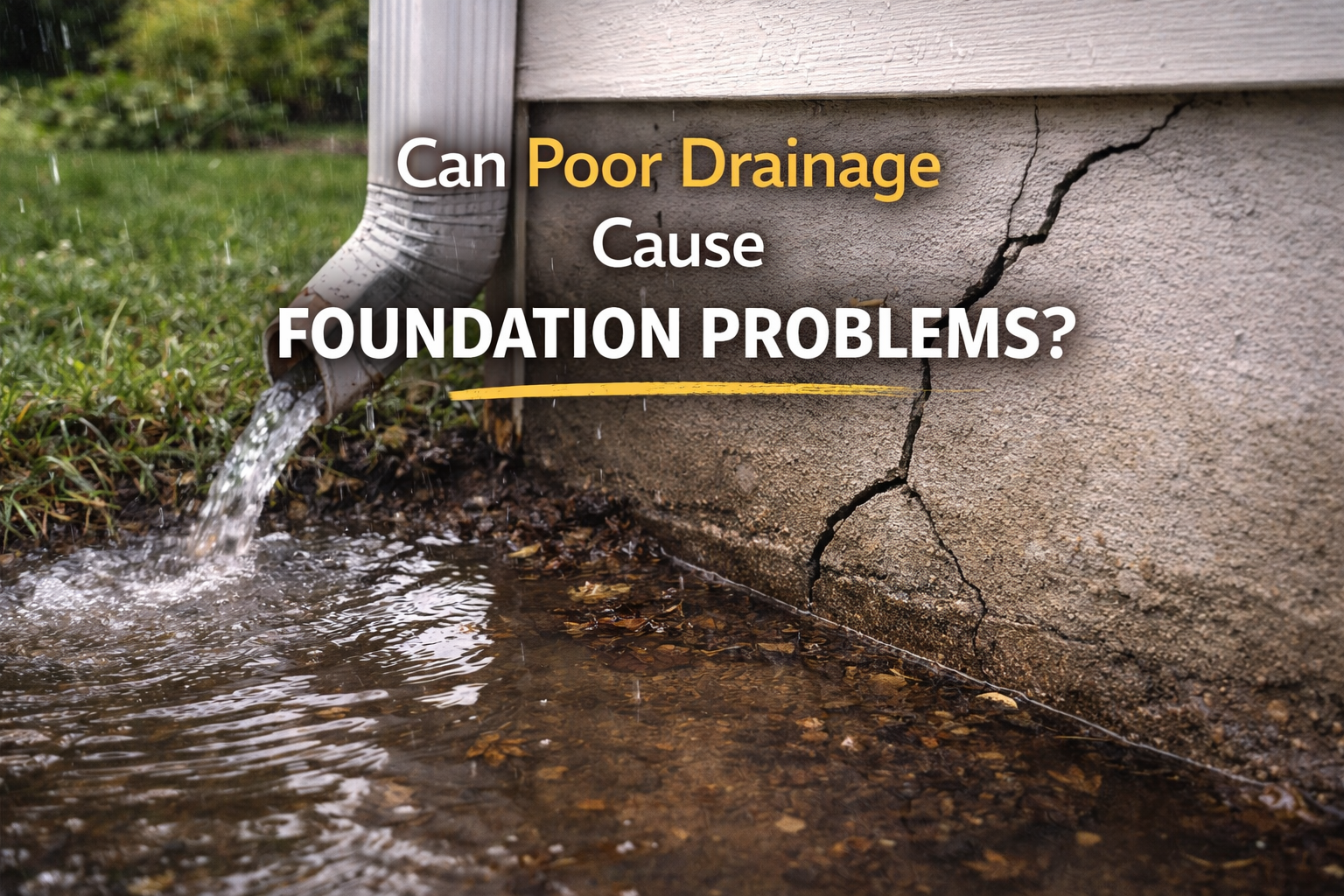
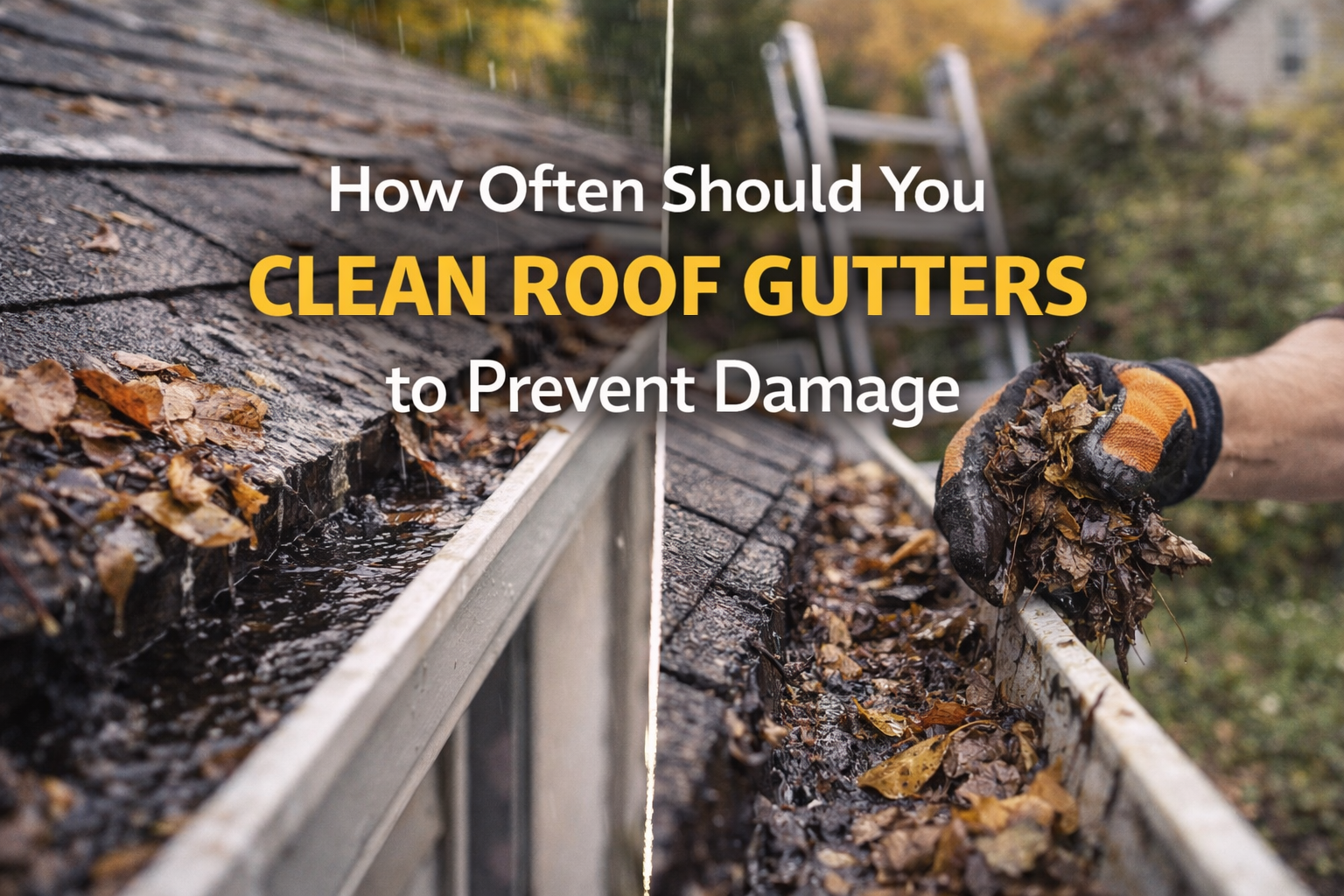
Heavy snow accumulation presents a dual challenge for stucco longevity. The weight of snow itself rarely causes damage, but trapped water from melting snow increases hydrostatic pressure on the walls. If roofs, gutters, or downspouts fail to manage runoff effectively, water infiltrates the stucco, aggravating cracks and creating soft spots in the plaster.
Ice accumulation on ledges, window sills, and decorative trim concentrates stress on weaker points. When combined with freeze-thaw cycles, these conditions can lead to chipping and localized delamination. Homeowners often underestimate the subtle but cumulative effect of snow and ice over multiple winters.
The Role of Pollution and Airborne Contaminants
Urban air pollution compounds weather-related stucco degradation. Exhaust fumes, particulate matter, and construction dust settle on exterior surfaces, creating a layer that holds moisture and intensifies chemical reactions with coatings. Over time, pollution accelerates fading, darkening, and surface deterioration.
Pollutants also affect maintenance schedules. Stucco surfaces in polluted environments require more frequent cleaning to remove deposits that would otherwise degrade pigments and protective layers.
Preventive Measures Against Weather-Driven Deterioration
Mitigating weather damage requires proactive planning. Homeowners should focus on three core strategies: surface protection, water management, and inspection routines. Proper sealants and coatings increase resistance to moisture and UV exposure, while drainage solutions direct water away from vulnerable walls. Regular inspections catch early signs of cracks, staining, or delamination before they escalate.
Seasonal maintenance enhances stucco resilience. Power washing with gentle techniques removes pollutants and salts without harming the surface. Timely repainting with UV-resistant and breathable coatings preserves color and texture. Addressing minor cracks promptly prevents moisture infiltration and freeze-thaw damage.
Integrating shading solutions, gutter extensions, and proper roof overhangs further reduces exposure to extreme sun, water, and ice accumulation. Urban properties that implement these measures experience a noticeable increase in longevity and aesthetic preservation.
Conclusion
Stucco is a durable and versatile exterior material, but New York City’s climate tests its limits. Freeze-thaw cycles, heavy precipitation, humidity, salt, wind, and pollution all combine to accelerate deterioration and color fading. Homeowners who understand these forces and take proactive measures, surface protection, water management, routine inspections, and climate-conscious material choices, dramatically extend the life of their exteriors.
Investing in preventive care today saves significant time, effort, and expense tomorrow. Don’t wait for visible damage to appear. Schedule a professional stucco inspection, upgrade coatings with weather-resistant finishes, and implement drainage solutions tailored to your property. Protect your home’s curb appeal, structural integrity, and long-term value by acting now, your exterior deserves attention before the next harsh winter arrives.