
Stucco is a popular exterior finish in many urban homes because it looks clean and lasts for years. However, once moisture gets behind it, the damage can grow quietly and become costly. Knowing the early warning signs helps homeowners protect their property before issues spread.
Key Ways to Spot Hidden Moisture Behind Stucco
Below is a detailed list of the most reliable indicators of water damage behind stucco walls.
1. Dark or Moist Stains on the Stucco Surface
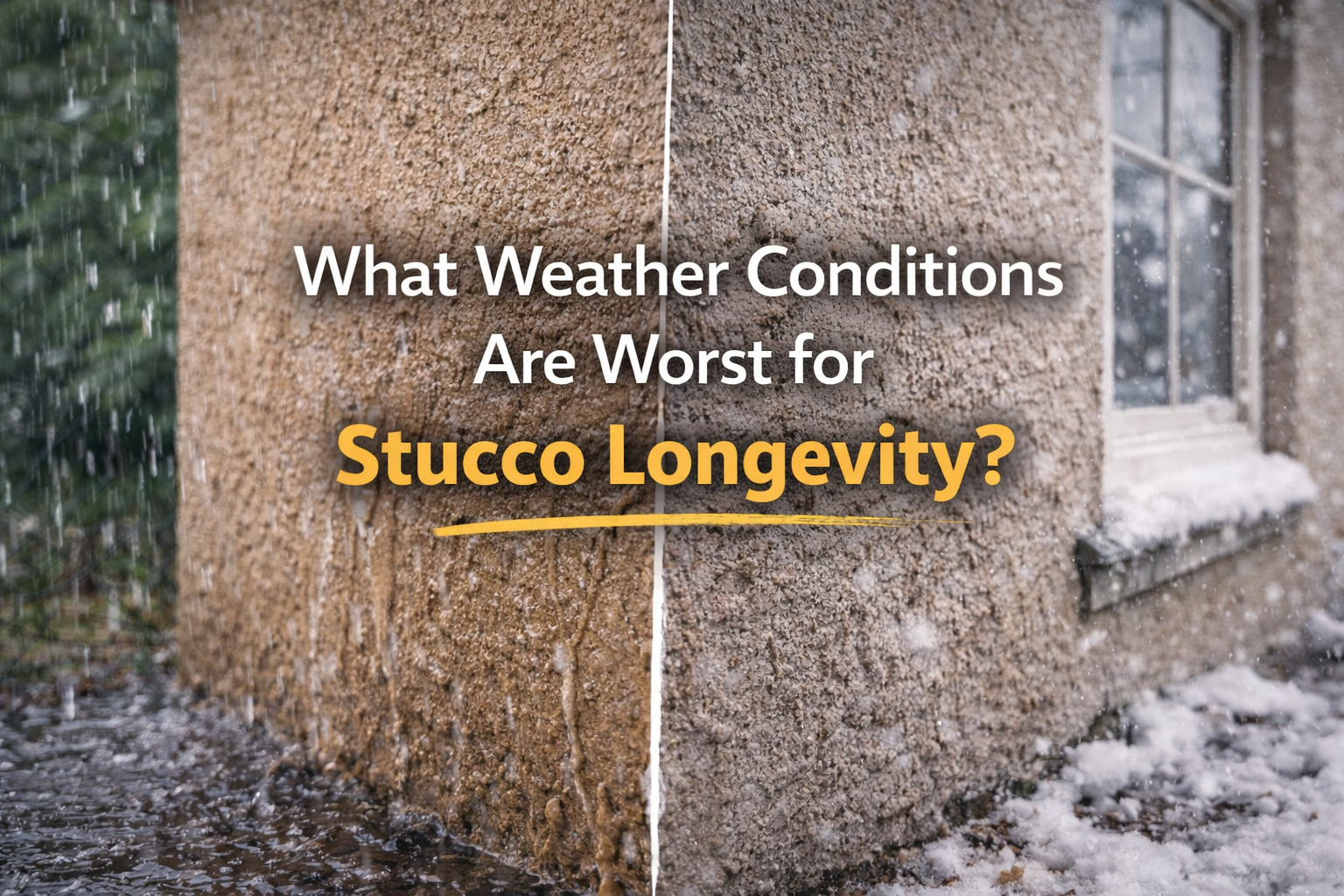
Dark patches or wet-looking stains are one of the first clues that moisture is trapped behind stucco. These areas typically appear near the base of walls, around windows, or beneath rooflines after rainfall. If the stain takes a long time to dry, it often means the water has penetrated deeper layers.
2. Cracks That Gradually Widen or Spread
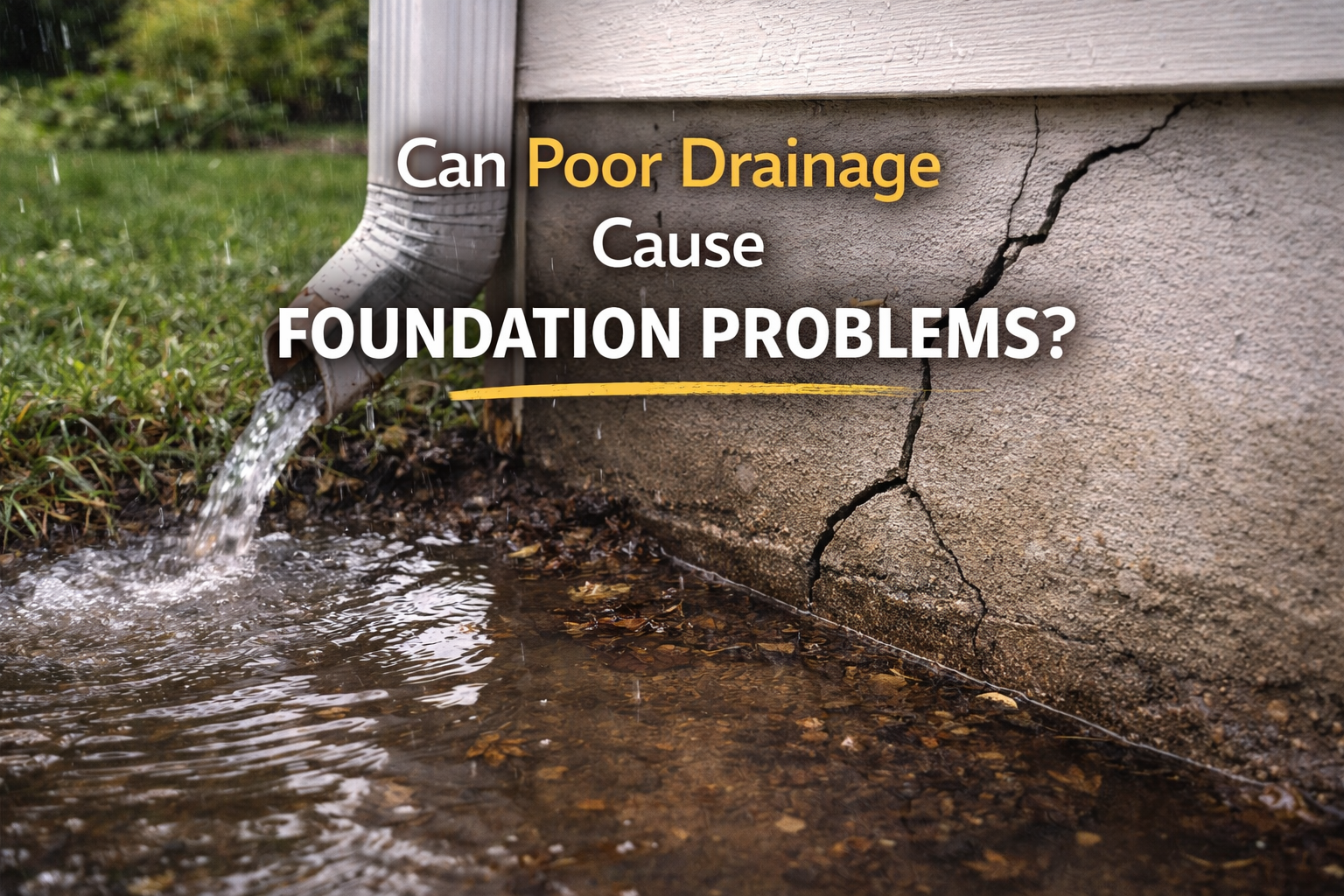
Hairline cracks are normal with temperature changes. Cracks that widen or branch out over time suggest structural stress caused by moisture weakening the underlying substrate. These cracks often start small but grow noticeably larger with each season.
3. Bubbling, Swelling, or Blistering Patches
Moisture trapped beneath stucco can create pressure that pushes the surface outward. This results in raised or blistered areas that feel soft or hollow when tapped. Once the stucco begins to bubble, the underlying materials are likely already saturated.
4. Mold or Mildew Around Windows and Wall Edges
Black, brown, or green mold indicates that moisture is lingering in areas where it does not belong. Mold tends to form near windows, trim, and corners where stucco is more vulnerable. It often appears alongside failing sealant or incorrect flashing.
5. Musty Indoor Smells Near Exterior Walls
A persistent musty odor inside the home, particularly near exterior walls, suggests that moisture behind the stucco has reached insulation or wood framing. This is a strong sign of hidden damage and should be inspected promptly.
6. Damage to Interior Drywall or Paint
Interior signs can be just as revealing. Bubbling paint, peeling wallpaper, cracking plaster, and warped drywall on walls that sit behind stucco signal that moisture has moved into the home. These signs often appear long after the initial exterior issue begins.
7. Efflorescence Forming on the Stucco Surface
Efflorescence appears as white or powdery salt deposits. It forms when water travels through stucco and evaporates, leaving minerals on the surface. This does not occur unless water has been inside the wall system for some time.
8. Cracked or Failing Caulking Around Doors and Windows
Gaps, shrinkage, or cracking in caulking allow water to seep behind stucco during rain or snow. Poorly sealed openings are one of the most common entry points for moisture in urban homes.
Conclusion
Water damage behind stucco walls can compromise the structure, lower the value of the home, and create indoor air quality problems. Early detection is the best defense. By watching for surface discoloration, interior wall changes, mold, and failing seals, homeowners can take action before the damage spreads and becomes more expensive to repair.