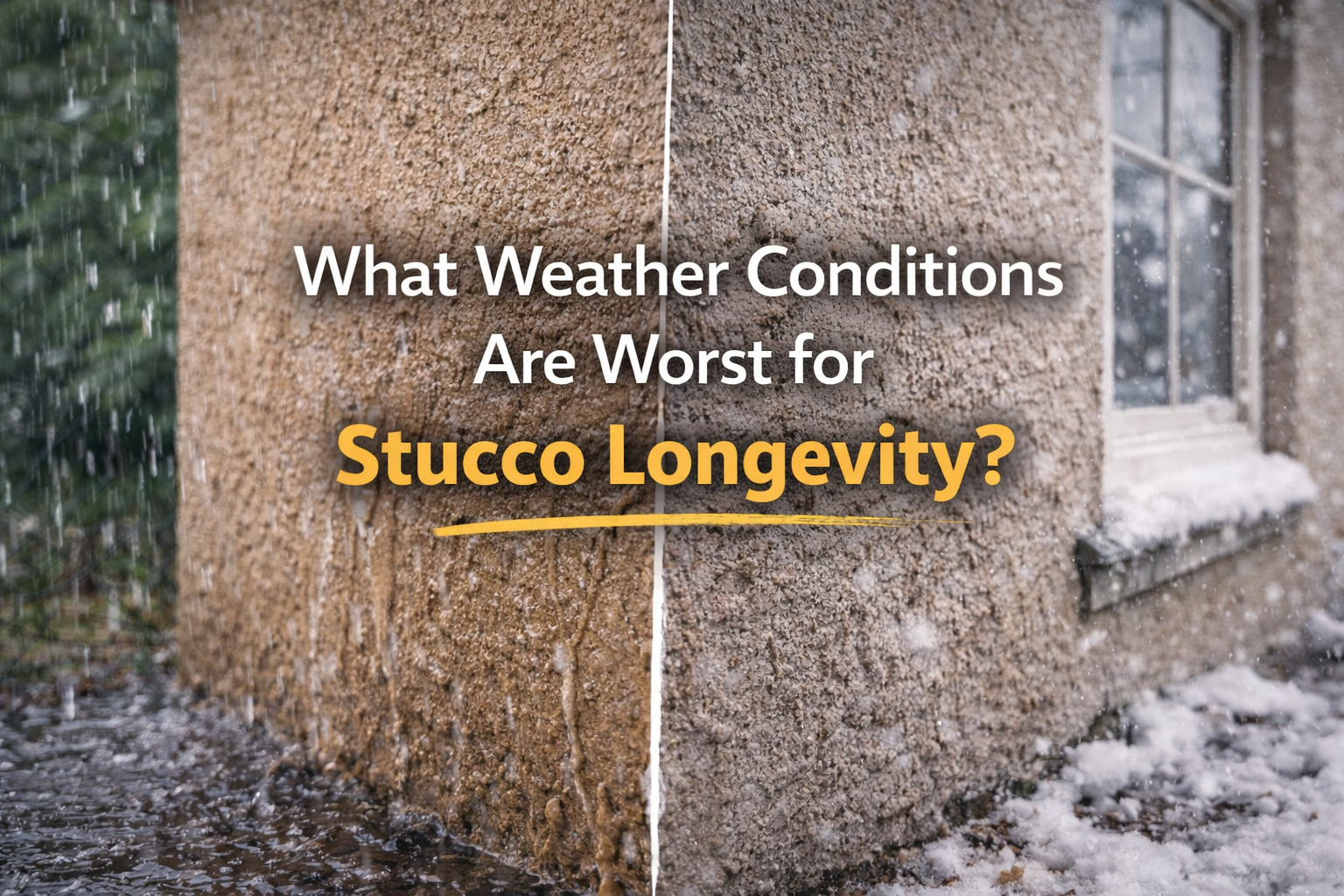

Stucco is a durable and aesthetically pleasing exterior finish widely used in both traditional and modern homes. While it’s known for its long-lasting qualities and minimal upkeep, stucco can still be affected by harsh weather conditions, especially in climates that experience temperature fluctuations, heavy rainfall, or high humidity.
Understanding how weather impacts stucco helps homeowners take preventive steps to maintain their exterior and avoid costly repairs. Here’s what you need to know.
The Relationship Between Stucco and Weather
Stucco is made from a mixture of cement, sand, lime, and water. Once applied and cured, it becomes a solid, weather-resistant surface. However, just like any material, stucco can show signs of wear when exposed to extreme weather over time. Different climates can affect it in different ways, from minor discoloration to serious cracking and water intrusion.
1. Freeze-Thaw Cycles and Cracking
In regions with cold winters, stucco homes can be vulnerable to freeze-thaw cycles. When water gets into small cracks or pores in the stucco and freezes, it expands. As the ice thaws, the stucco contracts again. This repetitive cycle puts stress on the material, often resulting in cracks or flaking.
Cracking isn’t just a cosmetic problem, it can allow more moisture to seep in, leading to bigger issues like mold or structural damage beneath the surface.
Tip: Annual inspections and timely repairs can catch small cracks before they become major problems.
2. Rain and Moisture Damage
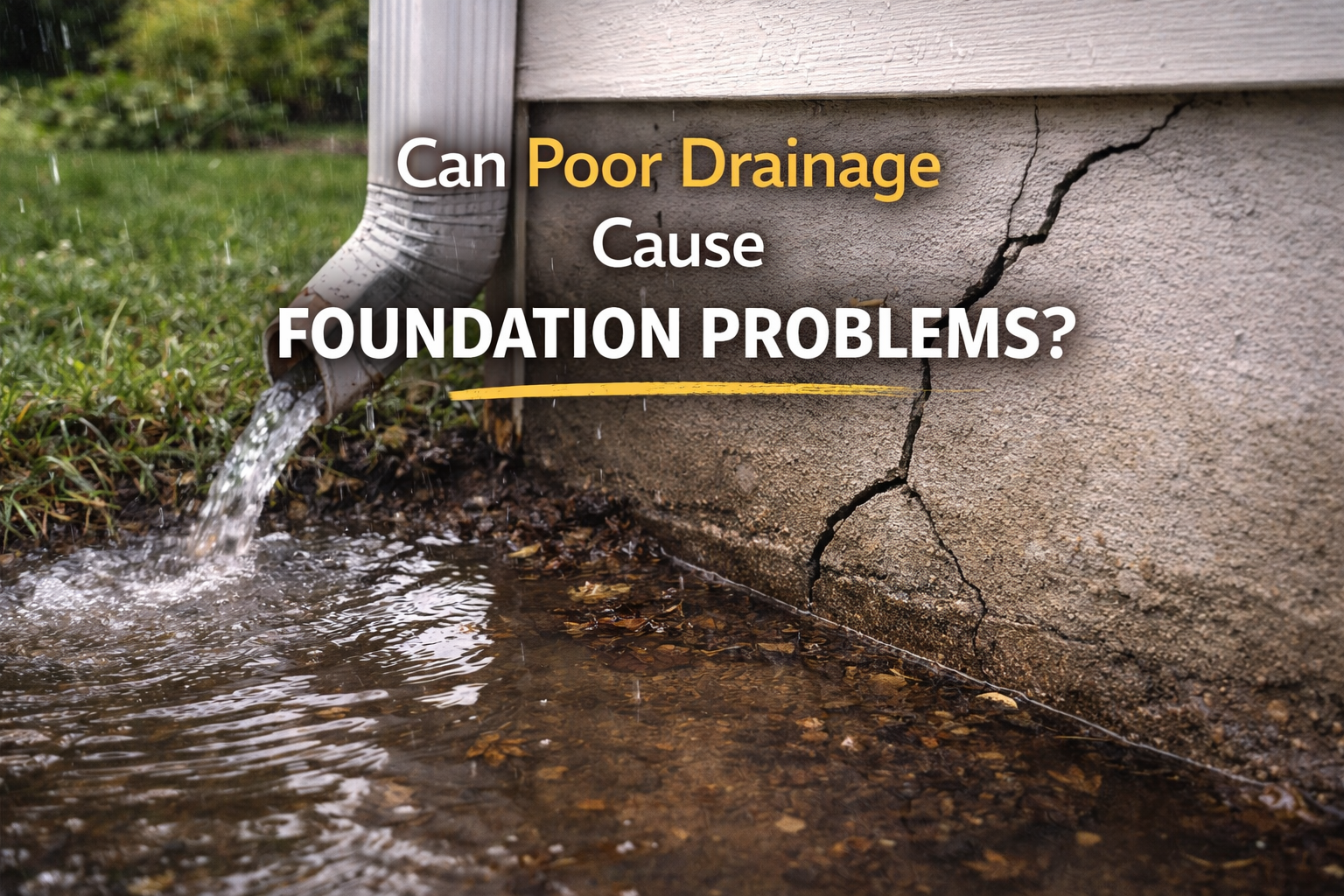
Stucco is designed to handle moisture, but prolonged exposure to heavy rainfall or poor drainage can lead to problems. If water penetrates the stucco and doesn’t dry out properly, it may cause:
- Mold or mildew growth underneath the surface
- Bubbling or blistering of the finish
- Weakening of the stucco bond with the wall
Proper flashing, weep screeds, and drainage systems are crucial in preventing moisture buildup. Homes in rainy or humid climates should also use a vapor-permeable finish to allow moisture to escape.
3. Sun Exposure and Fading
In areas with intense sun, like the Southwest, stucco can fade or discolor over time. The ultraviolet (UV) rays from the sun break down pigments in the stucco, especially if it’s painted or tinted.
Though this doesn’t compromise the structural integrity of the material, it can diminish your home’s curb appeal. Applying a UV-resistant sealant or finish coat can help preserve color and keep your exterior looking fresh.
4. Wind and Impact Damage
Strong winds don’t typically damage stucco directly, but they can cause wind-driven debris or hail to strike and chip the surface. Over time, this can lead to pitting or shallow holes in the material.
Additionally, in areas with frequent storms, wind-blown rain can drive moisture deep into the stucco if it’s not properly sealed.
Solution: Consider applying a durable acrylic or elastomeric coating to reinforce the surface against minor impacts and enhance water resistance.
5. Humidity and Mold Growth
High humidity can create a breeding ground for mold, especially if your stucco has fine cracks or wasn’t installed with proper moisture barriers. Mold can form beneath the surface and go unnoticed until major damage has occurred.
Warning signs include: dark streaks, musty odors indoors, or bulging patches on the walls.
To prevent this, homes in humid climates should have adequate ventilation and use water-resistant materials behind the stucco, such as a drainage mat system or a moisture barrier wrap.
6. Earthquakes and Settling
In earthquake-prone zones or areas with unstable soil, the movement of the ground can cause your stucco to crack or separate from the substrate. This movement can also affect doors and windows, further stressing the exterior finish.
Elastomeric stucco coatings and flexible joint sealants can help absorb minor movements and reduce the risk of cracking.
Must Readings
- Seasonal Roofing Maintenance Checklist for Homeowners
- The Pros and Cons of Using Stucco for a Facade Makeover
- Can Stucco Be Repaired or Should It Be Replaced?
- What to Expect During a Full Roof Replacement
- Flat Roof vs. Shingle Roof: Which Is Better for Your Home?
Conclusion
While stucco is a strong and time-tested material, it’s not completely immune to weather damage. From New York’s freeze-thaw cycles to Florida’s humidity or Arizona’s sun, each climate poses unique risks. By understanding these challenges and applying preventative care, you can keep your stucco exterior looking beautiful and functioning well for decades.
FAQs
You should inspect your stucco exterior at least once a year, ideally in spring or fall. Look for cracks, bulges, discoloration, or water stains, especially after storms or extreme weather events.
Yes, applying a breathable sealant or elastomeric coating can greatly improve stucco’s resistance to water, UV rays, and impact damage. It also helps maintain the color and reduce cracking due to weather exposure.
Acrylic or elastomeric finishes are more flexible and durable than traditional cement finishes. They’re especially suitable for areas with extreme temperatures or heavy moisture, as they’re better at handling expansion and contraction.
Mold can indicate moisture trapped behind the stucco. Clean the visible mold with a mild solution, but also consult a professional to check for hidden water damage and repair any underlying issues.
It depends on your policy. Some homeowner’s insurance plans cover damage from specific weather events (like hail or wind), but may exclude gradual wear or water infiltration due to poor maintenance. Always check your coverage details.