
A facade makeover can completely change the curb appeal and value of your home. One of the most popular choices for exterior remodeling is stucco, a versatile material known for its clean look and long-lasting performance. But is stucco the right choice for your facade upgrade?
This guide breaks down the pros and cons of using stucco for a facade makeover so you can make an informed decision for your NYC home or property.
Why Stucco Is a Popular Choice for Facade Makeovers
Stucco has been used for centuries, and for good reason. In urban environments like New York, it offers a sleek, modern aesthetic that fits both historic and contemporary designs. It’s also relatively affordable, highly customizable, and can last for decades when properly applied and maintained.
But like any material, stucco has its strengths and limitations. Let’s explore both sides.
The Pros of Using Stucco for Your Facade
1. Clean, Seamless Appearance
Stucco provides a smooth, uniform finish that instantly modernizes your home’s look. It’s ideal for minimalistic, Mediterranean, or Spanish-style designs, giving your property a crisp and timeless façade.
2. Energy Efficiency
Thanks to its dense composition, stucco offers great insulation. It helps regulate indoor temperatures, reducing your energy bills year-round, especially important in New York’s hot summers and cold winters.
3. Fire Resistance
Stucco is non-combustible, which adds an extra layer of fire protection to your property. This makes it a safe choice, especially for urban homes close to other structures.
4. Durability in Varying Climates
Stucco holds up well against wind, sun, and even NYC’s freeze-thaw cycles when properly sealed. It can last 50 years or more with basic upkeep, making it a smart long-term investment.
5. Low Maintenance
Unlike wood siding that needs frequent painting or sealing, stucco requires very little care. Occasional cleaning and sealing are usually enough to keep it looking fresh.
6. Customizable Textures and Colors
From fine sand to rugged dash finishes, stucco offers a wide range of textures. It can also be tinted in various shades, giving you design flexibility to match your home’s style.
Click here to read: Can Stucco Be Repaired or Should It Be Replaced?
The Cons of Using Stucco for Your Facade
1. Susceptibility to Moisture Damage
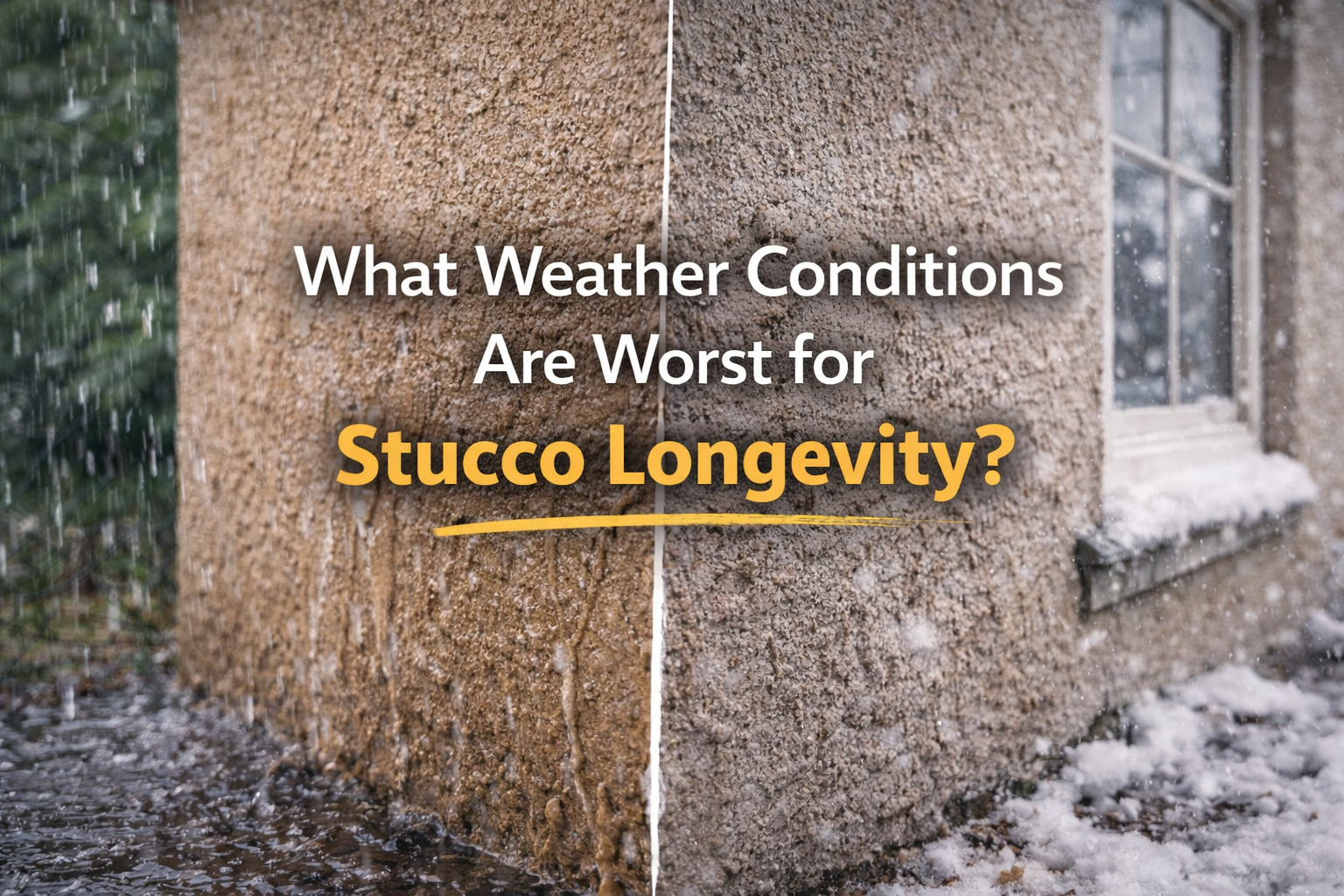
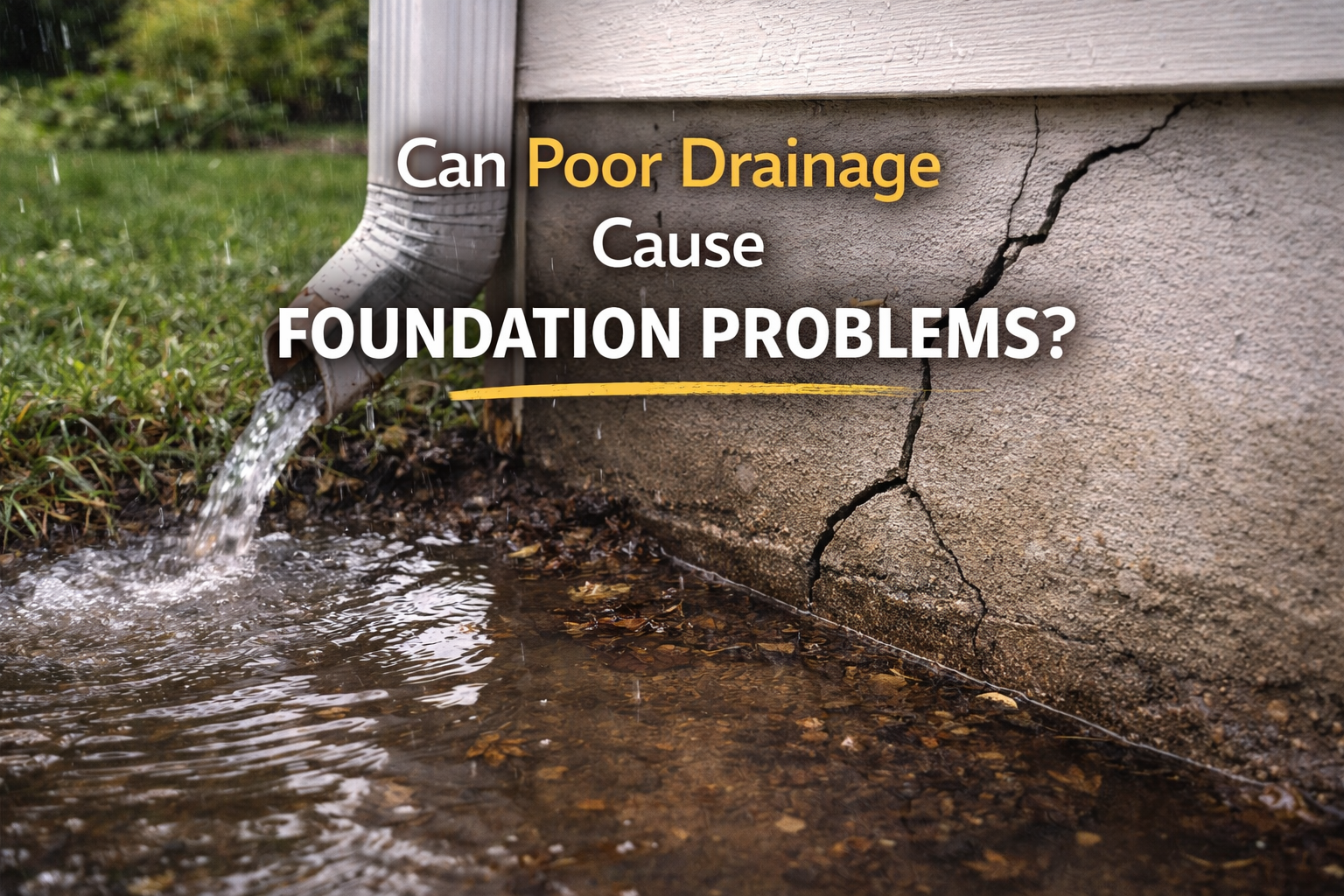
Stucco is porous, which means improper application or lack of sealing can lead to water penetration. This can cause mold, mildew, or cracking over time, especially in areas with heavy rainfall or snow.
2. Cracking Over Time
Even with high-quality application, hairline cracks can appear as your house settles or during extreme weather changes. While not always serious, they may require patching or repainting to maintain aesthetics.
3. Not Ideal for Every Building Type
Stucco works best on masonry or concrete walls. Applying it to wood-frame structures without the right barrier system can increase the risk of water damage and rot.
4. Initial Installation Cost
Though affordable in the long run, stucco installation can be more expensive than other facade materials like vinyl. However, many homeowners find the visual and energy efficiency benefits worth the upfront cost.
5. Professional Application Required
Stucco isn’t a great DIY project. It needs proper layering, curing time, and sealing to ensure durability and avoid future problems. Always hire experienced contractors for the job.
Conclusion
If your goal is to create a sleek, elegant, and energy-efficient exterior, stucco is a strong contender. It’s especially suitable for NYC homes that want a classic yet modern upgrade. However, before making the switch, consider your local weather, wall type, and maintenance expectations.
When installed and sealed properly, stucco can be a game-changer for your home’s facade.
FAQs
A properly applied and maintained stucco facade can last 50 to 80 years. The key is ensuring good installation and timely repairs when needed.
Yes! Stucco can be painted, though many homeowners opt for pre-tinted finishes. If painting, use breathable masonry paint to avoid trapping moisture.
Absolutely. Stucco is often used in facade restorations of historic NYC homes. Just make sure the underlying structure can support the material.
Cracks are often caused by poor installation or shifting foundations. Using proper mesh reinforcement and hiring skilled professionals reduces the risk of cracking.