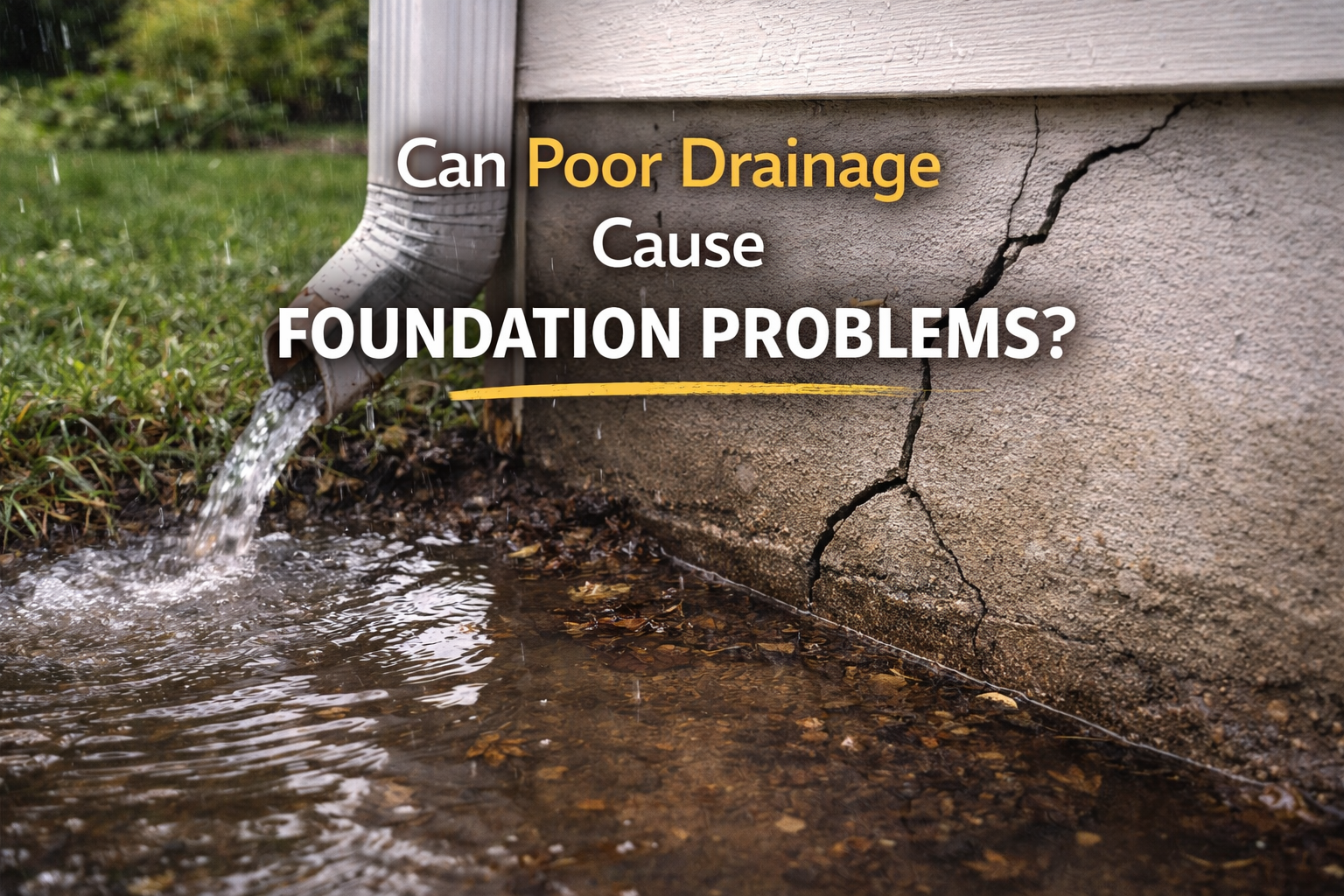
Repairing cracked stucco is an essential home maintenance task that preserves both your property’s beauty and structural integrity. Over time, weather fluctuations, natural settling, and everyday wear can cause small fractures to appear in stucco walls. If ignored, these cracks can expand, allowing moisture to penetrate and leading to costly repairs. By addressing the problem early and following a methodical repair process, you can restore your stucco’s seamless finish and protect your home for years to come.
How to Repair Cracked Stucco
Stucco remains one of the most attractive and durable exterior finishes for homes, but no surface is immune to wear. Cracks, whether hairline or deeper, can compromise both appearance and performance if left untreated. These imperfections may result from shifting foundations, seasonal temperature changes, or accidental impact.
Repairing them promptly not only revives your stucco’s visual appeal but also acts as a protective measure against water intrusion, mold growth, and structural decay. With the right materials, preparation, and technique, you can achieve a repair that blends seamlessly into the surrounding surface and reinforces the wall’s strength.
The following steps will guide you through the process from preparation to finishing, ensuring long-lasting results that look as if the damage never existed.
1. Inspect the Crack Thoroughly
Start by carefully examining the crack to determine its cause and extent. Hairline cracks that measure less than one-eighth of an inch in width often occur due to normal expansion and contraction of the stucco surface. Wider or deeper cracks may signal structural movement or underlying water damage that needs professional evaluation. By identifying the root cause early, you ensure that your chosen repair method addresses the problem effectively and prevents future damage.
2. Clean the Damaged Area
Thoroughly clean the crack before beginning repairs. Use a wire brush to remove loose stucco particles, dust, and debris from the affected section. For stubborn buildup, rinse the area lightly with a garden hose and allow it to dry completely. A clean surface promotes stronger adhesion, ensuring the repair material bonds securely and remains intact over time.
3. Prepare the Crack for Filling
Gently widen hairline cracks with a putty knife or masonry chisel to create more surface area for the repair material to grip. This step may seem counterproductive, but it strengthens the bond between the old stucco and the new patch. For deeper cracks, remove any crumbling pieces inside before applying the filler to ensure a stable base for the repair.
4. Mix the Stucco Patch Material
Select a high-quality premixed stucco patch for convenience or prepare your own blend using Portland cement, sand, and water. Follow the manufacturer’s guidelines to achieve the right consistency, aiming for a texture similar to thick peanut butter. The mixture should be firm enough to stay in place yet smooth enough to spread evenly.
5. Apply the Patch
Press the stucco patch firmly into the crack with a trowel, making sure to fill the space completely. Smooth the surface so it blends seamlessly with the surrounding wall. If your stucco has a textured finish, recreate the texture before the material sets by using a sponge, stippling brush, or another matching tool.
6. Allow the Patch to Cure
Let the repaired area cure for at least 24 to 48 hours, or as specified by the product instructions. Keep the patch slightly damp during the curing process to prevent it from drying too quickly, which could cause shrinkage or new cracks to form.
7. Finish with Paint or Sealant
Once the patch has fully cured, paint over it to match the existing wall color for a seamless finish. This step not only restores the stucco’s appearance but also adds a protective layer that shields it from moisture intrusion. If your stucco is unpainted, apply a breathable masonry sealant to guard against water damage while allowing trapped vapor to escape.
Conclusion
Repairing cracked stucco offers an effective way to extend the life and appearance of your exterior. Address damage early, clean and prepare the area thoroughly, and apply the right repair techniques to create a strong, seamless finish. Conduct regular inspections and take prompt action to keep your stucco looking its best while protecting your home from costly water damage.