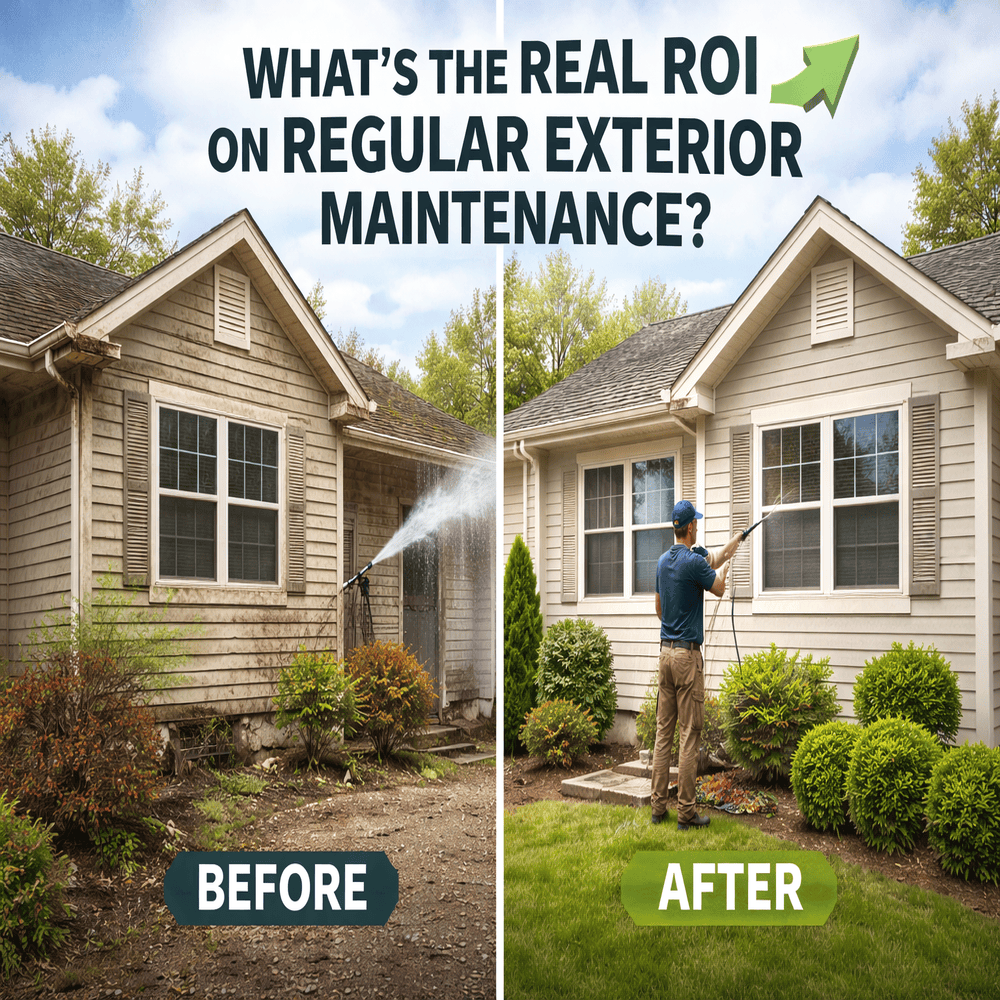
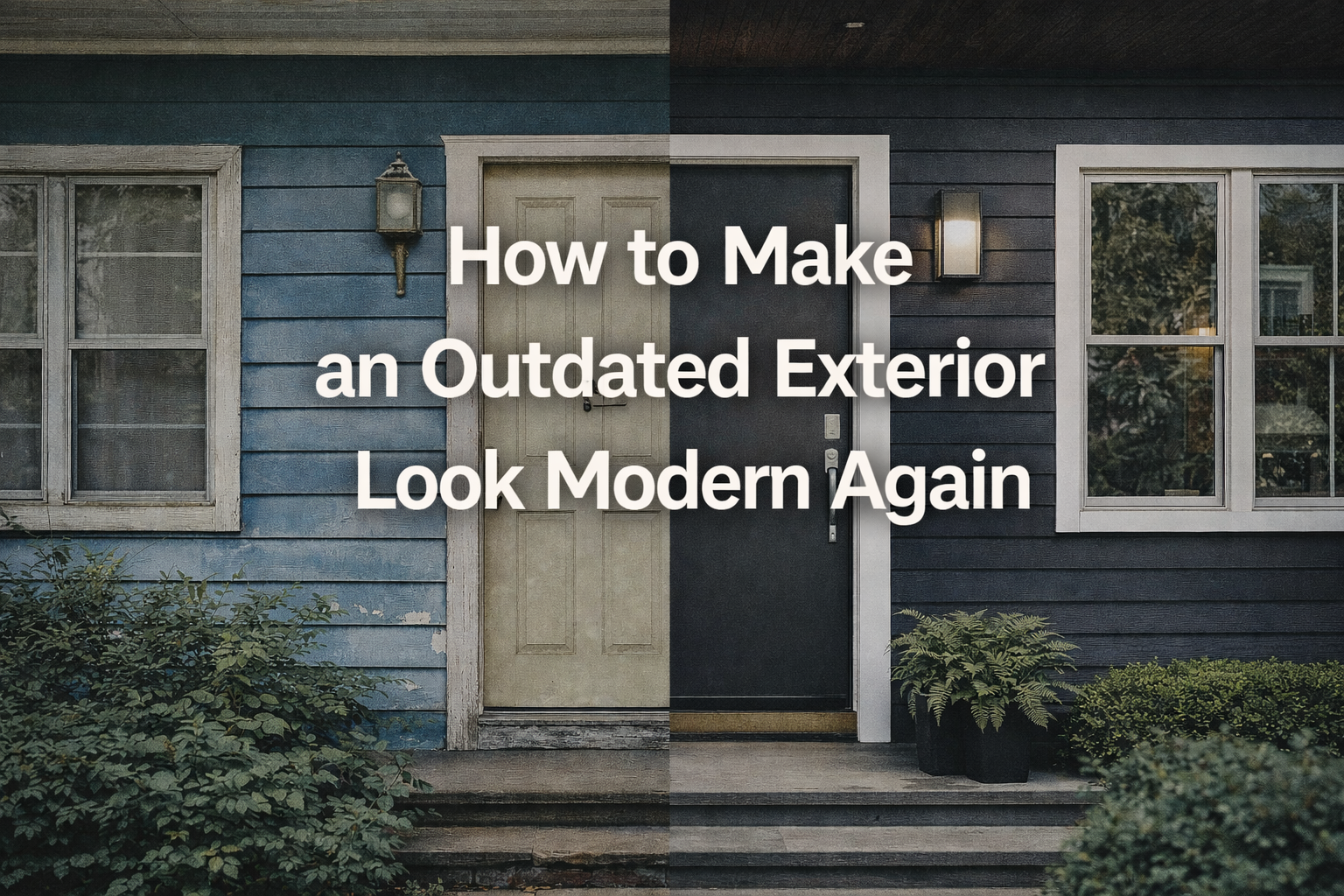
An outdated exterior does more than affect curb appeal. It shapes how a property is perceived, how it performs, and how well it competes in an urban real estate market like New York City. Many homeowners assume modernizing an exterior requires a full rebuild or an unlimited budget. In reality, modern transformation comes from strategic decisions, material upgrades, and a clear understanding of contemporary design language.
A modern exterior does not mean trendy or temporary. It reflects clean proportions, intentional material choices, functional details, and visual clarity. When executed correctly, modernization enhances durability, efficiency, and long-term value while respecting the structure beneath it.
This blog explores how to modernize an outdated exterior through thoughtful design, material upgrades, and planning strategies that deliver lasting results.
Understanding What Makes an Exterior Look Dated
Before modernizing, it is essential to recognize the elements that signal age. Outdated exteriors often suffer from visual clutter, inconsistent materials, heavy ornamentation, and color palettes tied to past decades.
Common signs include overly decorative trims, mismatched finishes, faded or muddy colors, bulky railings, and inefficient lighting. In many cases, the problem is not structural but visual. The exterior sends mixed signals and lacks cohesion.
Modernization begins with subtraction. Removing excess elements often creates the foundation for a cleaner, more contemporary look.
Establishing a Clear Design Direction
A modern exterior follows a clear design language. It does not mix eras randomly or layer styles without purpose. Defining a direction helps every decision support a unified outcome.
Modern design emphasizes balance, proportion, and restraint. Surfaces feel intentional. Materials repeat with consistency. Lines remain clean and purposeful.
Whether the goal leans toward minimalist, contemporary urban, or softened modern, clarity prevents overdesign and reduces costly missteps.
Simplifying the Exterior Composition
Modern exteriors rely on visual calm. Simplification creates immediate impact without extensive construction.
Removing unnecessary trims, dated shutters, ornate moldings, and oversized fixtures allows architectural features to stand out naturally. Clean edges and uninterrupted surfaces create a sense of order and confidence.
Simplification does not mean making a building look flat. It allows materials, light, and form to become the focus rather than decoration.
Updating Exterior Color with Intention
Color plays a critical role in modernization. Outdated exteriors often feature warm beiges, yellow undertones, or faded pastels that flatten architectural detail.
Modern palettes favor neutral tones, balanced contrasts, and natural hues. Grays, soft whites, charcoal, muted greens, and warm taupes work well in urban environments. These colors highlight structure and interact better with modern materials.
Limiting the palette to two or three coordinated tones creates cohesion and prevents visual noise. Strategic contrast emphasizes entrances, frames, and architectural features without overwhelming the facade.
Replacing Dated Materials with Contemporary Alternatives
Material choice defines how modern an exterior feels. Many older finishes visually age a building even when they remain structurally sound.
Replacing worn vinyl siding, cracked stucco, outdated brick treatments, or artificial stone instantly refreshes the appearance. Modern alternatives include fiber cement panels, refined masonry, architectural metal, smooth stucco systems, and natural wood accents.
Contemporary materials offer cleaner textures, sharper edges, and improved durability. They also align better with modern construction standards and performance expectations.
Enhancing Architectural Lines and Proportions
Modern exteriors emphasize geometry and proportion. Updating lines helps redefine the structure without altering its footprint.
Widening door surrounds, squaring off window trims, and aligning visual elements improve balance. Horizontal or vertical emphasis can make a building appear taller, wider, or more grounded depending on design goals.
Even subtle adjustments, such as extending siding lines or reconfiguring trim dimensions, can significantly modernize a facade.
Modernizing Windows and Doors
Windows and doors anchor an exterior’s character. Outdated frames, heavy grids, and inconsistent styles disrupt modern appeal.
Modern window designs feature slimmer profiles, fewer divisions, and uniform alignment. Dark frames or neutral finishes provide contrast and sophistication.
Front doors benefit from bold simplicity. Solid panels, clean glass inserts, and contemporary hardware create a strong focal point. Updating entryways delivers one of the highest visual returns in exterior renovation.
Improving Exterior Lighting Design
Lighting transforms how an exterior reads day and night. Outdated fixtures often feel decorative rather than functional.
Modern exterior lighting focuses on purpose and placement. Wall-mounted sconces, recessed lighting, and subtle uplighting highlight architectural features while improving safety.
Warm, balanced lighting enhances texture and depth without overpowering the structure. Thoughtful lighting design elevates the entire exterior experience.
Integrating Texture Without Visual Clutter
Modern design does not rely on decoration, but it values texture. Texture adds depth while maintaining restraint.
Combining smooth and tactile surfaces creates visual interest without excess. For example, pairing smooth stucco with natural wood or refined masonry introduces contrast while preserving a clean look.
Limiting the number of textures prevents fragmentation and maintains modern cohesion.
Updating Railings, Fencing, and Boundaries
Outdated railings and fences can undermine an otherwise modern exterior. Ornate metalwork, bulky wood designs, or mismatched barriers age a property instantly.
Modern boundaries favor simplicity and transparency. Clean metal railings, horizontal slats, or minimal fencing designs complement contemporary exteriors and improve street presence.
Replacing these elements often requires minimal disruption but delivers substantial visual impact.
Redefining Outdoor Transitions and Entry Zones
Modern exteriors prioritize seamless transitions between public and private spaces. Entry zones should feel intentional, not incidental.
Refining steps, walkways, and landings with modern materials improves flow and accessibility. Simple geometry, consistent materials, and clear pathways enhance functionality and aesthetics.
A well-designed entry invites engagement and reinforces modern identity.
Addressing Performance Alongside Appearance
A truly modern exterior performs efficiently. Visual upgrades should align with functional improvements.
Upgrading insulation, weather barriers, and drainage systems ensures the exterior looks modern and functions effectively. Modernization offers an opportunity to improve energy efficiency and moisture management.
Performance upgrades protect materials, extend lifespan, and reduce long-term maintenance.
Aligning Landscaping with Contemporary Design
Landscaping completes the exterior transformation. Outdated landscaping often includes overgrown shrubs, symmetrical plantings, and decorative elements that compete with the facade.
Modern landscapes emphasize structure and simplicity. Clean lines, restrained plant palettes, and purposeful greenery support architectural clarity.
Planters, hardscaping, and low-maintenance plants create a cohesive relationship between building and surroundings.
Managing Budget Through Strategic Priorities
Modernization does not require replacing everything at once. Strategic sequencing delivers strong results within realistic budgets.
High-impact upgrades such as color, lighting, doors, and trim adjustments often produce immediate improvement. Material replacements can follow in phases without compromising design intent.
A well-planned approach ensures consistency even when renovations occur over time.
Avoiding Trend-Based Shortcuts
Trends fade faster than materials. Overly bold design choices can date an exterior just as quickly as outdated elements.
Modernization should focus on timeless design principles rather than short-lived aesthetics. Neutral palettes, quality materials, and functional details age better and retain value.
Longevity defines true modern design.
Creating a Cohesive Urban Presence
In dense urban environments, exteriors interact closely with neighboring buildings. Modernizing one property requires sensitivity to context.
A modern exterior should stand out through quality and clarity, not contrast for its own sake. Respecting scale, rhythm, and proportion ensures the building feels contemporary without disconnecting from its surroundings.
Urban cohesion enhances overall streetscape value.
Conclusion
Making an outdated exterior look modern again requires more than surface-level updates. It demands clarity, restraint, and strategic decision-making.
By simplifying composition, refining materials, updating color and lighting, and aligning performance with appearance, homeowners can transform aging facades into modern, durable, and visually compelling exteriors.
Modern design is not about erasing the past. It is about refining what exists to meet today’s standards of function, efficiency, and aesthetics.
When approached thoughtfully, modernization creates exteriors that feel current, confident, and built to last.