Your roof is one of the most important parts of your home, yet it is also one of the easiest to overlook. Small problems can quickly turn into costly repairs if they go unnoticed. Regular inspections help you spot early signs of damage and extend the life of your roof, ensuring your home stays safe and protected.
Steps to Spot Roof Issues Before They Get Worse
Inspecting your roof regularly allows you to address minor concerns before they develop into larger issues. A proactive approach not only saves money but also preserves the structural integrity of your home. Below are key areas to check during an inspection and why they matter.
1. Check Shingles for Damage
Look for missing, curled, cracked, or loose shingles. Damaged shingles expose the underlying roof structure to moisture, which can lead to leaks and wood rot. By replacing problem shingles early, you maintain the roof’s ability to protect against water intrusion. Regularly inspecting them also helps you spot patterns of wear that might point to bigger roofing issues.
2. Look for Signs of Moss, Algae, or Mold
Green or black streaks across shingles often indicate moss, algae, or mold growth. These organisms trap moisture against the roof surface, weakening materials over time. Cleaning these areas promptly helps prevent long-term deterioration. Consider trimming overhanging branches to allow sunlight and airflow, which naturally discourages growth.
3. Examine Flashing Around Vents and Chimneys
Flashing seals the joints where the roof meets vents, chimneys, or skylights. Over time, flashing can corrode, lift, or crack, creating entry points for water. Inspecting these areas carefully and resealing as needed keeps your roof watertight. A close check after storms or seasonal changes can reveal problems before leaks begin.
4. Inspect Gutters and Downspouts
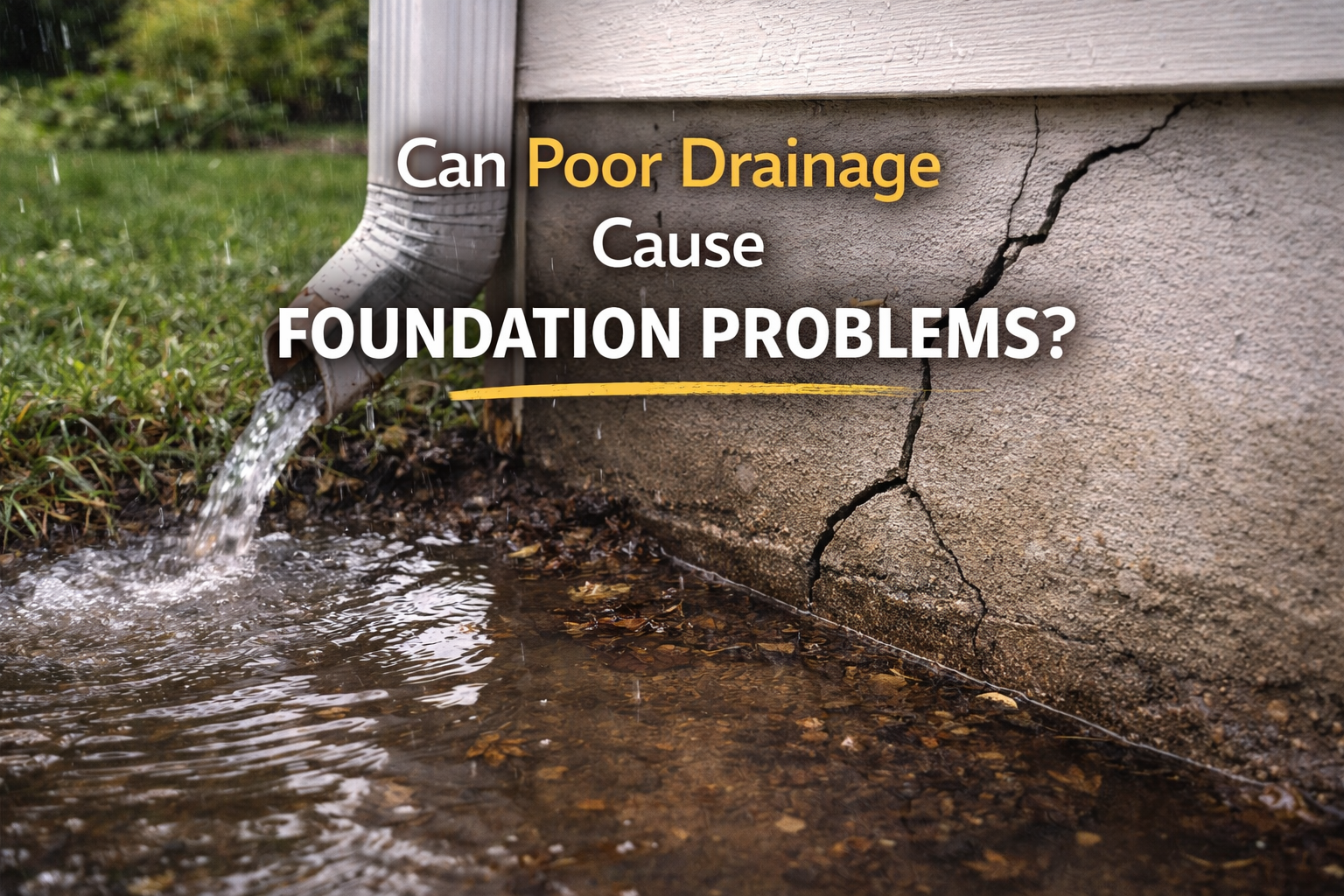
Clogged or damaged gutters prevent water from draining properly, causing it to back up under shingles or pool near the foundation. Check for blockages, leaks, or sagging sections, and ensure downspouts direct water away from your home. Keeping gutters clean not only protects the roof but also prevents costly foundation and landscape damage.
5. Watch for Sagging or Uneven Roof Areas
A roof that appears to dip or sag may indicate structural issues, often caused by water damage or weakened supports. This problem requires immediate professional evaluation, as it can threaten the safety of the entire structure. Acting quickly ensures you avoid further collapse or damage that could make repairs more complex and expensive.
6. Check for Interior Signs of Roof Trouble
Go inside your attic or top floor and look for water stains, damp insulation, or light seeping through the roof boards. These are early warnings of leaks that may not yet be visible outside. Addressing them quickly can save you from expensive repairs. Monitoring your ceilings and attic regularly makes it easier to spot issues before they spread.
7. Monitor Seals Around Skylights and Roof Edges
Skylights and roof perimeters often develop small gaps over time. Inspect these seals for cracks or wear and reseal them if needed. Tight seals reduce the chance of leaks during storms or heavy rainfall. Regular resealing extends the life of these vulnerable areas and helps maintain overall roof performance.
Conclusion
Inspecting your roof is a simple task that has a big impact on your home’s longevity and safety. By checking shingles, flashing, gutters, and interior spaces regularly, you can prevent small issues from escalating into serious damage. A little time spent on inspections today can save you thousands in repairs tomorrow.
Ready to elevate your home’s exterior? Contact Gushi Construction today for expert masonry, roofing, concrete, stucco, pavers, and power washing — and get a free estimate!