Roofing problems often start small but can quickly lead to serious damage if left unchecked. Whether it’s a residential home or a commercial building, your roof faces constant exposure to sun, rain, wind, and seasonal changes.
Over time, this wear and tear leads to leaks, cracks, and other structural issues. Knowing the early warning signs helps you catch problems before they become costly repairs. In this blog, you’ll learn about common roofing issues and how to spot them early.
However, just like any part of your home, roofs can develop issues over time. Recognizing these problems early can save you from costly repairs down the road. In this post, we’ll go over common roofing issues in buildings and how you can spot them before they become serious problems.
Common Roofing Issues and How to Spot Them
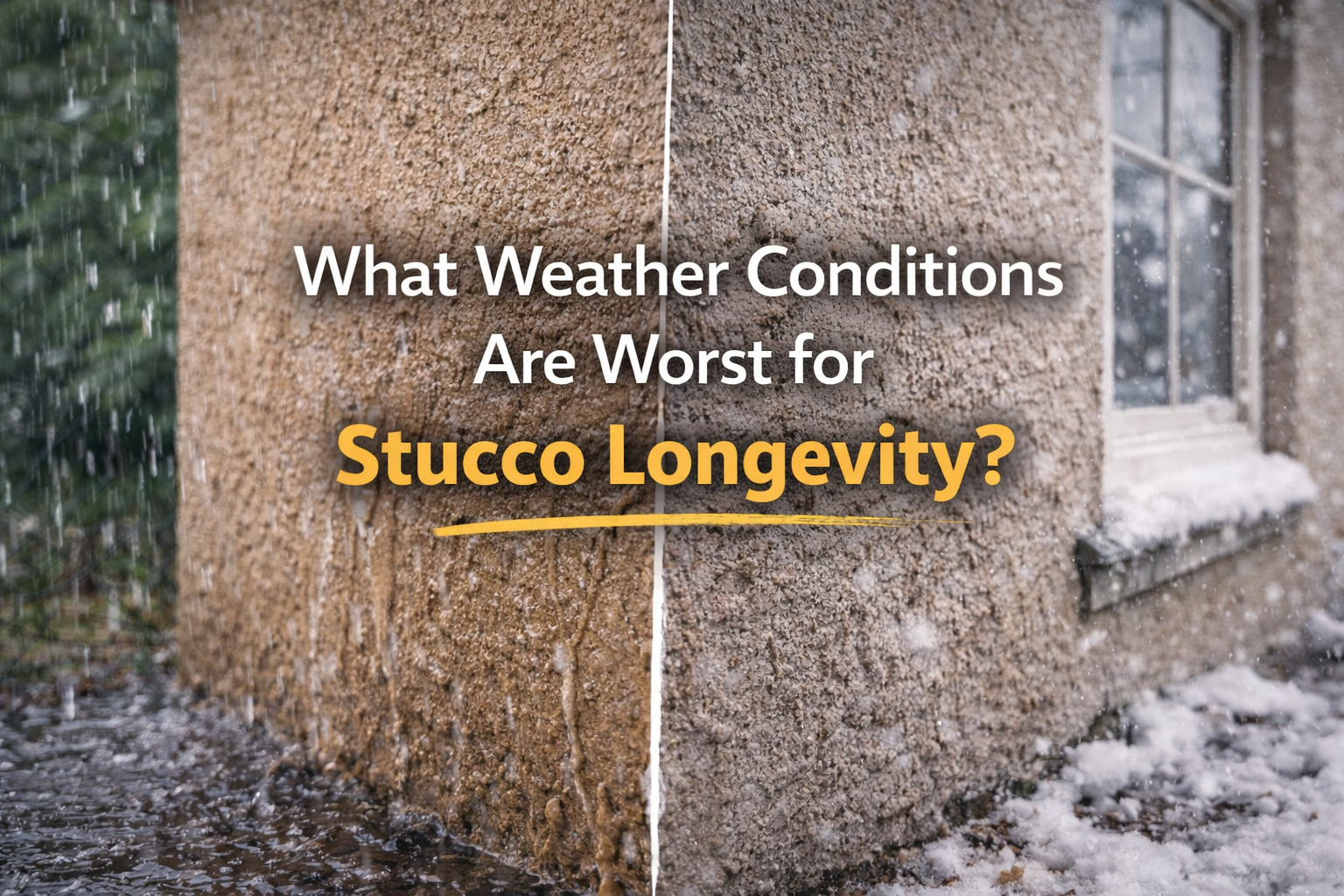
Roofs are constantly exposed to harsh weather conditions, including rain, wind, sun, and snow. As a result, various issues can develop, ranging from minor leaks to major structural damage. Here are some of the most common roofing problems you should be aware of:
1. Leaks and Water Damage
Water leaks are one of the most common roofing problems. If you notice water stains on your ceiling, or worse, water dripping from your roof, it’s a clear sign that you have a leak. Leaks can occur for several reasons, such as cracked shingles, damaged flashing, or clogged gutters.
How to Spot It
- Water stains on your ceiling or walls.
- Mold or mildew growth around the leak area.
- Dripping water during rainstorms.
2. Missing or Damaged Shingles
Over time, shingles can become damaged due to weather exposure or wear and tear. Missing or damaged shingles can leave your roof vulnerable to leaks and further damage.
How to Spot It
- Loose or missing shingles on your roof.
- Granules in gutters or around your home (a sign that shingles are deteriorating).
- Curling or buckling shingles, which often occurs as shingles age.
3. Clogged Gutters
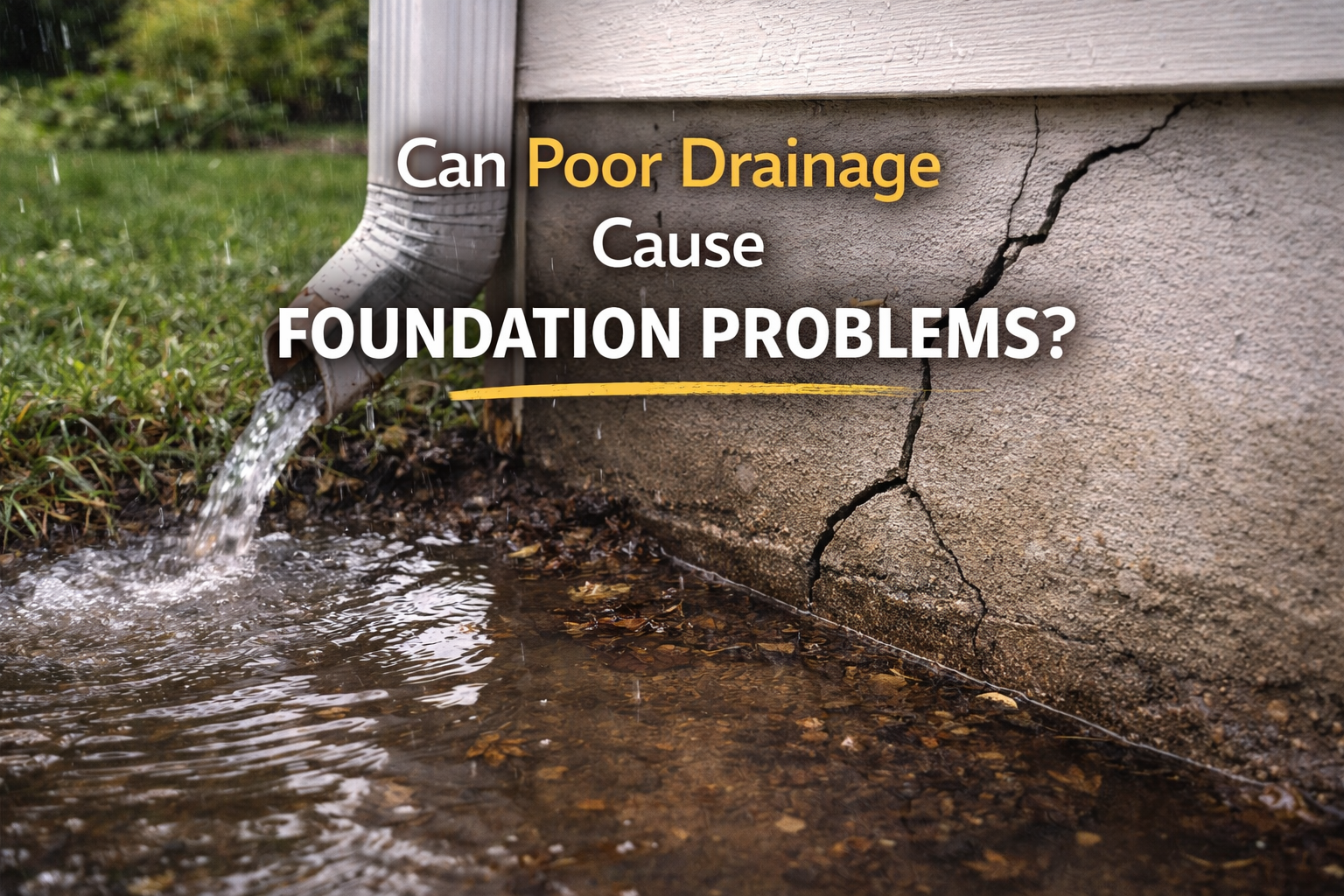
Your gutters are designed to channel water off your roof and away from your home. However, if your gutters become clogged with leaves, debris, or dirt, water can back up onto the roof, causing potential damage. Over time, this can lead to leaks and rot.
How to Spot It
- Water overflowing from gutters during rain.
- Sagging or damaged gutters that are unable to handle the water.
- Debris accumulation in your gutters.
4. Poor Ventilation
A roof that lacks proper ventilation can cause a variety of problems, including heat buildup and moisture accumulation. This can lead to mold, mildew, and even roof deterioration.
How to Spot It
- Hot attic during the summer months.
- Condensation or moisture in the attic.
- Frost accumulation during the winter.
5. Damaged Flashing
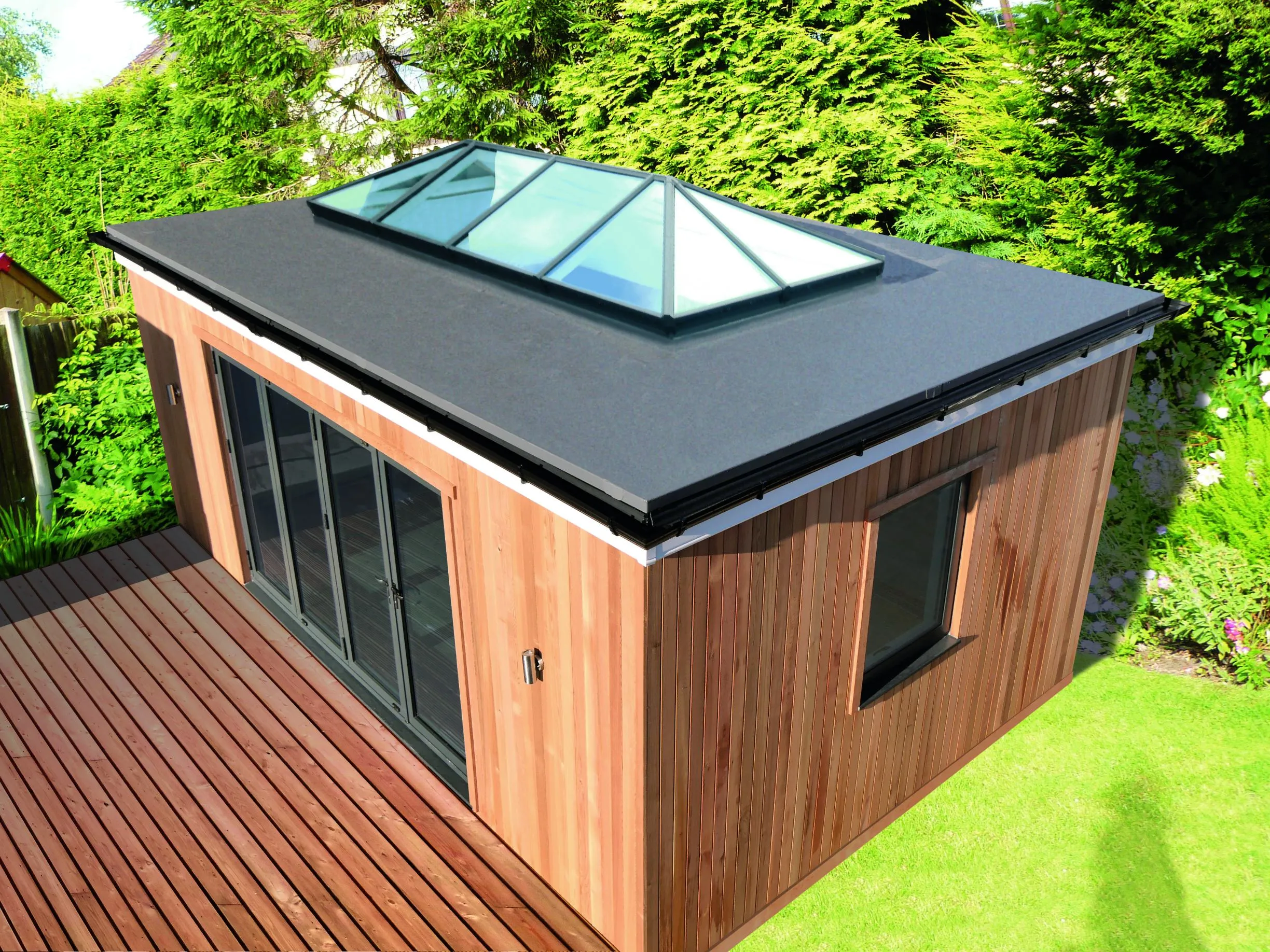
Flashing is a metal barrier placed around areas like chimneys, vents, and skylights to prevent water from seeping in. If the flashing becomes damaged or worn out, it can allow water to enter your home, causing leaks and damage.
How to Spot It
- Rust or corrosion on flashing.
- Cracked or missing flashing around vents and chimneys.
- Water stains around areas where flashing is installed.
6. Roof Punctures or Holes
Physical damage, such as punctures or holes, can occur due to fallen tree branches, hail, or even walking on the roof. This kind of damage can be a serious problem if not addressed quickly.
How to Spot It
- Visible holes or punctures on your roof.
- Debris in your attic after a storm, such as broken shingles or insulation.
- Water leaks in areas where punctures may have occurred.
7. Roof Sagging
A sagging roof is a serious issue, often caused by structural damage or excessive weight, like accumulated snow or water. If left unchecked, a sagging roof can lead to complete roof failure.
How to Spot It
- Visible sagging or dips in your roof.
- Cracked or bowed ceilings inside your home.
- Uneven roofing lines that suggest the roof is no longer level.
How to Prevent Roofing Problems
While it’s important to know how to spot common roofing issues, it’s equally important to know how to prevent them. Regular maintenance can extend the life of your roof and help avoid expensive repairs.
Regular Inspections
One of the best ways to catch roofing issues early is by performing regular inspections. Aim to check your roof at least twice a year, ideally in the spring and fall, to ensure it’s in good condition.
Clean Your Gutters
Ensure that your gutters are clear of debris to prevent water buildup. Clean your gutters regularly, especially after storms or in the fall when leaves are falling.
Address Leaks Immediately
If you notice any signs of water leaks, don’t wait to get them checked. The sooner you address leaks, the less likely you are to experience severe water damage to your home.
Maintain Proper Ventilation
Check your attic’s ventilation system to make sure it’s working properly. This can help prevent moisture buildup and overheating, which can damage your roof.
Trim Overhanging Trees
Trim any trees that overhang your roof. This will reduce the risk of branches falling on your roof and causing damage, especially during storms.
Conclusion
Knowing the common roofing issues and how to spot them is crucial for maintaining the health of your roof. Regular maintenance and early detection can prevent minor issues from becoming major problems. Always stay proactive and consult a professional if you notice any signs of trouble with your roof.
Frequently Asked Questions (FAQs)
Signs that your roof may need replacing include frequent leaks, extensive shingle damage, sagging, or a roof that’s over 20 years old. A professional inspection can help determine the extent of the damage.
It’s recommended to clean your gutters at least twice a year, but if you live in an area with many trees, you may need to clean them more often.
Small roof leaks may be fixable by a homeowner with some DIY skills. However, for more serious leaks or if you’re unsure of the cause, it’s best to call a professional roofer.
To prevent winter damage, keep your gutters clear, remove any snow buildup, and check for ice dams. You may also want to have your roof inspected for signs of wear before the cold months.
Yes, poor ventilation can lead to heat and moisture buildup in your attic, which can cause damage to the roofing materials and lead to mold growth.