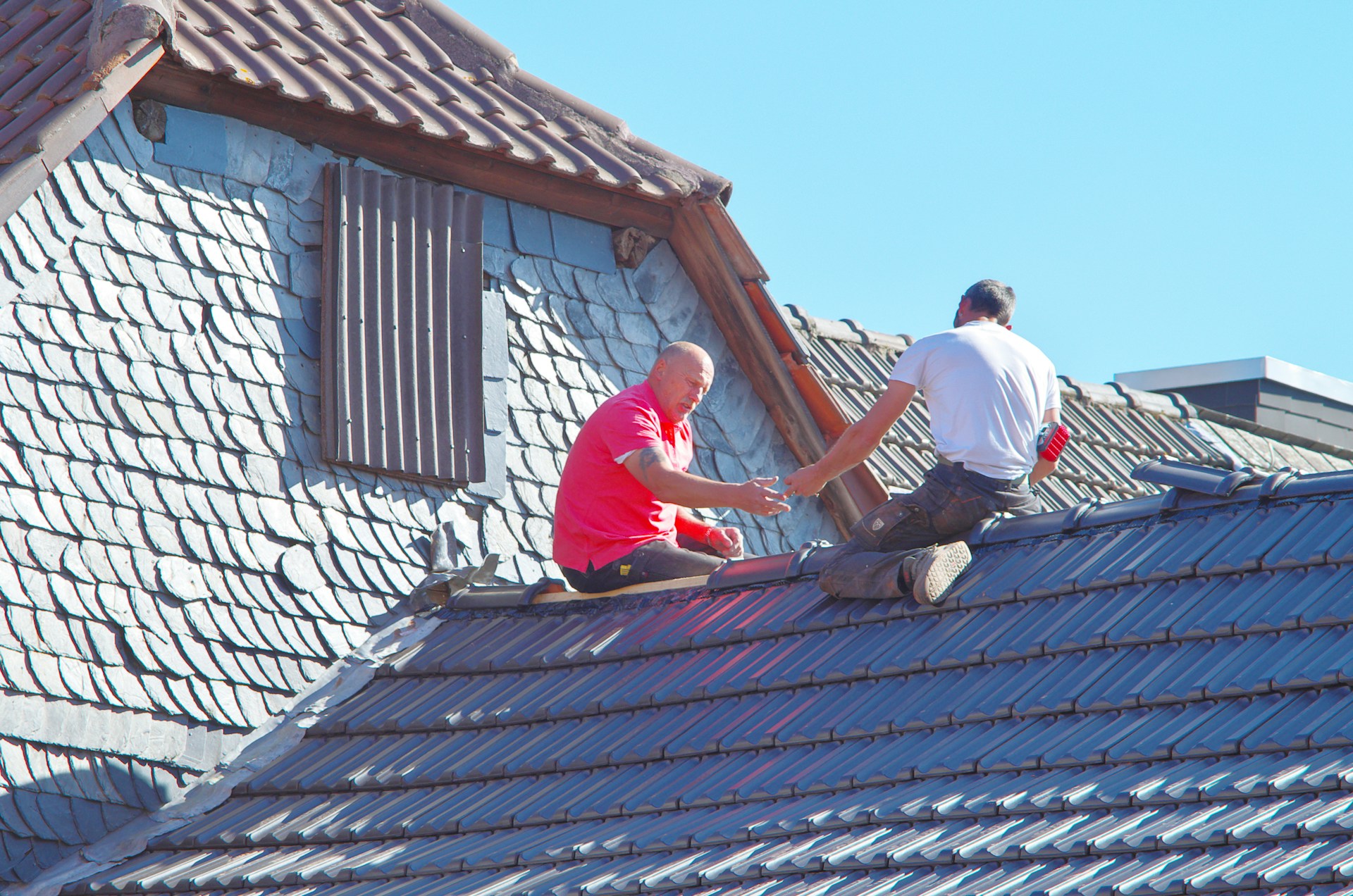
Your roof is one of the most valuable components of your home, both in terms of protection and property value. It shields your interior from rain, snow, wind, and harsh sunlight, day after day, year after year. But even the highest-quality roof won’t last forever without proper care. Neglecting maintenance can lead to leaks, mold growth, structural damage, and costly repairs that could have been avoided.
Why Roof Maintenance Matters for Longevity and Protection
Regular maintenance is the key to maximizing your roof’s performance and ensuring you get the longest possible service life out of it. From seasonal inspections to simple cleaning tasks, a proactive approach can prevent minor issues from escalating into major problems.
In this guide, we’ll cover essential maintenance steps that protect your roof, enhance its durability, and keep it looking its best
1. Schedule Regular Inspections
Professional roof inspections at least twice a year, typically in the spring and fall, are one of the best ways to catch problems early. A trained eye can spot damaged or curling shingles, worn flashing, clogged vents, or early signs of leaks that most homeowners would overlook. Inspections also allow roofers to assess your roof’s overall condition and make recommendations before minor wear turns into major, costly repairs. This preventative approach helps ensure your roof stays in peak condition year-round.
2. Keep Gutters and Downspouts Clear
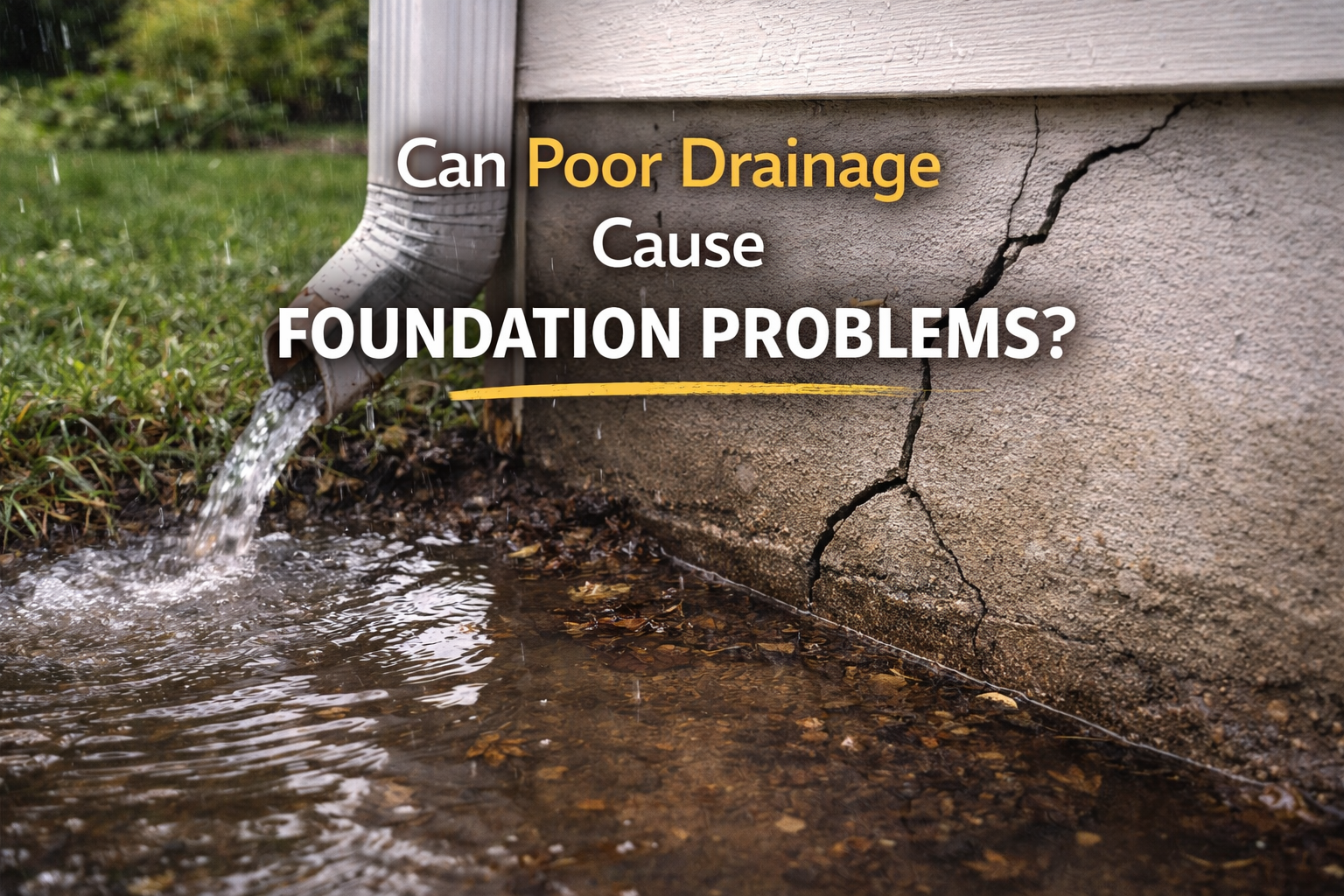
Clean, unobstructed gutters are essential for proper roof drainage. When gutters or downspouts get clogged with leaves, twigs, or dirt, water can back up under your roofing materials, leading to rot, mold, and leaks. Regular cleaning, especially after heavy storms or in the fall, keeps water flowing away from your home’s foundation and prevents costly water damage. For extra protection and reduced upkeep, consider installing gutter guards to block debris while still allowing water to pass through.
3. Remove Debris from the Roof Surface
A roof littered with branches, leaves, or dirt isn’t just unsightly, it can also cause long-term damage. Debris traps moisture against your shingles, creating the perfect environment for mold, moss, and rot to develop. Clearing your roof regularly helps maintain its appearance and functionality. Use a soft broom or leaf blower to remove debris safely; avoid pressure washers, as the high force can strip protective granules from shingles and reduce their lifespan.
4. Address Moss and Algae Growth Promptly
Moss and algae may seem harmless at first, but over time, they can degrade shingles and shorten your roof’s life by holding moisture against the surface. If you notice green or black streaks, take action immediately. A roof-safe moss remover can clean the surface without harming the materials. For long-term prevention, zinc or copper strips can be installed near the ridge line; rainwater will carry small amounts of metal down the roof, creating a natural deterrent against moss and algae growth.
5. Maintain Roof Flashing and Sealants
Flashing, thin metal pieces installed around chimneys, skylights, vents, and roof valleys, plays a critical role in keeping water out of your home. Over time, flashing can warp, rust, or loosen, and sealants can dry out or crack. Inspect these areas at least once a year and after major weather events. Replacing damaged flashing or reapplying sealant is a small task that can prevent major water intrusion and expensive structural repairs.
6. Trim Overhanging Tree Branches
Overhanging branches can pose multiple threats to your roof. During storms, they may break and fall onto your home, causing shingle or structural damage. Even without storms, branches can scrape your roof and wear away protective layers over time. Additionally, heavy shade can prevent the roof from drying after rain, encouraging moss growth. Trimming back trees not only prevents physical damage but also allows sunlight and airflow to naturally keep your roof drier and healthier.
7. Repair Minor Issues Immediately
A single missing shingle, loose flashing, or small leak might seem like a minor problem, but ignoring it can lead to significant water damage, insulation issues, and even compromised structural integrity. The longer you wait, the more extensive, and expensive, the repairs become. Addressing minor issues promptly ensures that your roof continues to protect your home without interruption, and it often costs a fraction of what major repairs would.
Conclusion
Extending the life of your roof isn’t complicated, it’s about taking small, consistent steps to prevent damage and protect your investment. Regular inspections, timely cleanings, and swift repairs can help you avoid costly replacements and ensure your roof remains strong for decades. Think of roof maintenance as more than just upkeep; it’s an essential part of preserving your home’s value, safety, and appearance.
FAQs
Roof inspections should be done twice a year, ideally in the spring and fall, to prepare for seasonal weather changes. Additional inspections are recommended after major storms to catch hidden damage before it worsens.
Homeowners can safely handle certain tasks, such as gutter cleaning or light debris removal, but it’s best to leave inspections and repairs to licensed professionals. They have the expertise and equipment to work safely and thoroughly.
Yes. Preventative maintenance prevents small issues, like a missing shingle or clogged gutter, from turning into major repairs, allowing your roof to reach or even exceed its expected lifespan.
Neglecting roof care can lead to leaks, mold growth, insulation damage, and even structural issues. These problems can cost thousands of dollars to repair and may require premature roof replacement.