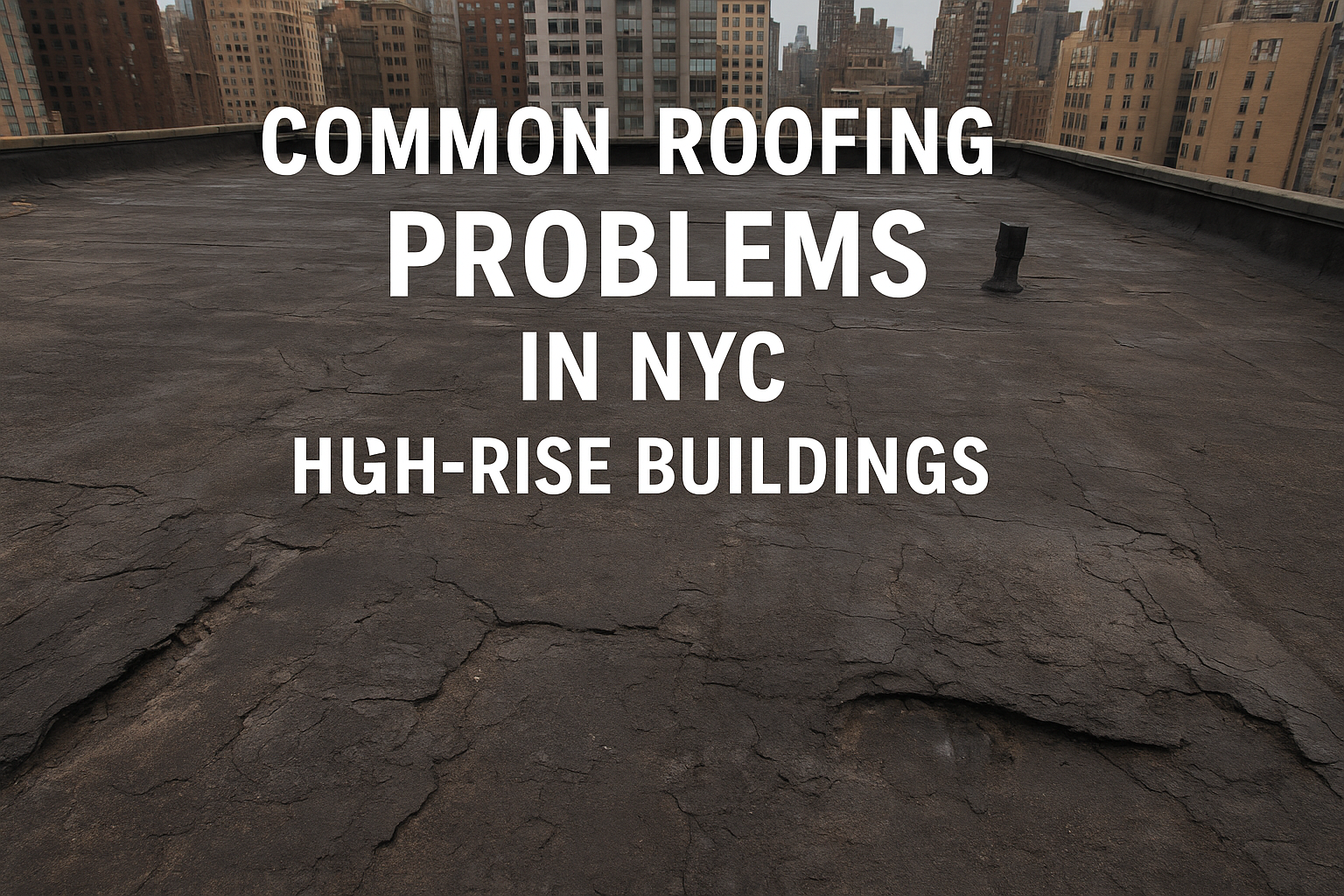
New York City’s skyline is a marvel of engineering, but maintaining those towering structures comes with unique challenges, especially when it comes to roofing. High-rise buildings face constant exposure to wind, pollution, temperature extremes, and heavy precipitation, all of which take a toll on even the best-constructed roofs.
From residential towers in Manhattan to office buildings in Brooklyn and Queens, property owners must stay vigilant about roof maintenance to avoid costly repairs and structural damage. In this guide, we’ll explore the most common roofing problems in NYC high-rise buildings, what causes them, and how to address them effectively.
The Challenges of High-Rise Roofing in NYC
Unlike traditional residential homes, high-rise buildings face much harsher environmental conditions. At higher elevations, wind speeds are stronger, UV exposure is greater, and temperature fluctuations are more severe. Additionally, NYC’s aging infrastructure means many roofs have been in place for decades, increasing the likelihood of wear and tear.
Roof access can also be complicated in tall buildings, making regular inspections and timely maintenance more challenging. Despite these obstacles, proactive upkeep is essential to protect both the structure and the residents or tenants below.
1. Wind Damage and Uplift
High winds are among the most common and damaging forces acting on high-rise roofs. When wind speeds exceed safe limits, they can create suction that lifts roofing membranes, shingles, or panels away from the surface.
Over time, this can lead to:
- Loose or missing sections of roofing material
- Water infiltration during rainstorms
- Compromised insulation and structural integrity
Properly securing roofing materials and using wind-resistant systems designed for high elevations can significantly reduce these risks.
2. Water Ponding and Drainage Issues
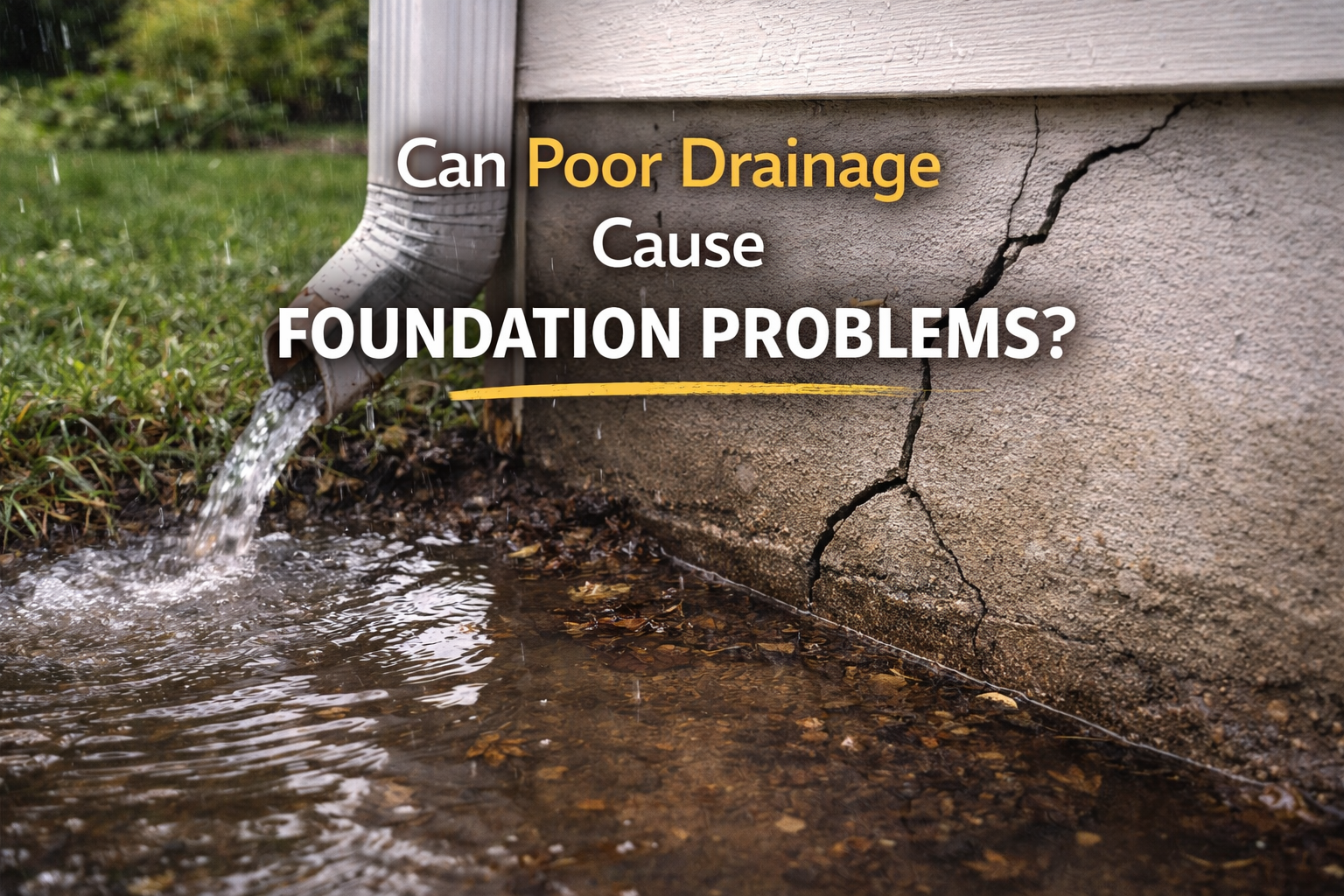
Flat or low-slope roofs, common in NYC high-rises, are particularly prone to water ponding, when rainwater collects in shallow pools due to poor drainage or surface unevenness. If not addressed, standing water can seep into the roof membrane, causing leaks, mold, and long-term deterioration.
To prevent this, ensure your roof has adequate slope and drainage systems, including clean scuppers, gutters, and downspouts. Regular maintenance can catch early signs of clogging or improper grading.
3. Thermal Expansion and Contraction
New York’s climate brings significant temperature variations between summer and winter. This causes roofing materials to expand and contract repeatedly, leading to cracks, splits, and weakened seams.
Membrane roofs, in particular, are vulnerable to thermal stress. Using high-quality, flexible materials like TPO or EPDM, along with proper installation techniques, can help mitigate damage from seasonal changes.
4. Roof Leaks and Moisture Infiltration
Leaks are one of the most frequent and costly problems for any building owner. In high-rises, even small leaks can cause major issues if they penetrate multiple layers of the building envelope. Common leak sources include:
- Damaged flashing around vents, skylights, and HVAC units
- Worn or punctured membranes
- Clogged drainage systems
Moisture infiltration not only damages insulation and interior finishes but can also lead to mold growth and structural corrosion. Regular inspections, ideally twice a year, are critical for identifying problem areas before they escalate.
5. HVAC-Related Roofing Issues
Most high-rise buildings have HVAC units and other mechanical systems installed directly on the roof. While necessary, this setup increases the risk of roof punctures, leaks, and vibration-related damage.
Technicians accessing these units can inadvertently damage the roofing surface, and condensate discharge from the equipment may accelerate deterioration if not properly managed. Installing protective walk pads and ensuring equipment is properly supported can help prevent unnecessary wear.
6. Debris Accumulation and Blocked Drains
NYC rooftops often collect debris, leaves, construction dust, and even trash carried by strong winds. When debris accumulates, it can block drainage systems, retain moisture, and add extra weight to the structure.
Scheduled roof cleaning and inspection, especially after storms, can prevent these blockages and extend the lifespan of the roof membrane.
7. UV and Pollution Damage
Urban environments like New York are full of pollutants that can accelerate roofing material degradation. Combined with intense UV radiation at higher elevations, this can cause fading, brittleness, and cracking over time.
Reflective roof coatings and UV-resistant membranes help minimize these effects while improving energy efficiency by reducing heat absorption.
8. Aging Roof Systems
Many NYC high-rises are decades old, meaning their roofing systems are nearing or past their expected lifespan. Aging materials lose elasticity, insulation breaks down, and previous repairs may no longer hold up.
If your roof is more than 20 years old or shows signs of persistent damage, a professional inspection can help determine whether repairs or a full replacement is the best long-term solution.
9. Improper Installation and Poor Maintenance
Even the best materials can fail if installed incorrectly. Inadequate sealing, insufficient fasteners, or poorly designed drainage systems can cause recurring issues. Likewise, neglecting routine maintenance can turn minor wear into major structural problems.
Working with certified roofing professionals experienced in high-rise construction ensures that installations meet NYC building codes and withstand the city’s demanding environment.
Conclusion
NYC high-rise buildings endure some of the harshest roofing conditions in the country. From relentless wind and weather to pollution and structural stress, every factor demands a proactive approach to maintenance.
The key to preventing costly repairs is early detection and regular inspection. Partnering with qualified roofing experts ensures your building’s roof remains watertight, energy-efficient, and structurally sound, protecting not only your investment but also the safety and comfort of everyone inside.