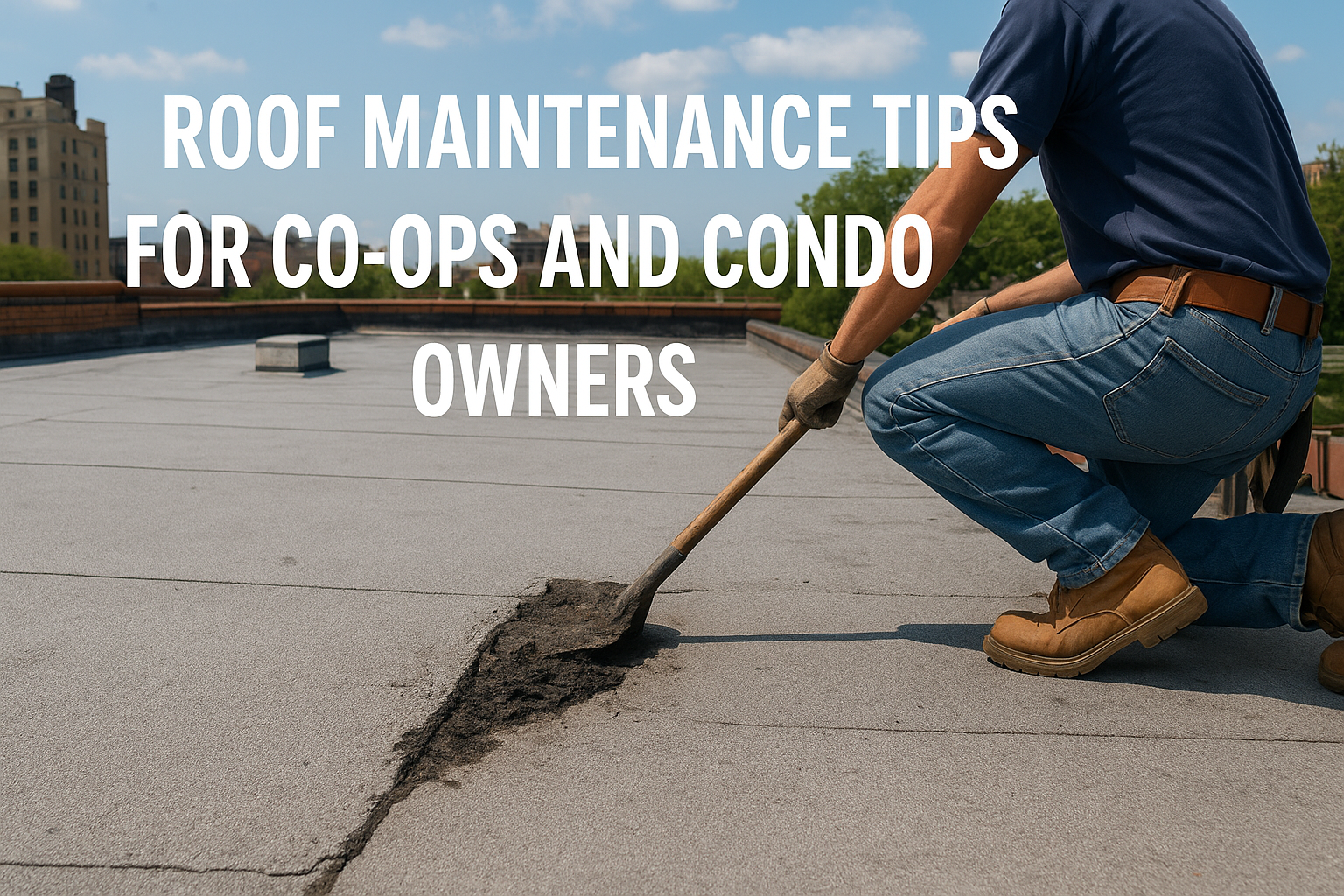
In New York City’s ever-changing climate, roof maintenance is one of the most crucial responsibilities for co-op boards and condo associations. From heavy snow in winter to scorching sun in summer, roofs in NYC face constant exposure to the elements. Regular upkeep not only prevents leaks and costly damage but also extends the lifespan of your building’s most vital protective structure.
Whether your property has a flat roof, a green roof, or a traditional sloped design, understanding the basics of roof maintenance can save your building thousands of dollars over time. Here are essential roof maintenance tips for co-ops and condo owners to ensure long-term performance, safety, and compliance with city regulations.
Essential Roof Care Strategies for NYC Properties
Proactive roof maintenance is far more cost-effective than emergency repairs. By addressing small issues early and maintaining proper inspection routines, property owners can keep their roofs watertight, energy-efficient, and visually appealing. Below are the top strategies to keep your NYC roof in peak condition year-round.
1. Schedule Regular Roof Inspections
Routine inspections are the foundation of effective roof maintenance. Co-op and condo boards should schedule professional inspections at least twice a year, once in the spring and again in the fall, and after major storms.
Inspectors check for cracks, punctures, loose flashing, and blocked drains. Early detection of issues like ponding water or damaged membranes prevents larger, more expensive repairs later on. Always document findings and maintenance actions for building management records.
2. Keep Roof Drains and Gutters Clear
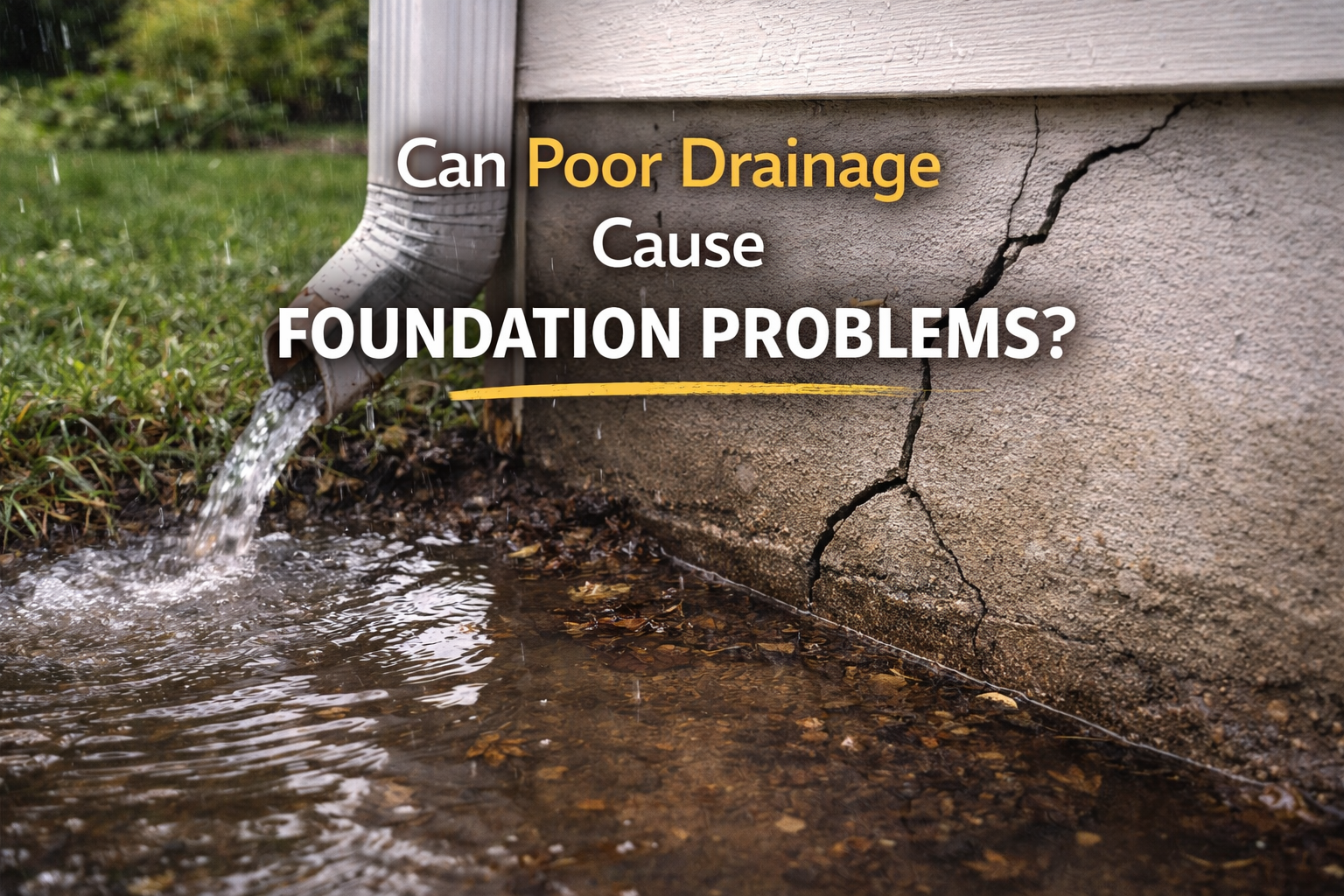
New York’s falling leaves, debris, and urban dust can clog roof drains and gutters quickly. Blocked drainage systems lead to standing water, which adds stress to the roof and accelerates material deterioration.
Regular cleaning, especially before and after winter, ensures water flows freely and reduces the risk of leaks and roof collapse. Installing protective screens or leaf guards can also minimize blockages and reduce cleaning frequency.
3. Repair Minor Leaks Immediately
Even the smallest leak can cause significant structural damage if ignored. Water infiltration weakens insulation, stains ceilings, and promotes mold growth.
If residents report damp spots or water stains on upper floors, act quickly. Hire a licensed roofing contractor to locate and seal leaks using high-quality waterproofing materials. Quick intervention not only preserves the roof’s integrity but also protects the building’s overall structure.
4. Maintain HVAC and Roof Equipment Properly
Many NYC rooftops house HVAC units, vents, and other mechanical systems. Improper installation or maintenance of this equipment can damage the roof surface.
Ensure all equipment is placed on protective pads and that service technicians avoid leaving debris, tools, or sharp objects behind. Regularly check seals around vents, fans, and exhausts to prevent leaks caused by wear and tear.
5. Address Ponding Water and Drainage Issues
Flat roofs are particularly vulnerable to ponding water, a common issue in NYC buildings. Standing water left for more than 48 hours can deteriorate membranes and lead to leaks.
To prevent this, maintain proper slope design and inspect internal drains frequently. In some cases, installing additional drains or a tapered insulation system can permanently resolve ponding problems.
6. Inspect Flashing and Seals
Flashing, the metal or rubber material used around roof edges, chimneys, and vents, plays a vital role in preventing water infiltration. Over time, flashing can crack or pull away due to temperature fluctuations and movement.
Inspect all flashing regularly and reseal joints as needed with compatible roofing sealant. This simple step helps protect against one of the most common causes of roof leaks in NYC buildings.
7. Clean and Maintain Roof Surfaces
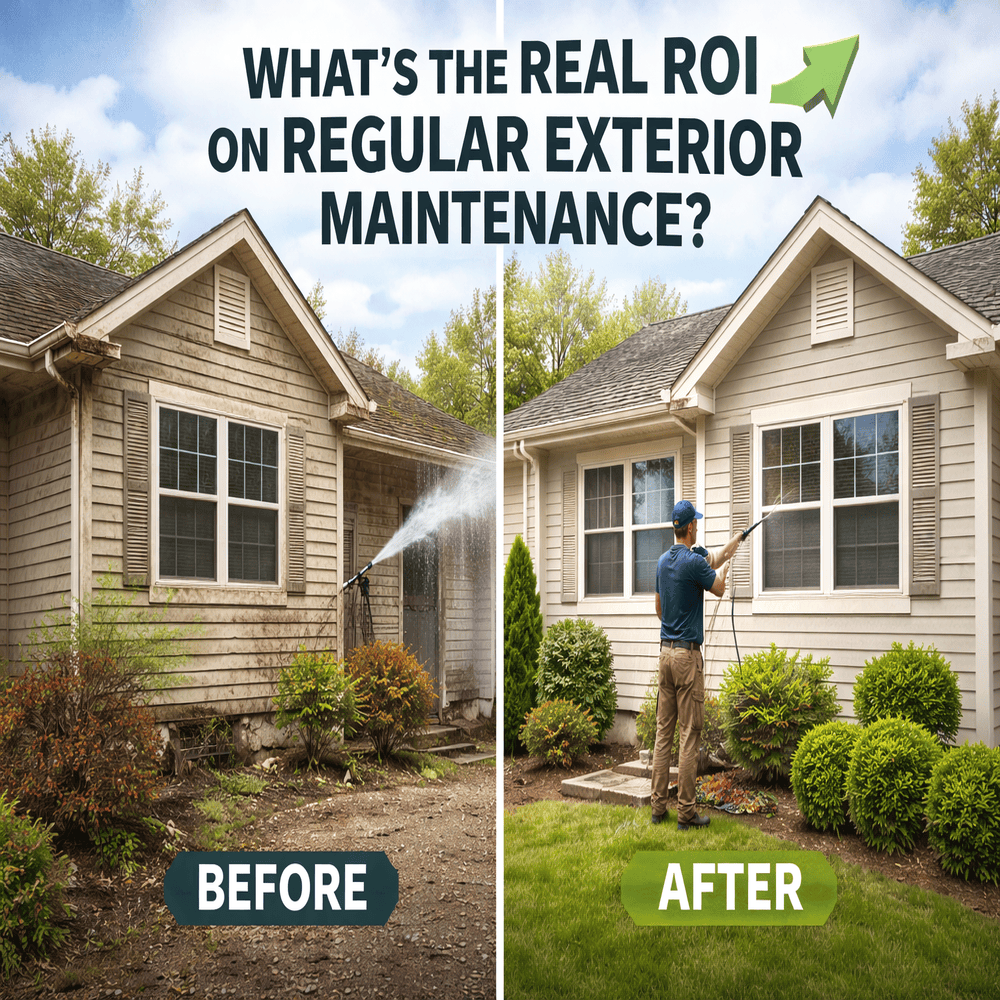
Dirt, moss, and algae buildup not only make roofs look neglected but can also trap moisture and degrade materials. Schedule gentle cleaning or soft washing to remove organic growth and pollution residue. Avoid harsh pressure washing, which can damage membranes or flashing.
Clean roofs reflect more sunlight, improving energy efficiency and extending material life, especially important for reflective or cool roofs.
8. Ensure Proper Insulation and Ventilation
A well-insulated and ventilated roof helps regulate indoor temperature, reduces energy costs, and prevents moisture buildup that can lead to mold or material decay.
During inspections, check for insulation gaps and ensure vents are unobstructed. In multi-story co-ops and condos, maintaining a consistent roof temperature helps prevent ice dams in winter and heat-related damage in summer.
9. Keep Detailed Maintenance Records
Document every inspection, repair, and maintenance activity. These records serve as valuable evidence during warranty claims, insurance inspections, or NYC Department of Buildings (DOB) evaluations.
Maintaining organized logs also helps future property managers and boards continue consistent care practices without missing crucial maintenance cycles.
10. Hire Qualified Roofing Professionals
Roofing in NYC is subject to strict safety and building codes. Always hire licensed, insured, and certified contractors familiar with local regulations and high-rise safety requirements.
Professional roofers can provide expert guidance, accurate diagnostics, and compliant solutions tailored to your specific roof type, whether it’s TPO, EPDM, asphalt, or metal. Avoid DIY repairs or unlicensed contractors, as improper work can void warranties or lead to costly violations.
Conclusion
For co-op and condo owners in New York City, roof maintenance is an investment in long-term property value and resident safety. Regular inspections, timely repairs, and preventive care can prevent minor issues from escalating into major structural problems.
A well-maintained roof not only shields the building from weather and pollution but also enhances energy efficiency and aesthetic appeal. Partnering with trusted roofing professionals ensures your property stays protected, compliant, and ready to face NYC’s demanding climate for years to come.