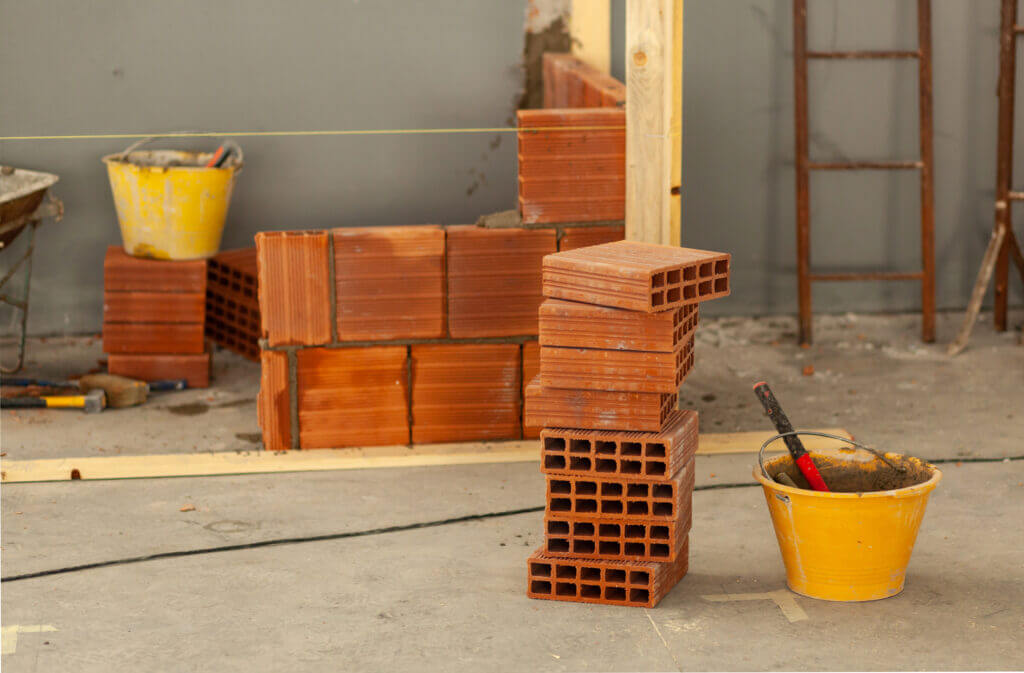
Brickwork gives homes both beauty and strength, making it one of the most reliable exterior finishes. Over time, however, exposure to weather, moisture, and everyday wear can cause damage if not addressed properly. Cracked bricks, eroding mortar, and staining are all common issues that reduce both the appearance and stability of a structure. With regular upkeep and timely repairs, you can preserve your brickwork for decades, ensuring it remains as durable as it is timeless.
Practical Tips for Brickwork Maintenance and Repair
Taking care of brickwork may seem overwhelming, but consistent maintenance is far easier than dealing with major restoration later. By following these essential tips, you can protect your home’s exterior, extend its lifespan, and maintain its striking appearance year after year.
1. Inspect Brickwork Regularly
Inspect your brickwork at least twice a year to identify early signs of damage. Look closely for cracks, loose bricks, or mortar that has started crumbling. Pay extra attention to areas around windows, chimneys, and foundations since they often show wear first. Detecting problems early allows you to carry out small fixes before they turn into expensive, large-scale repairs.
2. Clean Brickwork Gently
Over time, brick surfaces collect dirt, moss, algae, and pollution stains. Use a garden hose and a soft-bristled brush to wash away buildup. For more stubborn stains, apply a mild detergent or a brick-safe cleaning solution. Always avoid harsh chemicals or pressure washers, which can erode the surface and damage mortar joints. Cleaning regularly not only keeps your brickwork looking sharp but also prevents substances from weakening the structure.
3. Repoint Mortar Joints When Needed
Mortar joints hold bricks firmly in place, but they wear down faster than the bricks themselves. If you notice mortar cracking, crumbling, or falling out, it is time to repoint. This process involves removing damaged mortar and replacing it with fresh material that bonds the bricks securely. Proper repointing not only restores strength but also improves the weather resistance of your walls.
4. Repair Damaged Bricks Promptly
Damaged or spalling bricks let moisture seep inside, leading to bigger structural problems. If you find a cracked brick, remove it carefully with a chisel, clean the cavity, and replace it with a new one using mortar. Prompt brick replacement prevents further spreading of cracks and keeps the wall solid. Addressing these small repairs quickly saves both money and effort in the long run.
5. Seal Brickwork for Extra Protection
Moisture is one of brick’s biggest enemies. Applying a breathable sealant protects the surface from water infiltration, staining, and frost damage while still allowing the wall to release trapped vapor. Reapply sealant every few years depending on your climate and exposure. This simple step greatly enhances durability and adds years to your brickwork’s life.
6. Keep Water Away from Brick Surfaces
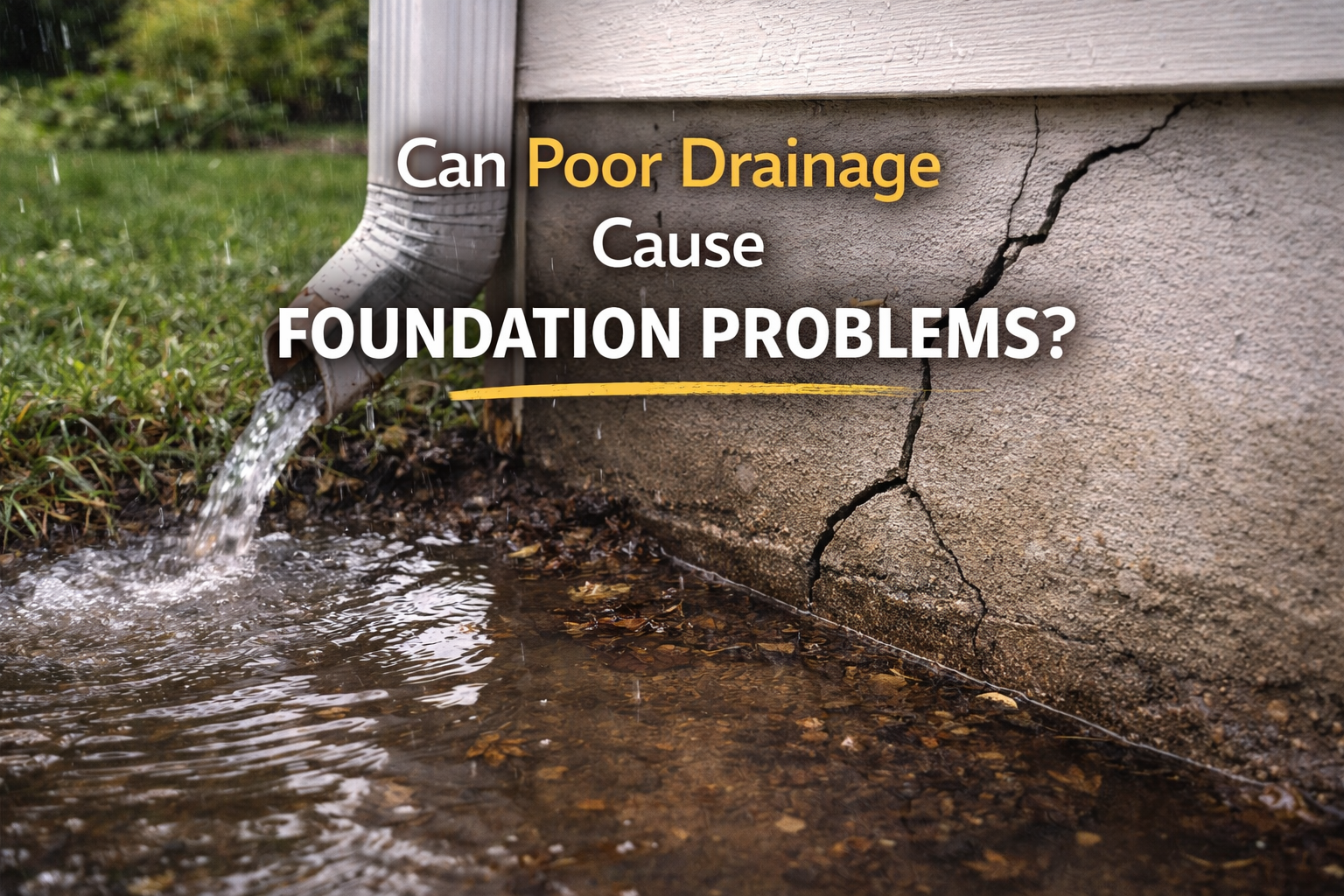
Make sure your home’s gutters, downspouts, and drainage systems are functioning properly. Redirect water away from brick walls to prevent saturation and staining. Trim nearby plants and trees so they do not trap moisture against the surface. Controlling water flow is one of the most effective ways to prevent long-term damage.
7. Hire Professionals for Major Repairs
Some repairs are best left to professionals, especially when dealing with large cracks, structural damage, or extensive repointing. Expert masons have the tools and experience to match the color, texture, and style of your existing brickwork, ensuring a seamless finish. Hiring specialists may cost more upfront, but it guarantees lasting results and preserves the beauty of your home.
Conclusion
Brickwork remains one of the most resilient and attractive building materials, but it performs best with proper care. By inspecting regularly, cleaning gently, sealing surfaces, and repairing promptly, you ensure both durability and curb appeal. Small, consistent efforts in maintenance save you from costly repairs later and keep your home standing strong for generations.