
Concrete discoloration frustrates property owners more than almost any other surface issue. One day the slab looks uniform and clean. The next, it shows blotches, streaks, dark patches, white residue, or uneven tones that refuse to fade. These problems appear on driveways, patios, walkways, basement floors, and commercial slabs across residential and urban properties.
Many people assume discoloration is purely cosmetic. In reality, color changes often signal deeper issues involving moisture movement, curing conditions, installation errors, or environmental exposure. Without proper diagnosis, attempts to clean or cover the problem often make it worse.
This blog breaks down how to identify the root cause of concrete discoloration and explains effective, long-term solutions that restore appearance while protecting structural integrity.
Concrete Discoloration Develops from Multiple Interacting Factors
Concrete rarely discolors for a single reason. Most problems develop from a combination of moisture, chemistry, surface exposure, and installation conditions. Understanding these variables prevents trial-and-error fixes that waste time and money.
Concrete is porous by nature. It absorbs water, minerals, salts, and contaminants from its surroundings. Once absorbed, these elements migrate through the slab and alter surface color over time. The final appearance depends on how the slab cures, breathes, and reacts to its environment.
Discoloration patterns provide valuable clues. The location, texture, and color variation often reveal what went wrong and how to fix it.
Identifying the Type of Discoloration Before Taking Action
Successful repair starts with accurate identification. Treating all discoloration the same way leads to inconsistent results.
Dark stains often indicate moisture retention, organic growth, or oil contamination. White or powdery residue usually points to efflorescence caused by mineral movement. Yellowing or brownish patches can signal rusting reinforcement or chemical reactions in the concrete mix.
Uneven coloring across large areas may result from inconsistent curing, poor finishing techniques, or varying moisture levels beneath the slab. Spotting these differences early prevents permanent damage.
Visual inspection should always come before cleaning or sealing.
Moisture Intrusion Is the Most Common Cause
Water drives most concrete discoloration problems. It enters from below through soil vapor, from above through rain and snow, or from the sides through poorly sealed joints.
When moisture travels through concrete, it carries minerals, salts, and contaminants to the surface. As the water evaporates, these substances remain behind, altering color and texture.
Dark patches often appear in low spots where water pools. Persistent dampness also encourages mold and algae growth, especially in shaded or poorly ventilated areas.
Without addressing moisture pathways, surface treatments only mask the problem temporarily.
Efflorescence Signals Active Moisture Movement
Efflorescence appears as a white, chalky film on concrete surfaces. It forms when water dissolves soluble salts inside the slab and transports them to the surface.
This condition does not mean the concrete is failing structurally, but it does indicate ongoing moisture movement. Simply washing it away without stopping moisture flow guarantees it will return.
Efflorescence often develops on newly installed concrete, but it can also appear years later due to changes in drainage, landscaping, or waterproofing systems.
Proper diagnosis distinguishes harmless surface deposits from deeper moisture issues.
Improper Curing Creates Permanent Color Variations
Concrete curing controls strength, durability, and appearance. When curing conditions vary across a slab, color inconsistencies become locked into the surface.
Rapid drying caused by wind, heat, or direct sunlight prevents uniform hydration. Areas that dry too fast cure lighter, while slower curing sections appear darker.
Inconsistent curing compounds or uneven water application further disrupt color uniformity. Once these variations are set, they cannot be fully reversed through cleaning alone.
Prevention remains the most effective solution, but correction techniques can still improve appearance.
Chemical Reactions Alter Surface Pigments
Concrete reacts chemically with substances it contacts. Fertilizers, de-icing salts, cleaning agents, and industrial chemicals can trigger discoloration.
Rust stains develop when metal elements oxidize and leach into the slab. Acidic substances etch the surface, changing texture and light reflection. Alkaline reactions can bleach pigments or cause uneven fading.
Understanding what the concrete has been exposed to helps identify the most effective treatment method. Neutralizing the reaction prevents further damage.
Organic Growth Changes Color Over Time
Mold, algae, and mildew thrive in damp, shaded environments. These organisms attach to concrete pores and alter surface color.
Green, black, or brown staining often signals biological growth rather than chemical damage. Pressure washing alone may remove surface growth but leave roots embedded in the pores.
Effective removal requires targeted cleaning solutions that kill spores and prevent regrowth. Improving drainage and airflow reduces recurrence.
Ignoring organic growth allows discoloration to deepen and spread.
Diagnosing Discoloration Requires More Than Surface Cleaning
Many homeowners immediately attempt aggressive cleaning, which can worsen discoloration. Pressure washing can drive moisture deeper into the slab, intensifying mineral migration.
Chemical cleaners may react with existing compounds, causing new stains or etching. Abrasive methods alter surface texture, making discoloration more noticeable.
Professional diagnosis considers moisture levels, environmental exposure, slab history, and material composition before recommending treatment.
Proper testing saves time and prevents irreversible damage.
Effective Cleaning Techniques Depend on the Cause
Not all discoloration responds to the same cleaning method. Mild efflorescence may disappear with gentle brushing and water. Stubborn mineral deposits require specialized cleaners designed for concrete surfaces.
Oil and grease stains respond best to degreasers that penetrate pores and lift contaminants. Organic growth requires biocidal treatments that eliminate spores rather than just surface residue.
Using the wrong cleaner risks spreading stains or altering the concrete finish permanently.
Surface Treatments Restore Appearance When Cleaning Falls Short
When discoloration penetrates deeper into the slab, surface treatments offer effective solutions.
Concrete resurfacing evens out color while repairing minor surface imperfections. Stains and dyes penetrate the surface and create uniform, controlled color tones. Sealers enhance appearance while protecting against future discoloration.
Each option serves a different purpose. Selection depends on traffic levels, exposure conditions, and desired appearance.
Professional application ensures consistent results and long-term performance.
Sealing Plays a Critical Role in Prevention
Once discoloration is corrected, sealing becomes essential. Sealers limit moisture penetration, block contaminants, and stabilize surface color.
Penetrating sealers preserve natural appearance while enhancing resistance. Film-forming sealers create a protective layer that adds sheen and uniformity.
Sealing does not eliminate all moisture movement, but it significantly reduces the rate at which discoloration develops.
Routine resealing extends surface life and maintains visual consistency.
Structural Issues Sometimes Drive Persistent Discoloration
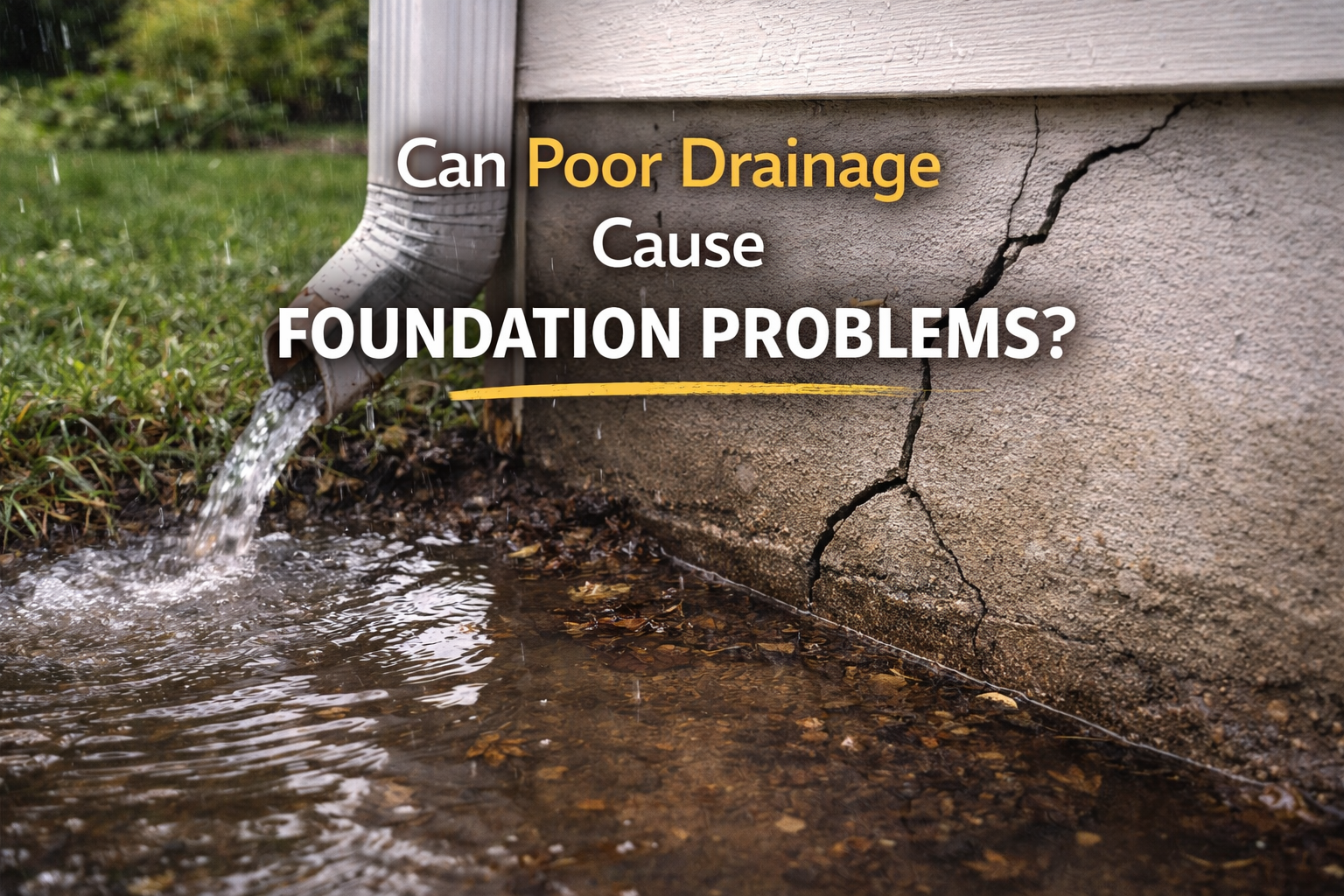
Recurring discoloration may signal underlying problems such as poor drainage, slab settlement, or failed waterproofing.
Water pooling near foundations or beneath slabs increases moisture pressure. Cracks allow contaminants to enter more easily. In these cases, surface treatments alone will not solve the issue.
Addressing grading, drainage, and joint integrity stops discoloration at its source.
Long-term success depends on correcting both surface and structural contributors.
Preventive Maintenance Keeps Color Stable
Concrete benefits from regular care. Periodic cleaning removes contaminants before they penetrate. Inspections identify early warning signs such as damp spots or surface residue.
Avoid harsh chemicals and excessive pressure. Use products designed specifically for concrete surfaces.
Preventive maintenance costs far less than corrective restoration and preserves appearance for years.
Concrete Discoloration Is Fixable with the Right Approach
Discoloration does not mean replacement is inevitable. With accurate diagnosis and targeted solutions, most concrete surfaces can regain uniform appearance and improved durability.
Rushing to cover stains without understanding the cause leads to repeat problems. Thoughtful evaluation delivers lasting results.
Concrete tells a story through its surface. Reading that story correctly determines the outcome.
If your concrete surfaces show staining, uneven coloring, or recurring discoloration, addressing the issue early protects both appearance and performance. Professional evaluation identifies the root cause and applies the right solution before damage spreads.
Contact a concrete restoration specialist today to assess your surfaces, correct discoloration properly, and extend the life of your concrete investment with confidence.