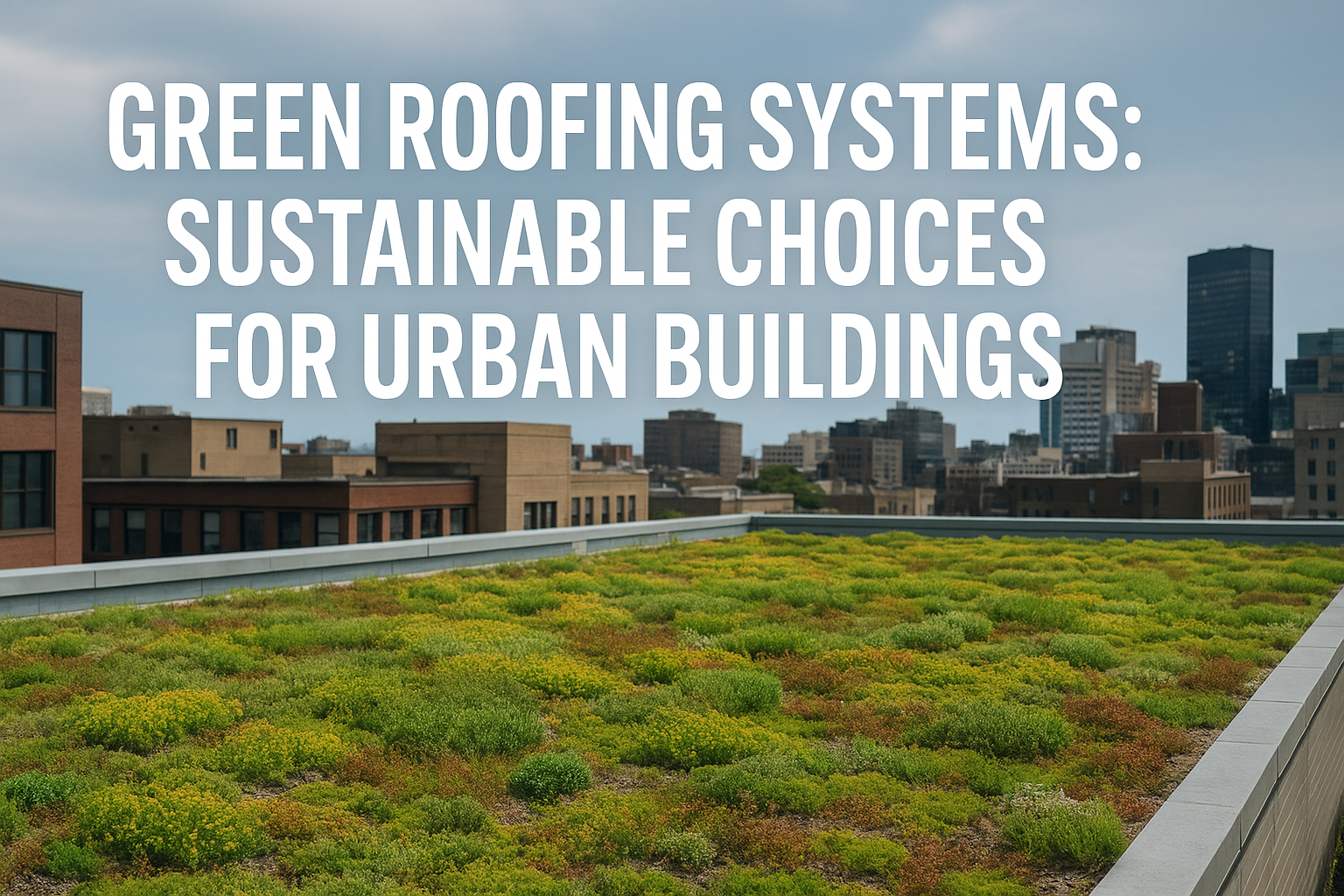
New York City’s dense urban landscape makes sustainable building choices more important than ever. Green roofing systems have become a leading solution for property owners looking to improve energy efficiency, reduce environmental impact, and enhance the long term resilience of their buildings. From residential brownstones to commercial high rises, green roofs offer practical and eco-friendly benefits that directly address NYC’s climate challenges.
Key Sustainable Green Roofing Options for NYC Urban Properties
Below are the top sustainable roofing systems that help urban buildings perform better, last longer, and contribute positively to their surroundings.
1. Extensive Green Roofs for Low Maintenance Sustainability
Extensive green roofs are lightweight systems designed with shallow soil layers and hardy, drought resistant vegetation. They place minimal structural load on buildings, making them ideal for many NYC rooftops, including older brownstones and multi family properties. These systems help regulate indoor temperatures, decrease stormwater runoff, and improve air quality. Since they require very little upkeep, they are a popular choice for property owners seeking sustainable solutions without high maintenance demands.
2. Intensive Green Roofs that Function Like Rooftop Gardens
Intensive green roofs incorporate deeper soil and support a wide variety of plants, shrubs, and even small trees. They create true rooftop gardens that can be used as functional outdoor spaces for residents or employees. Although they require a stronger structural foundation and more maintenance than extensive systems, intensive green roofs offer unmatched aesthetic appeal. They provide insulation, expand usable outdoor space, and contribute to biodiversity within densely populated neighborhoods.
3. Semi Intensive Green Roofs for Balanced Performance
A semi intensive green roof blends features from both extensive and intensive systems. With moderate soil depth and plant diversity, it offers more visual interest than an extensive roof while remaining lighter and easier to maintain than a full intensive roof. This hybrid solution is well suited for NYC buildings that want a green roof with a more customized plant palette but have structural limitations that prevent larger installations.
4. Modular Green Roofing Systems for Flexibility
Modular green roofing systems use pre grown trays filled with plants and soil that can be lifted, rearranged, or replaced as needed. These systems are ideal for buildings requiring easy installation or future modifications. Modular roofs minimize disruption to the existing structure and allow simple access to the waterproofing layer below. Their versatility makes them a strong choice for both residential and commercial properties seeking long term sustainability with flexible upkeep.
5. Blue Green Roofs for Stormwater Management
Stormwater management is a critical issue in New York City. Blue green roofs address this concern by combining vegetation with water storage layers. These systems store rainwater temporarily and release it slowly, reducing strain on city drainage systems during heavy storms. Blue green roofs help prevent flooding, support plant growth, and improve energy performance. They are especially valuable in neighborhoods where flooding and sewer overflow are recurring issues.
6. Solar Green Roofs for Combined Energy and Environmental Benefits
Solar green roofs merge two sustainable technologies: photovoltaic panels and planted roof systems. Vegetation helps keep rooftop temperatures lower, which improves solar panel efficiency. Meanwhile, solar panels provide shading that supports plant health. This symbiotic design reduces energy bills and supports renewable energy goals. In a city striving for reduced carbon emissions, solar green roofs offer both environmental and financial advantages.
7. Biodiverse Green Roofs to Support Urban Ecology
Biodiverse green roofs are designed to attract pollinators, birds, and beneficial insects. They use native plant species and varied planting layers to mimic natural habitats. These roofs play an important role in improving biodiversity in urban settings where green spaces are limited. For NYC buildings looking to contribute to local ecology while enhancing the visual appeal of their roof, biodiverse solutions offer an impactful choice.
Conclusion
Green roofing systems offer a smart and sustainable path for urban buildings in NYC. Whether the goal is improved insulation, stormwater control, added green space, or reduced energy consumption, there is a green roof design that fits the needs of every property. By choosing the right system and investing in proper installation, building owners can contribute to a greener city while enhancing their property’s long term performance and value.