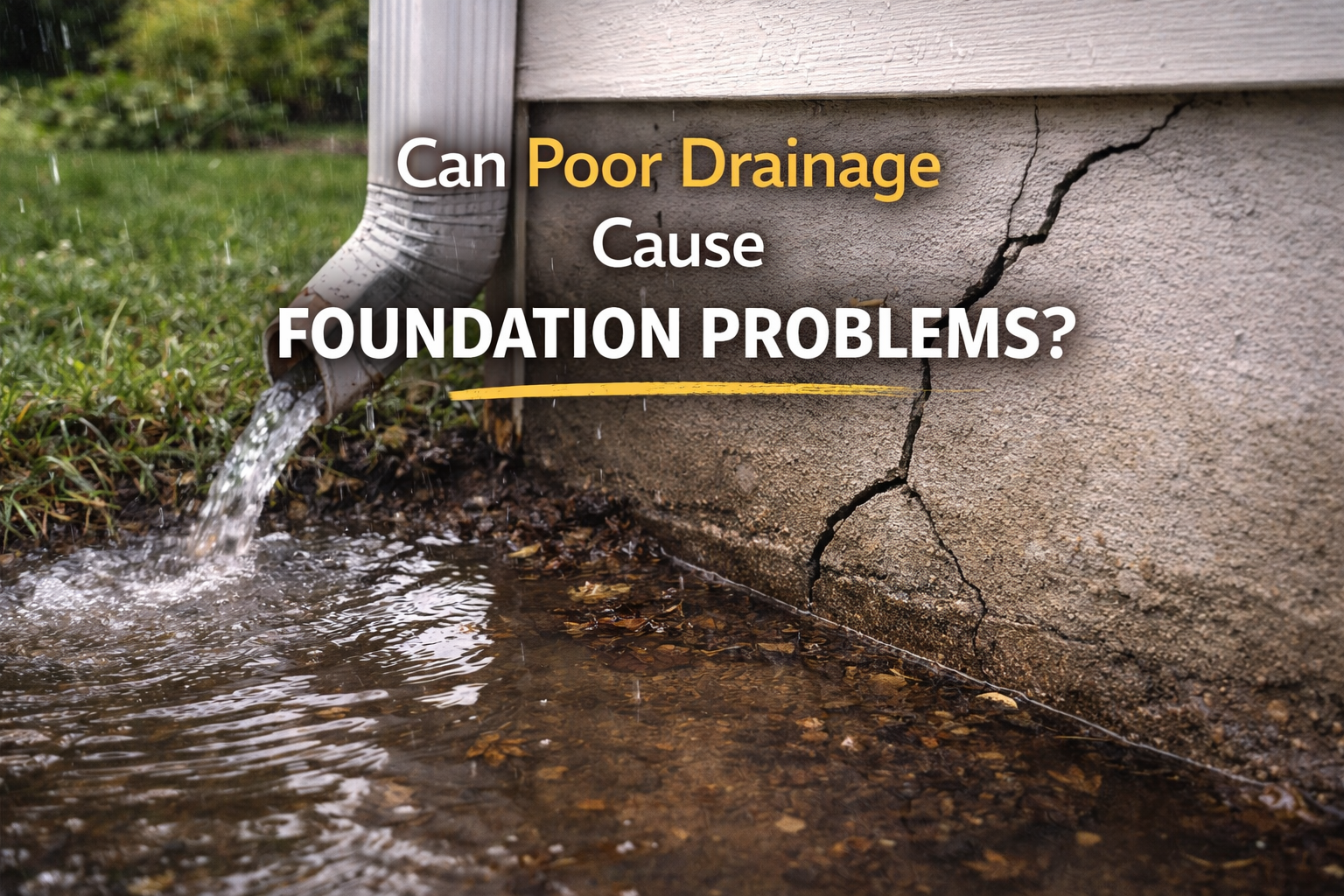
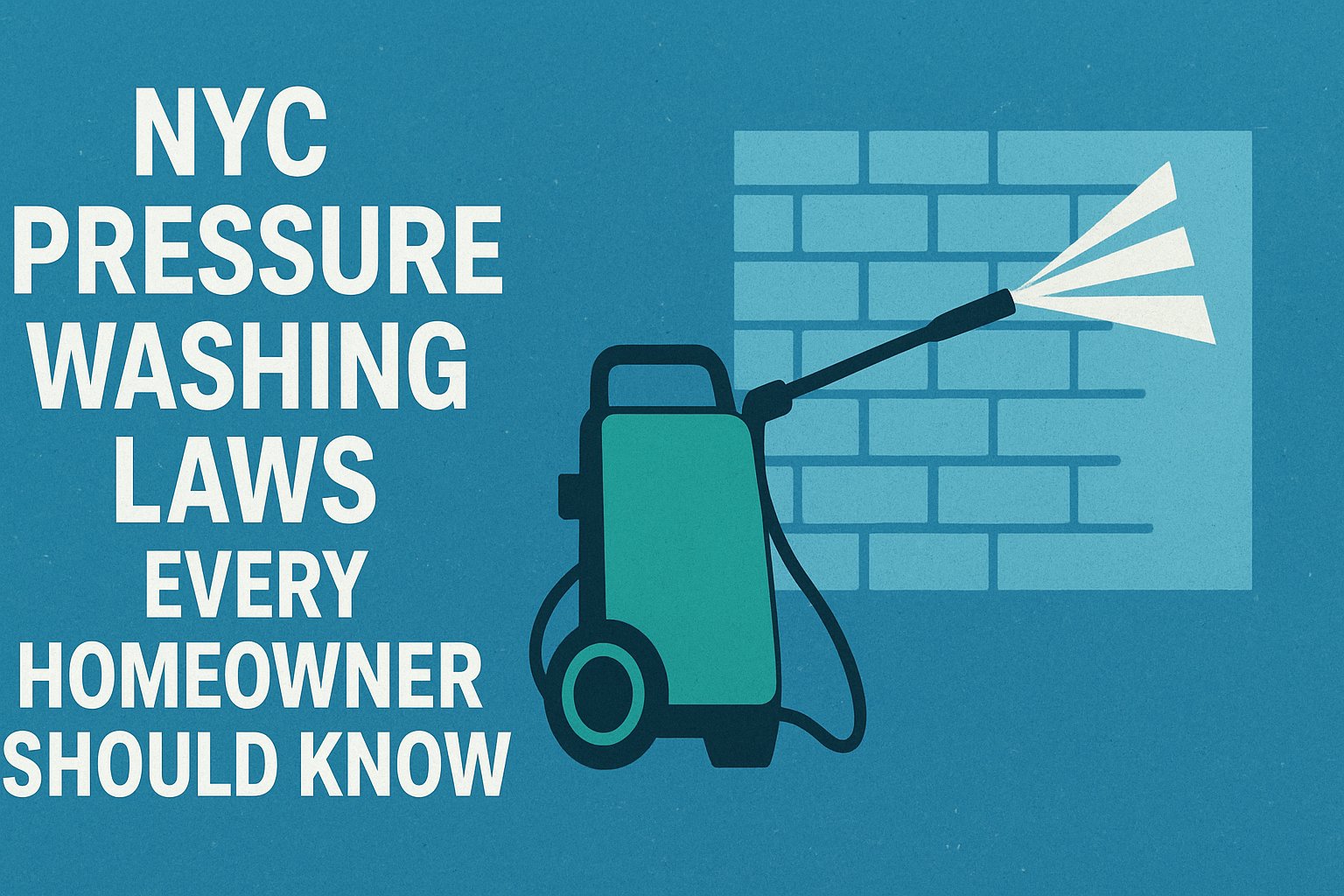
Pressure washing is an effective way to maintain NYC homes, but the city has strict rules around water use, runoff control, noise, equipment, and environmental safety.
Top NYC Pressure Washing Laws Homeowners Must Follow
Understanding these laws helps homeowners avoid fines, protect their property, and ensure cleaning work does not harm public spaces or neighboring buildings.
1. Mandatory Runoff Control To Prevent Contaminated Water Entering Drains
NYC requires all pressure washing runoff to be contained. Dirty water mixed with detergents, oils, paint chips, or biological growth cannot enter storm drains. Homeowners must use barriers, vacuum recovery systems, or collection mats. This regulation protects waterways and prevents harmful chemical discharge.
2. EPA Approved Detergents Only for Exterior Cleaning
If detergents are used during pressure washing, they must be biodegradable and compliant with EPA guidelines. Harsh chemicals are prohibited because they damage soil, landscaping, and drainage systems. In many cases, contractors must provide proof of product safety upon request.
3. Restrictions on Water Use and Mandatory Conservation Practices
2025 rules emphasize water conservation throughout NYC. Homeowners and contractors must ensure equipment is efficient and prevents unnecessary waste. Using high efficiency washers, automatic shutoff systems, and low flow nozzles is recommended to stay compliant with updated conservation standards.
4. Noise Limit Regulations During Residential Cleaning Hours
NYC noise codes apply to pressure washing equipment. Work must be performed within permitted hours, typically late morning to early evening depending on neighborhood guidelines. Violating noise limits can lead to complaints, citations, and fines, especially in dense residential zones.
5. Lead and Paint Debris Containment for Pre 1978 Homes
Any building constructed before 1978 may contain lead based paint. Pressure washing that disturbs peeling paint requires strict containment measures. Tarps, catch systems, and proper debris disposal are legally required. Homeowners are responsible for ensuring safe handling under both NYC and EPA lead safety rules.
6. Contractor Licensing and Insurance Requirements
If homeowners hire a contractor, they must choose one who carries proper NYC permits and liability insurance. Licensed contractors are trained in local laws, environmental compliance, and safe washing procedures. Hiring unlicensed workers can result in fines for both parties.
7. Prohibition of High Pressure Washing on Certain Historic Materials
NYC Landmarks Preservation Commission restricts high pressure washing on historic brick, brownstone, terracotta, and limestone. Only gentle, low pressure or steam cleaning is allowed to avoid surface damage. Homeowners in landmark districts must follow these guidelines to protect historic fabric.
8. Proper Disposal of Collected Wastewater and Debris
All captured wastewater must be disposed of through approved sanitary systems, not public storm drains. Solid debris including paint flakes, mold, and sediment must be bagged and sealed according to sanitation department rules. Proper disposal protects public health and keeps homeowners compliant.
Conclusion
For NYC’s pressure washing laws focus on environmental protection, safety, and preservation of historic materials. By following runoff rules, using approved detergents, managing noise, and ensuring proper disposal, homeowners can maintain their property without risking fines or legal issues. Staying informed keeps your home looking clean while supporting a safer and more sustainable city.