Stucco has been a defining feature of New York City’s residential architecture for decades, adorning everything from classic townhouses and brownstones to contemporary apartment buildings. Its timeless appeal, durability, and ability to adapt to different architectural styles make it a popular choice for NYC homeowners.
However, New York’s unpredictable weather, from humid summers to freezing winters, can take a toll on stucco exteriors. Without regular maintenance, even small cracks or moisture issues can lead to costly damage over time. To preserve your home’s beauty and structural integrity, it’s essential to know how to maintain and repair stucco walls effectively in the city’s changing climate.
Top Maintenance Tips for Stucco Walls in NYC
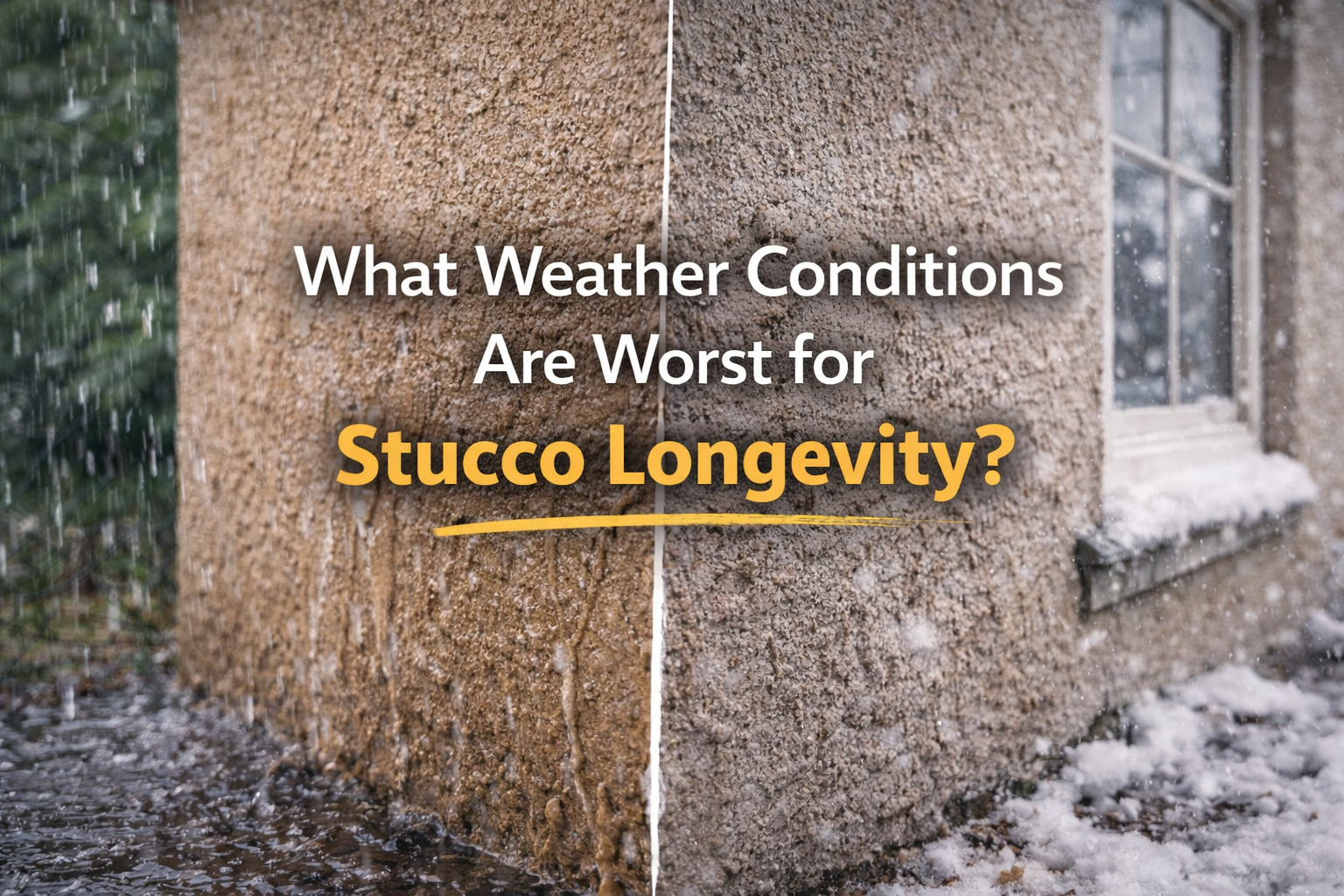
Stucco is a breathable yet porous material made from cement, sand, lime, and water. While this composition allows it to expand and contract with temperature changes, it also makes it vulnerable to moisture infiltration and freeze-thaw cycles.
Understanding these risks is the first step to preventing damage and keeping your stucco walls looking pristine year-round.
1. Inspect Regularly for Cracks and Damage
Perform a thorough visual inspection of your stucco walls at least twice a year, ideally in spring and fall. Look for small hairline cracks, chips, or discoloration, especially around windows, doors, and rooflines where water tends to collect.
Addressing minor issues early prevents larger problems down the road. Small cracks can be easily sealed, while larger ones may require professional patching or resurfacing.
2. Keep Stucco Clean
New York’s air pollution, dirt, and grime can quickly dull stucco’s appearance. Cleaning your exterior once or twice a year helps maintain its color and texture.
Use a soft-bristle brush and mild detergent mixed with water for routine cleaning. For stubborn stains or mildew, use a stucco-safe cleaner or diluted vinegar solution. Avoid high-pressure washing, as it can damage the surface and force water into cracks.
3. Seal and Repaint When Necessary
Stucco naturally absorbs moisture, so applying a breathable masonry sealer helps repel water while allowing trapped vapor to escape. This prevents cracking and efflorescence (white salt deposits).
If your stucco is painted, use elastomeric paint, a flexible coating that expands and contracts with temperature changes. Repaint every 5–7 years to maintain color and protection.
4. Manage Moisture and Drainage
Water is stucco’s worst enemy. Ensure that gutters, downspouts, and roof flashing are functioning properly to direct water away from your walls. Poor drainage can cause water to seep into the stucco and weaken the base layers.
If your home sits on a slope or near garden areas, make sure landscaping and soil grading direct water away from the foundation.
5. Protect Against Freeze-Thaw Damage
In NYC’s winters, any trapped moisture in the stucco can freeze and expand, leading to cracking. Applying a sealant before winter helps minimize this risk.
After snowstorms, avoid piling snow directly against stucco walls. When ice forms on the surface, remove it gently, never chip or scrape it off.
6. Repair Cracks Promptly
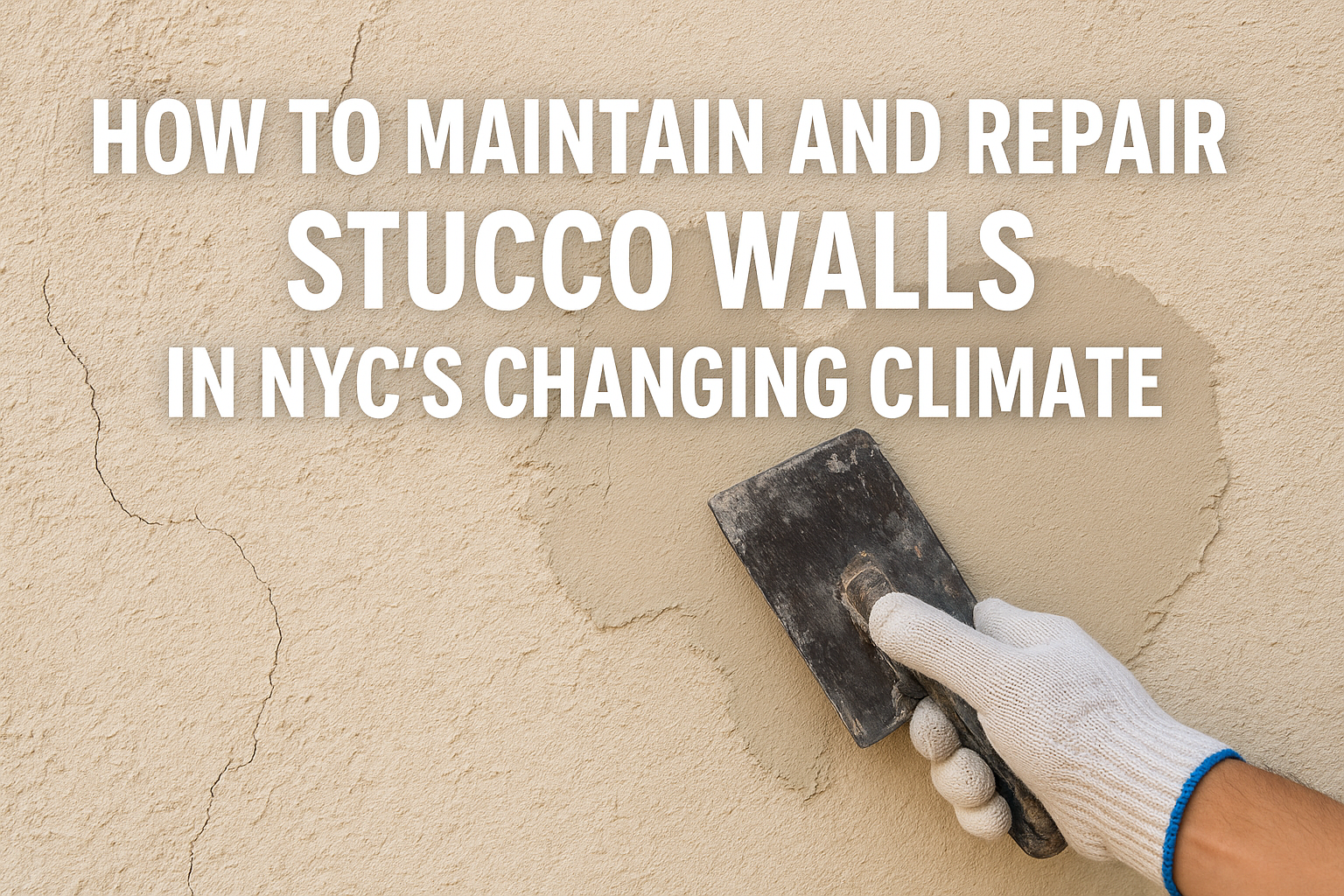
Even the smallest cracks can worsen quickly under NYC’s fluctuating temperatures. For hairline cracks (less than 1/8 inch wide), apply a premixed stucco repair caulk or patching compound.
For larger cracks or areas with bubbling or flaking, it’s best to call a stucco restoration specialist. Professionals can assess whether underlying water damage or structural issues are contributing to the deterioration.
7. Recoat Aging Stucco for Added Strength
Over time, stucco can lose its elasticity and surface protection. Applying a new thin layer of stucco (recoating) can refresh its appearance and add durability.
A professional contractor will match the existing texture and color, ensuring the repair blends seamlessly with the rest of the wall. Recoating also allows for the use of modern, more weather-resistant materials that hold up better in NYC’s conditions.
8. Prevent Damage from Landscaping and Exterior Fixtures
Plants, vines, and sprinkler systems may look charming but can trap moisture against stucco walls, causing long-term damage. Trim back vegetation and redirect sprinklers away from the house.
Avoid drilling or hanging heavy objects directly onto stucco surfaces, as this can create cracks or openings for water to seep in.
Conclusion
Maintaining stucco walls in New York City’s unpredictable climate requires a mix of regular care and timely repairs. By inspecting, sealing, cleaning, and managing moisture effectively, you can extend your stucco’s lifespan and protect your home’s beauty for decades.
Remember, stucco maintenance is not just cosmetic, it’s structural. Preventing moisture damage and addressing small cracks early can save you from expensive repairs in the future.
For complex issues or large-scale repairs, always consult a professional stucco contractor who understands NYC’s environmental challenges and building codes. With consistent upkeep, your stucco home will continue to stand out beautifully, no matter how the city’s weather changes.