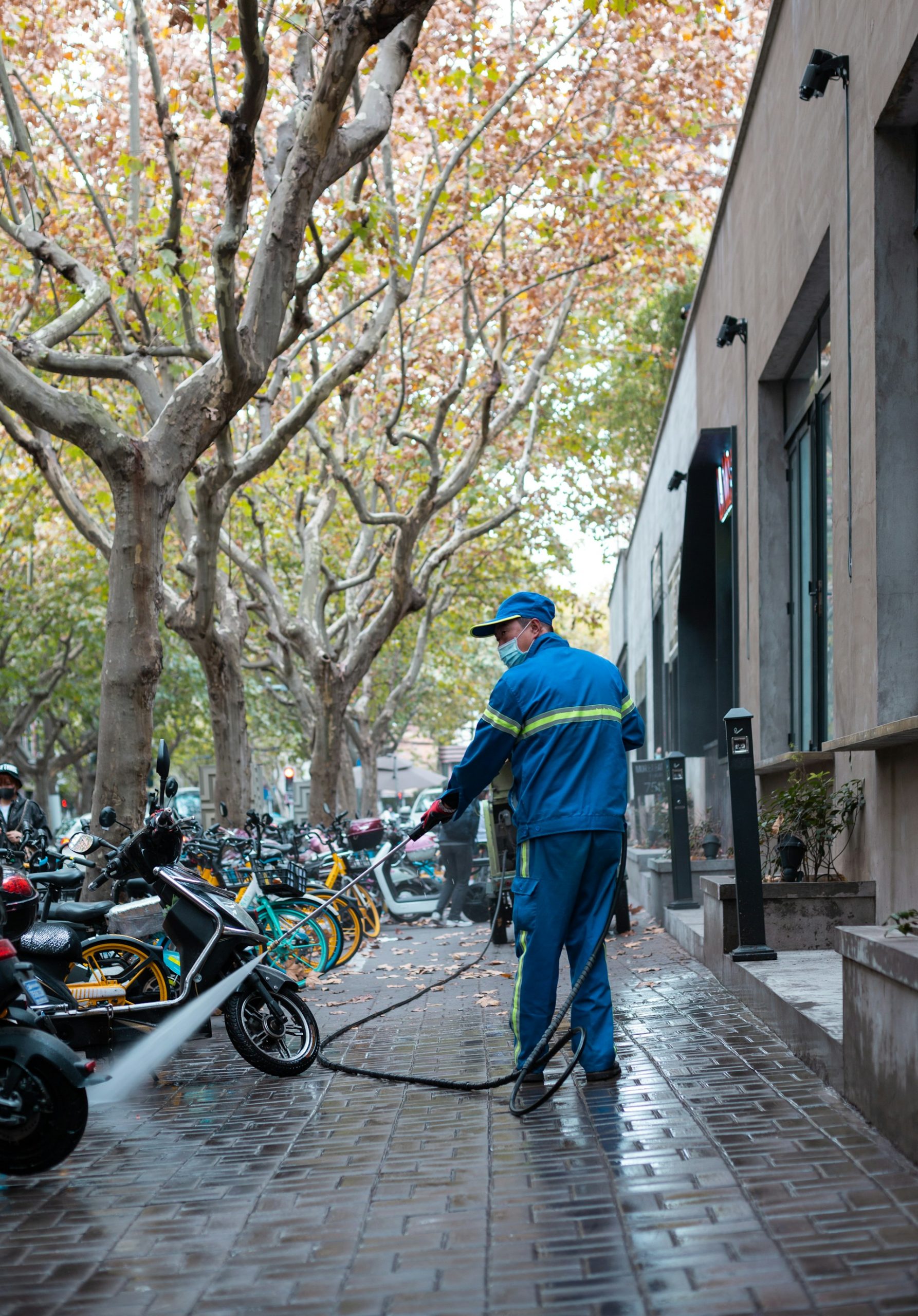
Power washing is one of the most effective ways to refresh your home’s exterior. It can remove years of dirt, stains, and mildew in just a few hours. However, when misused, power washing can cause significant damage to surfaces, compromise structural integrity, or even create costly repairs. Homeowners need to know when this method helps and when it does more harm than good.
When Power Washing Does More Harm Than Good
Power washing is powerful, but not every surface or situation benefits from it. Understanding the risks will help you avoid expensive mistakes and protect your home. Below are key scenarios where power washing may create more harm than good.
1. Delicate Siding Materials
Vinyl, aluminum, and wood siding can crack, warp, or loosen when exposed to high-pressure water. Instead of cleaning, the pressure may force water behind the siding, leading to mold growth or insulation damage. Softer materials require low-pressure washing or alternative cleaning methods to stay intact.
2. Older Brickwork and Mortar
Power washing can erode aging mortar joints and weaken bricks if the pressure is too high. Water can seep into cracks, worsening deterioration during freeze-thaw cycles. For older masonry, gentle cleaning methods are safer to maintain strength while preserving appearance.
3. Roof Shingles and Tiles
Roofs are especially vulnerable to damage from power washing. High pressure strips away protective granules from asphalt shingles, reducing their lifespan. It can also loosen tiles or push water beneath the roofing system, causing leaks and rot. A soft-wash system is the recommended alternative for cleaning roofs.
4. Painted Surfaces
Painted exteriors often peel or chip under direct pressure. Rather than providing a fresh look, power washing can leave unsightly patches that require repainting. Lower-pressure settings or hand cleaning protect painted walls and preserve finishes.
5. Windows and Glass Features
Even though glass seems sturdy, the high force of power washing can crack panes or damage window seals. Once seals are broken, condensation and drafts may form inside the glass. Gentle cleaning tools and mild solutions are better suited for these areas.
6. Wooden Decks and Fencing
Wood is porous and highly sensitive to forceful water pressure. Power washing can splinter the surface, strip protective stains, and accelerate decay. Soft washing or hand-scrubbing preserves the natural look of wood while extending its lifespan.
7. Electrical Components and Vents
Power washing near outdoor electrical panels, light fixtures, or vents is dangerous. Water infiltration can cause short circuits, mold buildup in vents, or corrosion of wiring. These areas should be carefully avoided or cleaned with safe, specialized methods.
8. Weak Concrete or Driveways with Cracks
Concrete may seem strong, but older or cracked concrete can deteriorate faster when blasted with high-pressure water. The force widens cracks and allows water to seep deep inside, leading to bigger structural issues during seasonal temperature changes.
Conclusion
Power washing is a valuable tool, but it requires careful consideration and proper technique. Using it on the wrong surfaces can create more harm than good, leading to costly repairs and reduced property value. By understanding its risks and knowing when to avoid high-pressure cleaning, you can keep your home safe while still enjoying a clean, well-maintained exterior. In many cases, professional help ensures that the right pressure and cleaning method protect your property rather than damage it.