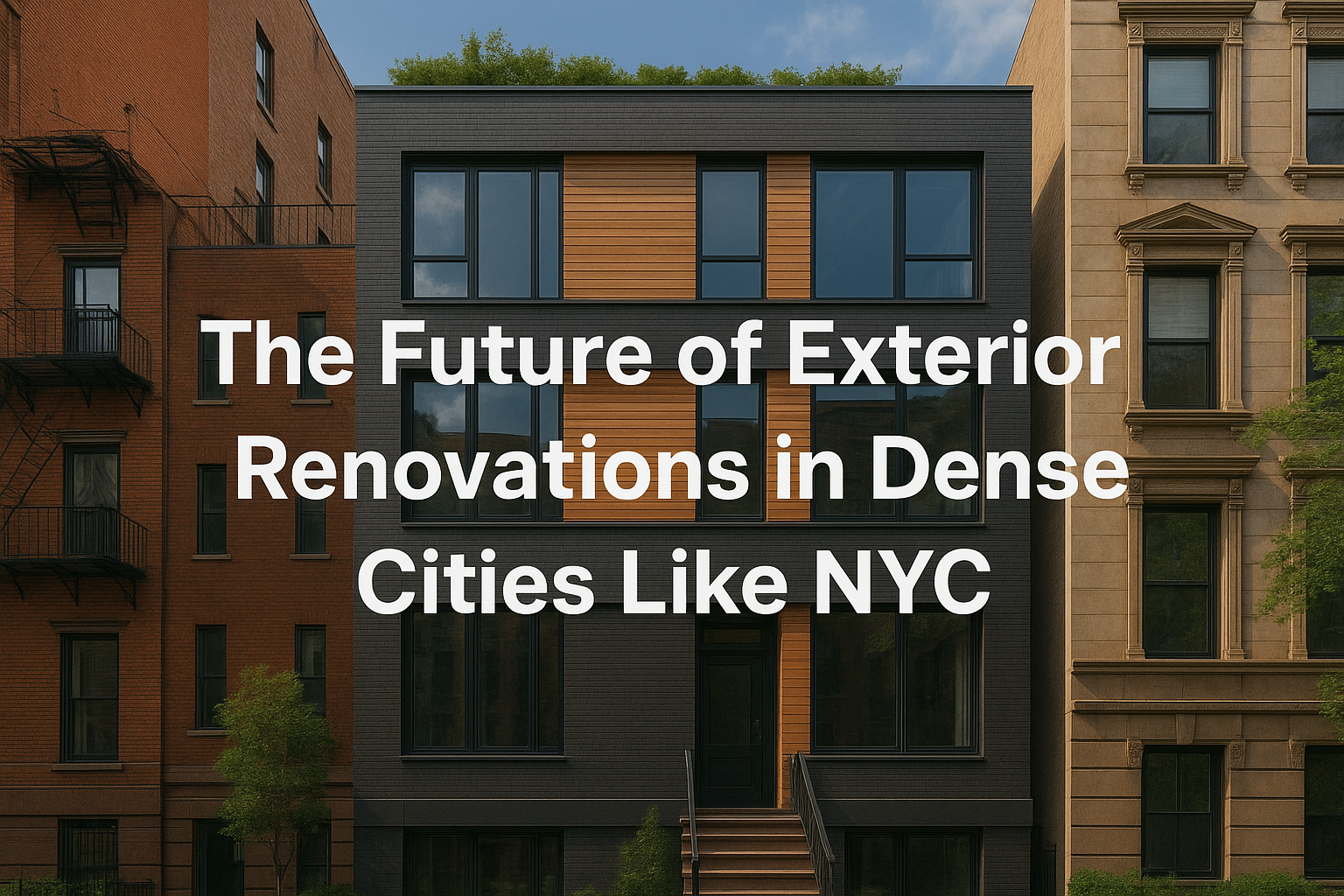
Dense cities like New York keep evolving, and exterior renovations must keep pace. Homeowners, architects, and building managers increasingly choose smart materials, greener technologies, and space saving methods that work well in tight environments. The future of exterior renovations focuses on durability, environmental responsibility, energy performance, and long term urban resilience.
Top Trends Defining the Future of Exterior Renovations in NYC
The future of exterior renovations in NYC is being shaped by an increasing focus on sustainability, resilience against extreme weather, and the seamless integration of smart home technology. As building codes evolve and homeowner preferences shift toward eco-conscious design, expect to see materials and methods that prioritize energy efficiency, noise reduction, and long-term durability, all while enhancing the city’s unique architectural landscape.
1. High Performance Facade Materials Gain Popularity
More NYC buildings now use advanced materials that resist moisture, pollution, and weather damage. These surfaces stay cleaner longer, reduce maintenance costs, and perform better in crowded, high traffic neighborhoods. Lightweight composite panels and durable masonry alternatives help buildings last longer.
2. Green Infrastructure Becomes Standard for Exterior Retrofits
Homeowners and developers increasingly incorporate vegetation into exterior renovations. Living walls, vertical gardens, and planted terraces filter air pollutants, reduce heat, and improve neighborhood aesthetics. These systems work well in dense cities where green space is limited.
3. Energy Efficient Envelope Upgrades Lead Renovation Plans
Future renovations prioritize insulation, air sealing, and weather resistant facades. Improved building envelopes reduce energy waste and keep interiors comfortable year round. NYC’s climate goals drive many owners to invest in sustainable exterior upgrades.
4. Modular Renovation Systems Speed Up Construction
Prefabricated exterior components allow contractors to complete projects faster with less noise and disruption. These systems work especially well in NYC, where limited space and strict work hour rules make traditional construction more challenging.
5. Smart Technology Integrates Into Building Exteriors
Modern exteriors now incorporate sensors that track moisture, air leaks, heat loss, and facade movement. These tools help owners detect issues early and plan timely maintenance. Smart exterior lighting systems also improve safety and reduce energy use.
6. Pollution Resistant Coatings Extend Lifespan of Facades
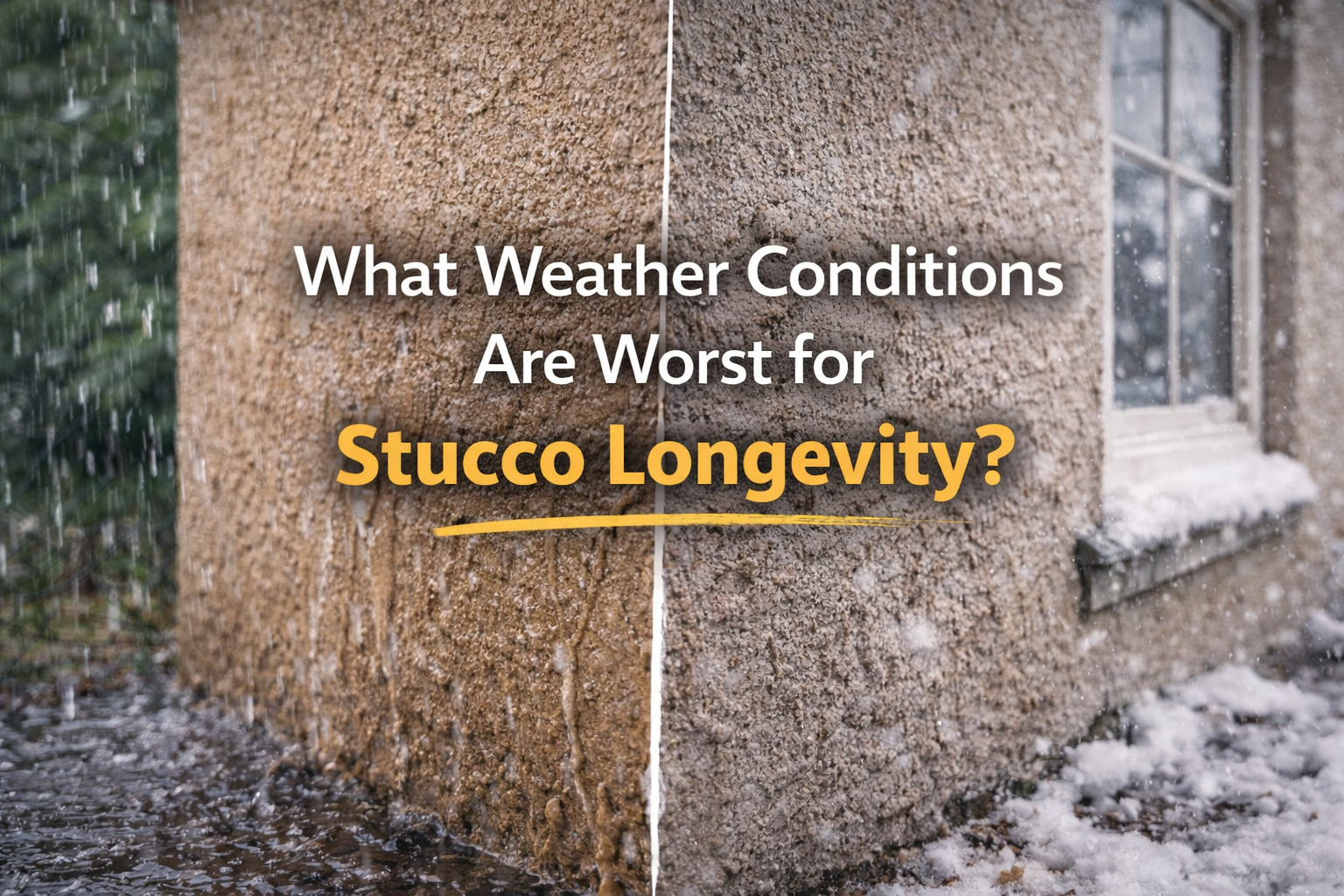
NYC buildings face constant soot, vehicle fumes, and dust. New protective coatings shield materials from pollution buildup and reduce long term cleaning costs. Many coatings are breathable, eco friendly, and safe for historic structures.
7. Noise Reducing Exterior Designs Become More Common
Sound reduction becomes a priority in busy neighborhoods. Renovators install noise absorbing cladding, insulated window systems, and acoustic barriers that help residents enjoy quieter living spaces. These upgrades improve the overall quality of life in dense cities.
8. Climate Resilient Renovations Prepare Buildings for Extreme Weather
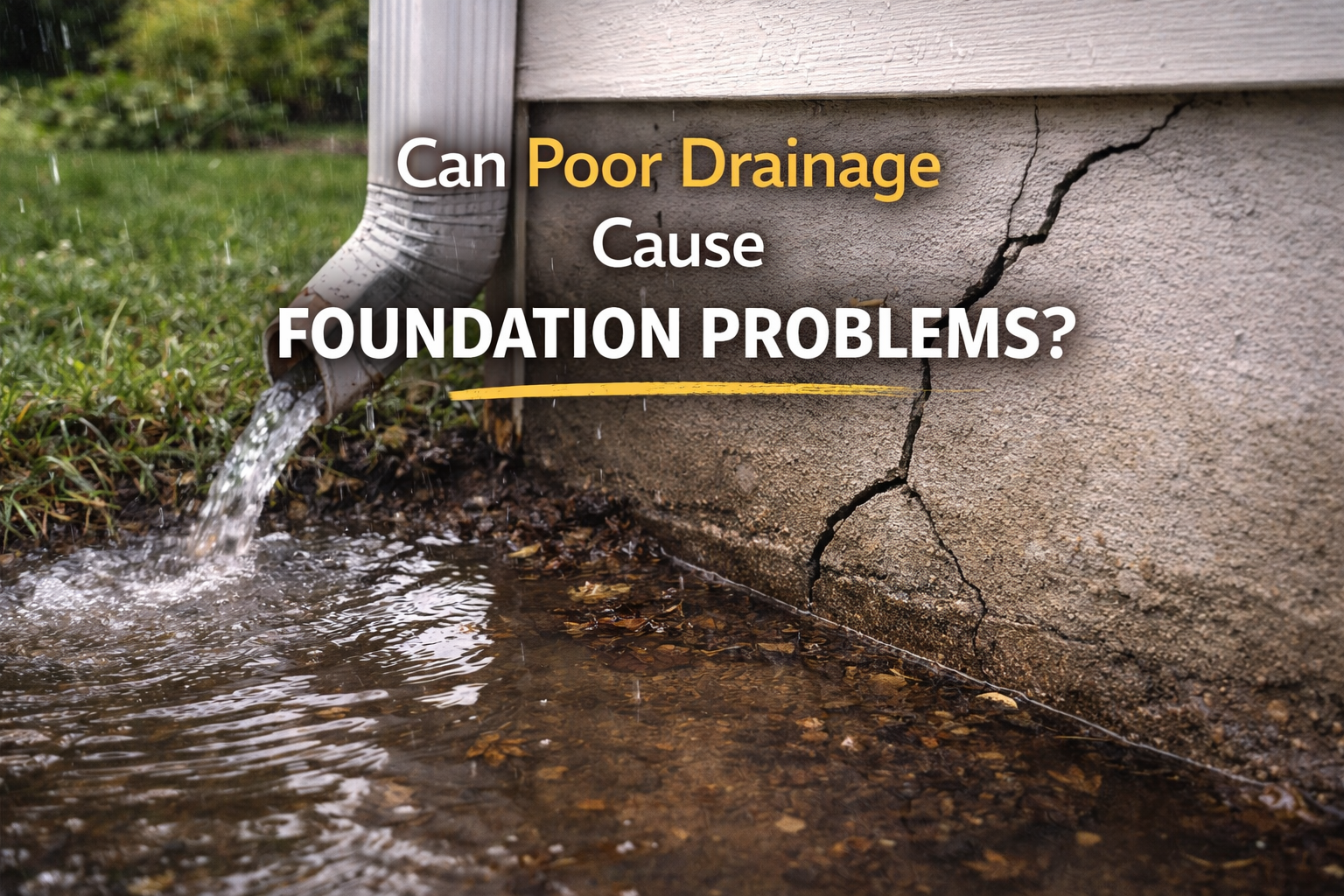
As storms intensify, NYC property owners invest in stronger exteriors. Impact resistant materials, improved drainage, waterproofing systems, and reinforced facades help protect buildings from wind, flooding, and freeze cycles.
9. Adaptive Reuse Shapes Future Architectural Styles
Instead of complete rebuilds, many owners restore and redesign existing exteriors. This approach reduces waste, preserves historic character, and meets sustainability goals. Adaptive reuse also supports creative and culturally meaningful architectural expression.
10. Rooftop and Terrace Expansions Maximize Limited Space
Urban renovations increasingly transform rooftops into functional outdoor spaces. These new exterior areas support gardening, leisure, and energy production through solar panels. They also add value without altering a building’s footprint.
Conclusion
The future of exterior renovations in dense cities like NYC focuses on sustainable materials, smart technology, and strategies that protect buildings from pollution and climate challenges. By prioritizing efficiency, durability, and creativity, homeowners and developers can modernize their properties while supporting a resilient, visually appealing urban environment.